

Hey there! As a supplier of three - phase pad - mounted transformers, I've seen my fair share of these things go through their paces. And let me tell you, analyzing the failure mode of these transformers is super important. It's not just about fixing problems when they pop up; it's about preventing them in the first place.
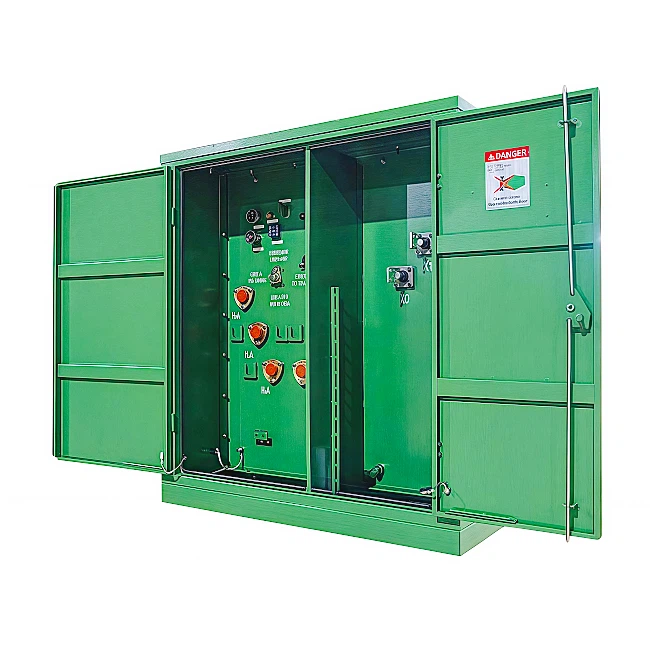
First off, let's talk about what a three - phase pad - mounted transformer is. These bad boys are used to step down high - voltage electricity from the power grid to a level that's safe and usable for homes and businesses. They're usually installed on concrete pads, hence the name "pad - mounted." You can check out more about them here: 3 Phase Pad Mounted Transformer.
Now, when it comes to failure modes, there are a few common ones that we often encounter.
Overheating
One of the most frequent issues is overheating. Transformers generate heat during normal operation, but when they get too hot, it can spell trouble. There are several reasons why a transformer might overheat.
Overloading
If the transformer is asked to handle more power than it's rated for, it's going to heat up. Think of it like asking a small car to tow a big trailer. It just can't handle it. Overloading can happen when there's a sudden increase in demand, like during a heatwave when everyone's running their air conditioners at full blast.
Poor ventilation
Transformers need good ventilation to stay cool. If they're installed in a cramped space or if the ventilation openings are blocked, the heat can't escape. It's like being in a stuffy room with no windows open. You're going to get hot and uncomfortable, and so is the transformer.
Faulty cooling system
Some transformers have cooling systems, like fans or oil - cooling mechanisms. If these systems aren't working properly, the heat won't be dissipated effectively. It's similar to having a broken radiator in your car; the engine is going to overheat.
Insulation Failure
Another critical failure mode is insulation failure. The insulation in a transformer is there to prevent electricity from leaking out and causing short - circuits.
Aging
Over time, the insulation material can break down due to heat, moisture, and electrical stress. It's like the rubber on an old pair of shoes; it gets brittle and starts to crack. Once the insulation is compromised, the transformer is at risk of short - circuits, which can lead to a complete failure.
Moisture ingress
Moisture is the enemy of insulation. If water gets into the transformer, it can degrade the insulation material and reduce its effectiveness. This can happen due to poor sealing or if the transformer is exposed to harsh weather conditions. For example, if there's a heavy rainstorm and water seeps into the transformer enclosure, it can cause problems.
Electrical Faults
Electrical faults can also cause a transformer to fail.
Short - circuits
A short - circuit occurs when there's an unintended connection between two conductors with different electrical potentials. This can happen due to insulation failure, physical damage to the transformer, or a fault in the electrical system. When a short - circuit happens, a large amount of current flows through the transformer, which can damage the windings and other components.
Open - circuits
An open - circuit is the opposite of a short - circuit. It's when there's a break in the electrical path. This can be caused by a broken wire, a loose connection, or a damaged component. When an open - circuit occurs, the transformer can't function properly, and the power supply to the connected loads will be interrupted.
Mechanical Damage
Transformers can also suffer from mechanical damage.
Vibration
Continuous vibration can loosen the internal components of the transformer. This can happen if the transformer is installed near a noisy machine or on an unstable surface. Over time, the loose components can cause electrical problems and even lead to a failure.
Physical impact
Accidental impacts, like a vehicle hitting the transformer or a heavy object falling on it, can cause significant damage. This can damage the enclosure, the windings, or other critical parts of the transformer.
How to Analyze the Failure Mode
So, how do we go about analyzing the failure mode of a three - phase pad - mounted transformer?
Visual Inspection
The first step is a visual inspection. Look for signs of overheating, like discolored paint or melted insulation. Check for any physical damage, such as cracks in the enclosure or bent components. Also, look for signs of moisture, like water stains or rust.
Electrical Testing
Electrical testing is also crucial. Use tools like multimeters and insulation resistance testers to check the electrical properties of the transformer. Measure the resistance of the windings to see if there are any short - circuits or open - circuits. Test the insulation resistance to determine if the insulation is still in good condition.
Thermal Imaging
Thermal imaging cameras can be very useful. They can detect hot spots in the transformer, which can indicate areas of overheating. By using a thermal imaging camera, you can identify potential problems before they lead to a complete failure.
Oil Analysis (if applicable)
For oil - immersed transformers, oil analysis is an important part of the failure analysis. The oil in the transformer can provide valuable information about its condition. Analyze the oil for contaminants, moisture, and dissolved gases. Different gases can indicate different types of problems, such as overheating or arcing.

Prevention is Key
Once you've analyzed the failure mode, the next step is to take preventive measures.
Regular Maintenance
Regular maintenance is essential. This includes cleaning the transformer, checking the ventilation, and tightening the connections. It's like taking your car in for regular tune - ups; it helps keep everything running smoothly.
Proper Installation
Make sure the transformer is installed correctly. Follow the manufacturer's guidelines for installation, including proper ventilation, grounding, and mounting. A well - installed transformer is less likely to experience problems.
Load Monitoring
Monitor the load on the transformer to avoid overloading. Use load monitoring devices to keep track of the power consumption and make adjustments if necessary.
Conclusion
Analyzing the failure mode of three - phase pad - mounted transformers is a complex but necessary task. By understanding the common failure modes and how to analyze them, we can take steps to prevent failures and ensure the reliable operation of these important electrical devices.
If you're in the market for a high - quality three - phase pad - mounted transformer, or if you have any questions about transformer failure analysis, don't hesitate to reach out. We also have some great options like the Pad - mounted Oil - immersed Oltc Distribution Transformer and the Dead Front Pad Mounted Transformer. Let's have a chat about your specific needs and see how we can help you.
References
- "Transformer Engineering: Design, Technology, and Diagnostics" by G. K. Dubey
- "Electrical Power Systems Quality" by Roger C. Dugan, Mark F. McGranaghan, and Surya Santoso