

Hey there! As a supplier of Single Phase Pad Mounted Power Transformers, I often get asked about how to test the insulation resistance of these transformers. It's a crucial step in ensuring the safety and efficiency of the transformer, so I thought I'd share some insights on this topic.
First off, let's understand why testing the insulation resistance is so important. The insulation in a Single Phase Pad Mounted Power Transformer is like a protective shield. It prevents electrical current from leaking out and causing short - circuits, electrical fires, or other hazards. Over time, the insulation can degrade due to factors like heat, moisture, and mechanical stress. By regularly testing the insulation resistance, we can detect early signs of insulation breakdown and take preventive measures.
Pre - test Preparations
Before we start testing, we need to make sure we've got everything ready. First, gather the necessary tools. You'll need an insulation resistance tester, also known as a megger. This device sends a high - voltage, low - current signal through the insulation and measures the resistance. Make sure the megger is in good working condition and is calibrated correctly.
Next, we've got to isolate the transformer. This is super important for safety reasons. Turn off the power supply to the Single Phase Pad Mount Transformer. You can do this by opening the circuit breakers or fuses connected to it. After that, use a voltage tester to double - check that there's no electrical voltage present in the transformer. We don't want any unexpected shocks!
Also, clean the transformer terminals. Dirt, dust, and moisture on the terminals can affect the accuracy of the test results. Use a clean, dry cloth to wipe them down.
Testing the Insulation Resistance
Now, let's get into the actual testing process. There are typically three main tests we'll perform: primary to secondary, primary to ground, and secondary to ground.
Primary to Secondary Test
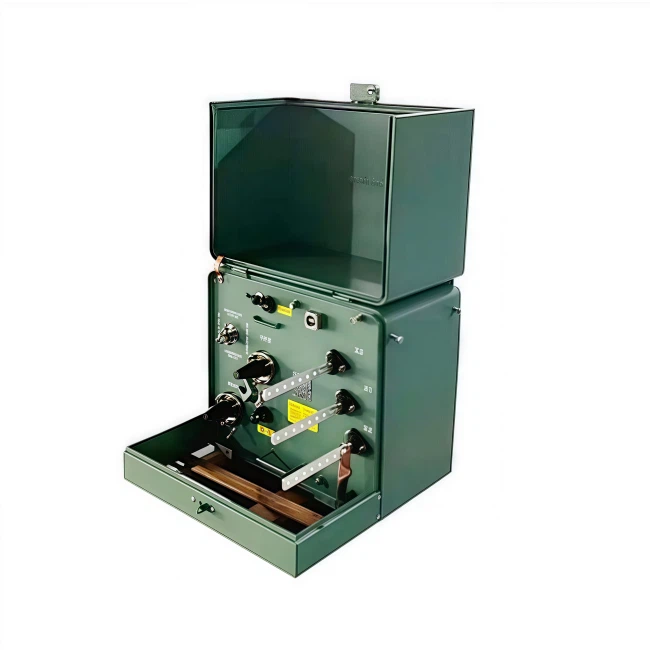
Connect one lead of the megger to the primary winding terminal of the 167 Kva Single Phase Pad Mount Transformer. Connect the other lead to the secondary winding terminal. Once the connections are secure, set the megger to the appropriate voltage range. Usually, for a single - phase transformer, a test voltage of 500V or 1000V is used.
Press the test button on the megger. The device will start sending the test voltage through the insulation between the primary and secondary windings. Wait for a few seconds until the reading stabilizes. The reading you get is the insulation resistance between the primary and secondary windings.
Primary to Ground Test
For this test, connect one lead of the megger to the primary winding terminal and the other lead to a good ground connection. The ground connection should be a reliable earth point, like a grounding rod. Again, set the megger to the appropriate voltage and press the test button. The reading you obtain is the insulation resistance between the primary winding and the ground.
Secondary to Ground Test
Similar to the previous tests, connect one lead of the megger to the secondary winding terminal and the other lead to the ground. Set the voltage, press the test button, and record the insulation resistance reading between the secondary winding and the ground.
Interpreting the Results
So, you've got your test results. Now, how do you know if the insulation is in good condition? Well, there are some general guidelines.
A high insulation resistance value indicates good insulation. For a new Single Phase Pad Mounted Power Transformer, the insulation resistance should be in the range of several megohms. As the transformer ages, the value may decrease, but it should still be above a certain threshold.
If the insulation resistance value is very low, say less than 1 megohm, it could be a sign of insulation damage. This could be due to moisture ingress, overheating, or mechanical damage. In such cases, further investigation is needed. You might want to check for visible signs of damage, like cracks in the insulation or discoloration.

Post - test Procedures
After completing the tests, it's important to discharge the transformer. The test voltage from the megger can charge the windings, and we don't want any stored electrical energy to cause problems. Use a discharge tool to safely discharge the windings.
Once the transformer is discharged, remove the megger leads and restore the power supply. Make sure all the circuit breakers and fuses are properly closed.
Tips for Accurate Testing
Here are some tips to ensure accurate insulation resistance testing. First, test the transformer in a dry environment. Moisture can significantly lower the insulation resistance reading, giving you a false indication of insulation damage.
Also, make sure the transformer has been off for a while before testing. If the transformer has been running recently, it may be hot, and the insulation resistance can be affected by temperature. Let it cool down to ambient temperature for more accurate results.
Another tip is to perform the tests at regular intervals. This helps you track the condition of the insulation over time and detect any trends in insulation degradation.
Conclusion
Testing the insulation resistance of a Single Phase Pad Mounted Power Transformer is a critical task that helps ensure the safety and reliability of the transformer. By following the steps I've outlined above, you can perform accurate tests and make informed decisions about the condition of your transformer.
If you're in the market for a high - quality Single Phase Pad Mounted Power Transformer or need more information about insulation resistance testing, don't hesitate to reach out. We're here to help you with all your transformer needs. Whether you're looking for a Single Phase Pad Mount Transformer, a Single Phase Pad Mounted Power Transformer, or a 167 Kva Single Phase Pad Mount Transformer, we've got you covered. Contact us to start a discussion about your requirements and let's work together to find the best solution for you.
References
- Electrical Power Systems: Design and Analysis by Turan Gonen
- Transformer Engineering: Design, Technology, and Diagnostics by George Karady and James G. McCalley