

Transporting three - phase pad - mounted transformers safely is a critical process that requires meticulous planning, adequate resources, and strict adherence to safety protocols. As a supplier of three - phase pad - mounted transformers, I have witnessed firsthand the challenges and importance of ensuring these valuable assets reach their destination unscathed. In this blog post, I'll share some key considerations and best practices for safe transportation.
Pre - transport Preparations
Inspection and Assessment
Before any transportation takes place, a thorough inspection of the three - phase pad - mounted transformer is essential. Check for any visible signs of damage, loose components, or leaks. Ensure that all electrical connections are secure and that the transformer's oil level is within the recommended range. A detailed inspection not only helps in identifying potential issues but also serves as a baseline for any post - transport inspections.
Documentation
Gather all the necessary documentation related to the transformer. This includes technical specifications, operating manuals, warranty information, and any special handling instructions. In addition, obtain any required permits or authorizations for transporting the transformer, especially if it is over - sized or involves crossing state or international borders.
Packaging
Proper packaging is crucial to protect the transformer during transit. Use high - quality padding materials, such as foam or rubber, to absorb shocks and vibrations. Secure the transformer within its packaging using straps or braces to prevent movement. For larger transformers, consider using custom - made crates or containers that are specifically designed to provide maximum protection.
Choosing the Right Transportation Method
Ground Transportation
Ground transportation is one of the most common methods for moving three - phase pad - mounted transformers. Trucks are a popular choice due to their flexibility and ability to access various locations. When selecting a truck, ensure that it has the appropriate weight - carrying capacity and suspension system to handle the transformer's size and weight. Additionally, the truck should be equipped with safety features such as air brakes and anti - lock braking systems.
For longer distances or when transporting multiple transformers, flatbed trucks or low - boy trailers may be more suitable. These types of vehicles provide a stable platform for the transformer and allow for easy loading and unloading. However, it's important to note that ground transportation may be subject to traffic delays, road conditions, and weight restrictions.
Rail Transportation
Rail transportation can be a cost - effective and efficient option for transporting large three - phase pad - mounted transformers over long distances. Trains have a higher weight - carrying capacity than trucks and can cover large distances without the need for frequent stops. However, rail transportation may require additional handling at the loading and unloading points, and there may be limitations on the size and shape of the transformers that can be transported.
When using rail transportation, work closely with the railway company to ensure that the transformer is properly loaded and secured on the train. The railway company can also provide guidance on any special requirements or procedures for transporting electrical equipment.
Maritime Transportation
If the transformer needs to be transported overseas, maritime transportation may be the only option. Shipping the transformer by sea requires careful planning and coordination. Select a reputable shipping company that has experience in transporting heavy and oversized cargo. Ensure that the transformer is properly packaged and secured on the ship to prevent damage during transit.
Maritime transportation also involves additional considerations such as custom clearance, port handling charges, and insurance. Work with a freight forwarder or customs broker to navigate these processes and ensure a smooth and hassle - free transportation experience.
Loading and Unloading
Loading
Loading the three - phase pad - mounted transformer onto the transportation vehicle should be done with extreme caution. Use appropriate lifting equipment, such as cranes or forklifts, that are rated to handle the transformer's weight. Ensure that the lifting points on the transformer are clearly marked and that the lifting equipment is properly attached.
During the loading process, maintain a stable and level platform for the transformer. Use wedges or shims to prevent the transformer from shifting or tipping. Once the transformer is loaded, secure it in place using straps, chains, or other appropriate restraints.
Unloading
Unloading the transformer at its destination is just as important as loading. Follow the same safety procedures and use the appropriate lifting equipment. Ensure that the unloading area is clear of any obstacles and that the ground is stable and level.
If the transformer needs to be moved to its final location on - site, use a suitable material handling equipment such as a flatbed cart or a skid - steer loader. Make sure to follow the manufacturer's instructions for moving the transformer to avoid any damage.
Monitoring and Safety During Transit
Monitoring
Install monitoring devices on the transformer or the transportation vehicle to track its condition during transit. These devices can measure factors such as temperature, vibration, and shock. Real - time monitoring allows you to detect any potential issues early and take corrective actions if necessary.
Safety
Safety is of utmost importance during the transportation of three - phase pad - mounted transformers. Ensure that all transportation personnel are properly trained in handling electrical equipment and are aware of the safety protocols. Provide them with the necessary personal protective equipment (PPE), such as hard hats, safety glasses, and gloves.
In addition, follow all traffic laws and regulations during transportation. Avoid over - speeding, sudden stops, and sharp turns, as these can cause damage to the transformer.
Conclusion
Transporting three - phase pad - mounted transformers safely requires a combination of careful planning, proper equipment, and strict safety protocols. By following the guidelines outlined in this blog post, you can minimize the risk of damage to the transformer and ensure its safe arrival at the destination.

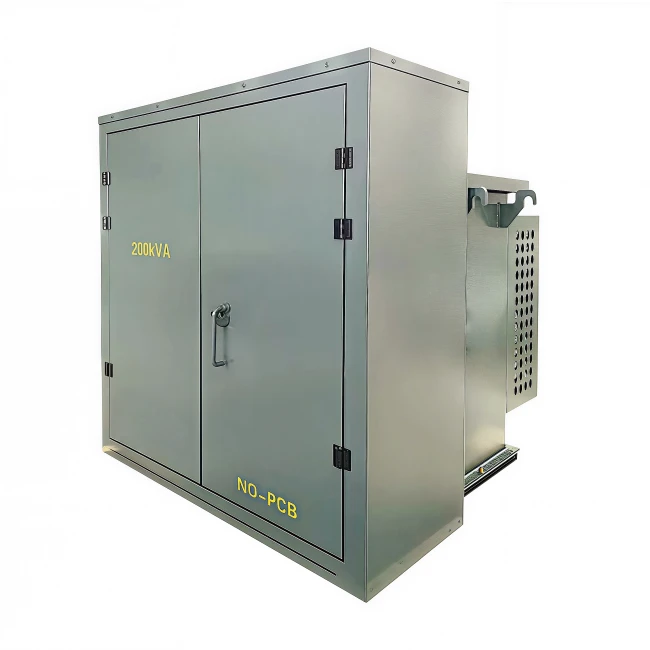
If you are in the market for high - quality three - phase pad - mounted transformers, we offer a wide range of products to meet your needs. Explore our Ring Main Three Phase Pad Mounted Transformer, Dead Front Pad Mounted Transformer, and 1500 Kva 11kv 22kv 33kv Pad Mount Transformer options. Contact us to discuss your specific requirements and start the procurement process.
References
- Electrical Safety Standards for Transformers and Related Equipment
- Transportation Regulations for Oversized and Heavy Cargo
- Manufacturer's Manuals for Three - Phase Pad - Mounted Transformers