

As a supplier of Single Phase Pad Mounted Power Transformers, I am often asked about the energy-saving features of these essential electrical devices. In this blog post, I will delve into the various aspects that make single phase pad mounted power transformers energy-efficient, highlighting their importance in today's energy-conscious world.
Core Design and Material
The core of a transformer is a crucial component that significantly impacts its energy efficiency. Single phase pad mounted power transformers typically use high-quality grain-oriented electrical steel for their cores. This material has low hysteresis and eddy current losses, which are two major sources of energy wastage in transformers.
Hysteresis loss occurs when the magnetic field in the core is reversed during each cycle of the alternating current. Grain-oriented electrical steel has a highly ordered crystal structure that reduces the energy required to reverse the magnetic field, thus minimizing hysteresis loss. Eddy current loss, on the other hand, is caused by the circulation of induced currents within the core. To reduce eddy current loss, the core is constructed using thin laminations of electrical steel, which are insulated from each other. This increases the electrical resistance of the core and limits the flow of eddy currents.
Low Loss Windings
The windings of a single phase pad mounted power transformer are another important factor in its energy efficiency. High-quality copper or aluminum conductors are used for the windings, as these materials have low electrical resistance. Low resistance windings reduce the amount of power lost as heat during the transmission of electrical energy, resulting in higher energy efficiency.
In addition to using low-resistance conductors, the windings are also designed to minimize leakage inductance. Leakage inductance occurs when some of the magnetic flux produced by the primary winding does not link with the secondary winding, resulting in energy loss. By carefully designing the winding configuration and using appropriate insulation materials, the leakage inductance can be reduced, further improving the energy efficiency of the transformer.
Energy-Efficient Cooling Systems
Efficient cooling is essential for maintaining the performance and energy efficiency of single phase pad mounted power transformers. These transformers are typically equipped with natural air cooling or forced air cooling systems. Natural air cooling relies on the natural convection of air to dissipate heat from the transformer, while forced air cooling uses fans to circulate air over the transformer's surface.
Forced air cooling systems are more effective at removing heat from the transformer, especially in high-temperature environments or when the transformer is operating at high loads. By keeping the transformer cool, the cooling system helps to reduce the resistance of the windings and the core, which in turn reduces energy losses. Some single phase pad mounted power transformers also use oil cooling systems, which are even more efficient at dissipating heat. Oil cooling systems use a dielectric oil to transfer heat from the transformer to an external radiator, where it is dissipated into the atmosphere.
Load Management and Optimization
Single phase pad mounted power transformers are designed to operate efficiently over a wide range of loads. However, to achieve maximum energy efficiency, it is important to properly manage and optimize the load on the transformer. This can be done by using load monitoring devices to track the electrical load on the transformer and adjusting the load as needed.
For example, if the load on the transformer is consistently low, it may be possible to reduce the size of the transformer or switch to a more energy-efficient model. On the other hand, if the load on the transformer is approaching its maximum capacity, it may be necessary to add additional transformers or upgrade the existing transformer to handle the increased load. By optimizing the load on the transformer, energy losses can be minimized, resulting in significant energy savings over time.
Advanced Control and Monitoring Systems
Many modern single phase pad mounted power transformers are equipped with advanced control and monitoring systems that help to improve their energy efficiency. These systems use sensors and intelligent algorithms to monitor the performance of the transformer in real-time and adjust its operation as needed.
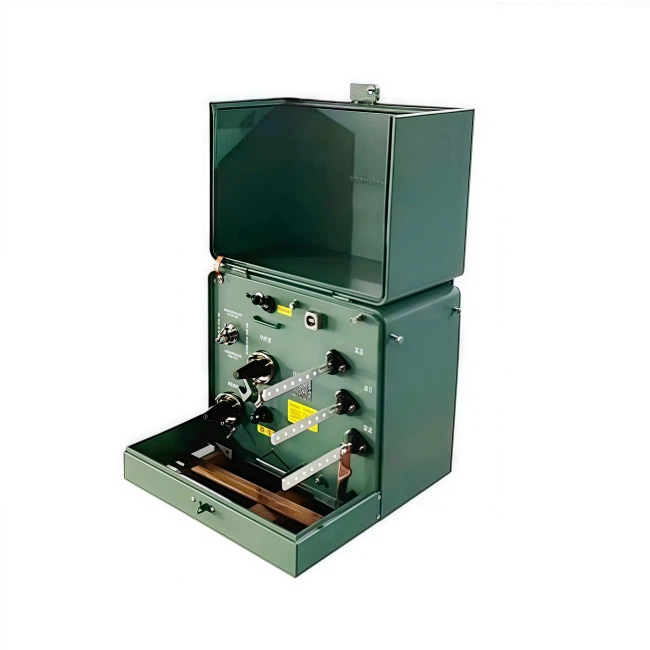
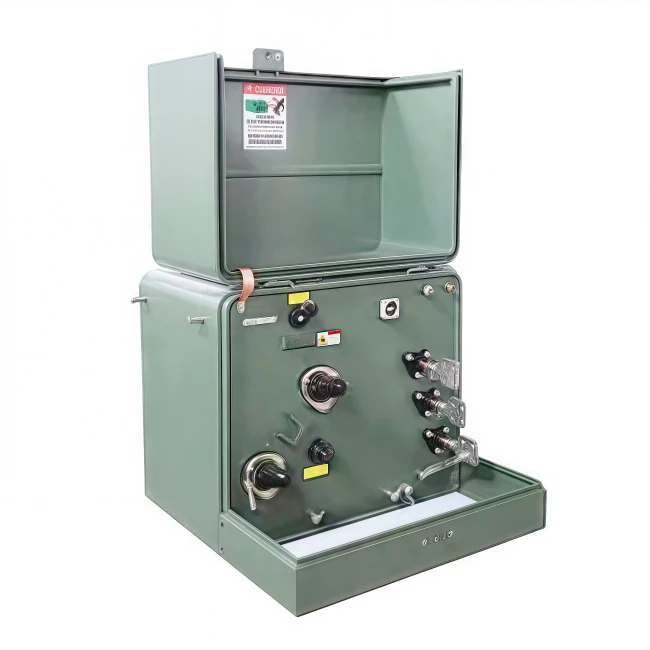
For example, some control and monitoring systems can automatically adjust the voltage and current output of the transformer based on the load demand, ensuring that the transformer is operating at its most efficient point. Other systems can detect and diagnose potential problems with the transformer, such as overheating or insulation breakdown, and alert the operator before a serious failure occurs. By using advanced control and monitoring systems, the energy efficiency of single phase pad mounted power transformers can be further improved, while also reducing the risk of downtime and costly repairs.
Environmental Benefits
In addition to their energy-saving features, single phase pad mounted power transformers also offer several environmental benefits. By reducing energy losses, these transformers help to conserve natural resources and reduce greenhouse gas emissions. This is particularly important in today's world, where there is a growing concern about climate change and the need to transition to a more sustainable energy future.
Furthermore, single phase pad mounted power transformers are designed to be environmentally friendly. They use non-toxic and biodegradable insulating materials, and their construction is designed to minimize the impact on the environment. For example, many transformers are designed to be easily recyclable at the end of their useful life, reducing the amount of waste that is sent to landfills.
Conclusion
Single phase pad mounted power transformers are essential electrical devices that play a crucial role in the distribution of electrical energy. By incorporating energy-saving features such as high-quality core materials, low loss windings, efficient cooling systems, load management and optimization, advanced control and monitoring systems, these transformers can significantly reduce energy losses and improve energy efficiency.
As a supplier of Single Phase Pad Mounted Power Transformers, I am committed to providing our customers with high-quality, energy-efficient products that meet their specific needs. If you are interested in learning more about our single phase pad mounted power transformers or would like to discuss your energy-saving requirements, please visit our website to explore our range of Single Phase Pad Mounted Distribution Transformers, H Class Insulation Single Phase Pad Transformer, and 167 Kva Single Phase Pad Mount Transformer. We look forward to the opportunity to work with you and help you achieve your energy-saving goals.
References
- IEEE Standard C57.12.28-2012, "Standard for Pad-Mounted, Compartmental-Type, Self-Cooled, Single-Phase Distribution Transformers, 25 to 1000 kVA, 60 Hz, with High-Voltage Bushings and Low-Voltage Terminals"
- IEC 60076-11:2019, "Power transformers - Part 11: Dry-type transformers"
- National Electrical Manufacturers Association (NEMA), "Transformers, Voltage Regulators, and Reactors"