

As a supplier of Pole Mounted Distribution Transformers, ensuring the proper insulation of these transformers is of utmost importance. Insulation plays a critical role in the safe and efficient operation of pole-mounted distribution transformers. Faulty insulation can lead to various issues such as short circuits, electrical breakdowns, and even pose a significant safety hazard. In this blog, I will discuss several methods to test the insulation of a pole-mounted distribution transformer.
Visual Inspection
The first step in assessing the insulation of a pole-mounted distribution transformer is a visual inspection. This may seem like a basic method, but it can provide valuable initial insights. When conducting a visual inspection, check for any signs of physical damage to the transformer's insulation. Look for cracks, burns, or discoloration on the insulation materials. These could be indicators of overheating or other electrical problems.
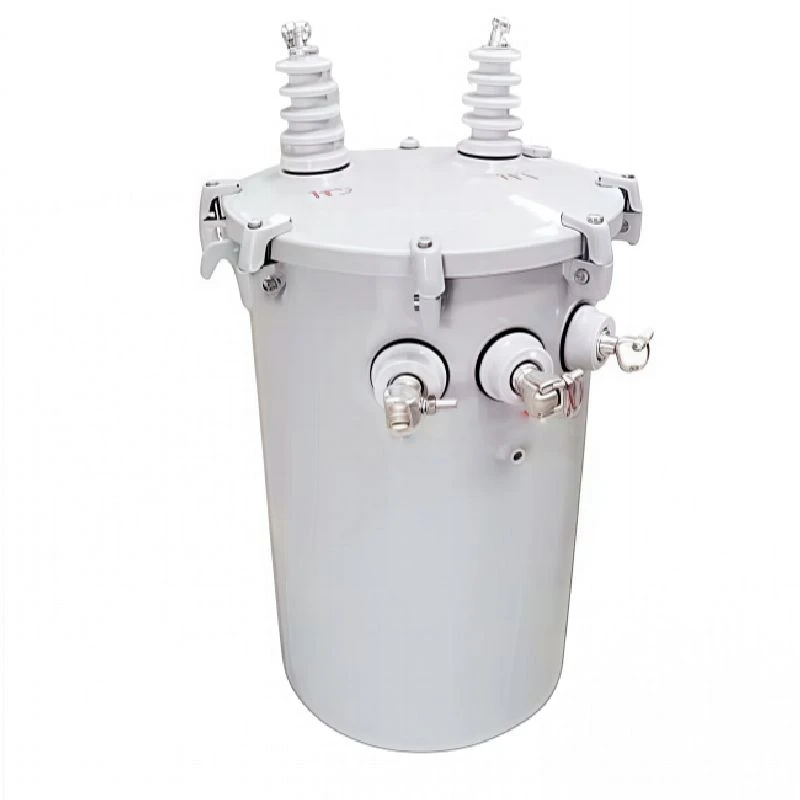
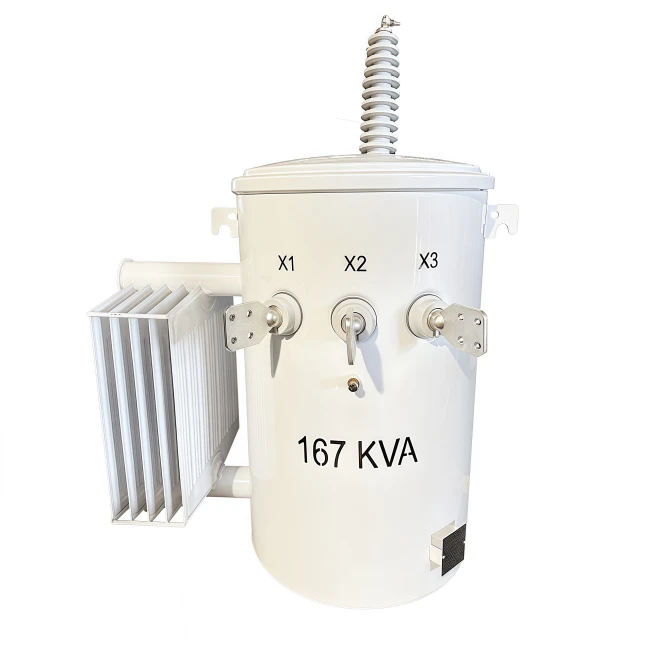
Inspect the bushings, which are crucial components for the insulation of the transformer. The bushings should be clean and free from any signs of leakage or damage. Any oil leakage around the bushings can be a sign of insulation failure. Also, examine the gaskets and seals for any signs of wear or deterioration. A damaged gasket can allow moisture to enter the transformer, which can severely compromise the insulation.
Insulation Resistance Testing
Insulation resistance testing is one of the most common methods used to test the insulation of a pole-mounted distribution transformer. This test measures the resistance of the insulation between the windings and the ground or between different windings. A high insulation resistance value indicates good insulation, while a low value may suggest insulation degradation.
To perform an insulation resistance test, you will need an insulation resistance tester, also known as a megger. First, make sure the transformer is de-energized and all the connections are properly disconnected. Connect the megger leads to the appropriate terminals of the transformer. For example, to measure the insulation resistance between the primary winding and the ground, connect one lead to the primary terminal and the other to the transformer's ground connection.
Apply a test voltage using the megger for a specific period, usually one minute. The test voltage should be in accordance with the manufacturer's recommendations. Record the insulation resistance value. Compare this value with the acceptable range provided by the manufacturer. If the measured value is significantly lower than the recommended range, it may indicate insulation problems such as moisture ingress, contamination, or aging of the insulation materials.
Polarization Index (PI) Testing
Polarization Index testing is an extension of the insulation resistance test. It provides more information about the condition of the insulation by measuring the ratio of the insulation resistance at 10 minutes to the insulation resistance at 1 minute. The polarization index is a useful indicator of the dryness and integrity of the insulation.
To perform a PI test, follow the same procedure as for the insulation resistance test. Measure the insulation resistance at 1 minute and then again at 10 minutes. Calculate the polarization index by dividing the 10 - minute insulation resistance value by the 1 - minute value. A PI value greater than 2 is generally considered good, indicating dry and healthy insulation. A value between 1 and 2 may suggest some moisture or contamination in the insulation, while a value less than 1 is a strong indication of significant insulation problems.
Dielectric Dissipation Factor (DDF) Testing
Dielectric Dissipation Factor testing, also known as power factor testing, is another important method for testing the insulation of a pole-mounted distribution transformer. This test measures the amount of electrical energy that is dissipated as heat in the insulation when an alternating voltage is applied. A high dielectric dissipation factor value indicates that more energy is being dissipated, which can be a sign of insulation deterioration.
To conduct a DDF test, a specialized test set is required. The test set applies a sinusoidal voltage to the transformer's insulation and measures the phase angle between the applied voltage and the resulting current. From this measurement, the dielectric dissipation factor can be calculated.
The test is usually performed at a specific test voltage and frequency. The results are compared with the manufacturer's specifications or industry standards. An increasing dielectric dissipation factor over time can be an early warning sign of insulation aging or damage.
Frequency - Domain Spectroscopy (FDS)
Frequency - Domain Spectroscopy is a relatively new and advanced method for testing the insulation of pole-mounted distribution transformers. This technique measures the dielectric response of the insulation over a wide range of frequencies. By analyzing the dielectric response at different frequencies, it is possible to obtain detailed information about the condition of the insulation, including the presence of moisture, aging, and contamination.
FDS testing involves applying a low - voltage, swept - frequency signal to the transformer's insulation and measuring the resulting current. The data is then analyzed using specialized software to generate a dielectric response curve. This curve can be compared with reference curves for healthy insulation to identify any deviations, which can indicate insulation problems.
One of the advantages of FDS is its ability to detect insulation problems at an early stage, even before they become apparent using traditional testing methods. However, FDS testing requires specialized equipment and expertise, which can make it more expensive and complex compared to other methods.
Oil Testing
For oil - filled pole - mounted distribution transformers, oil testing is an essential part of the insulation testing process. The oil in the transformer serves several functions, including insulation, cooling, and arc quenching. Over time, the oil can degrade due to oxidation, contamination, and the presence of moisture, which can affect its insulating properties.
There are several types of oil tests that can be performed. One of the most common tests is the breakdown voltage test. This test measures the maximum voltage that the oil can withstand before it breaks down and conducts electricity. A low breakdown voltage indicates that the oil has been contaminated or degraded and may need to be replaced.
Another important test is the moisture content test. Moisture in the oil can significantly reduce its insulating properties and increase the risk of electrical breakdown. The moisture content in the oil can be measured using a moisture meter.
Chemical analysis of the oil can also provide valuable information about its condition. This includes testing for the presence of acids, dissolved gases, and other contaminants. An increase in the levels of certain dissolved gases, such as hydrogen, methane, and ethylene, can indicate overheating or arcing inside the transformer.
In conclusion, testing the insulation of a pole - mounted distribution transformer is a crucial part of ensuring its safe and reliable operation. By using a combination of these testing methods, you can accurately assess the condition of the insulation and take appropriate measures to prevent failures. As a supplier of Single Phase Pole Mounted Transformer, Pole Mounted Distribution Transformer, and 11kv Pole Mounted Transformer, we are committed to providing high - quality transformers and can offer professional advice on insulation testing and maintenance. If you are interested in purchasing our pole - mounted distribution transformers or have any questions about insulation testing, please feel free to contact us for a procurement discussion.
References
- "Transformer Insulation Testing Handbook", IEEE Press
- "Electrical Insulation for Rotating Machines", McGraw - Hill
- "Power Transformer Engineering: Design and Application", CRC Press