

Determining When to Replace Oil in Three - Phase Oil Immersed Power Transformers
As a supplier of Three Phase Oil Immersed Power Transformers, understanding the replacement criteria for the oil in these transformers is crucial. The oil in a three - phase oil immersed power transformer serves multiple important functions. It acts as an insulating medium, preventing electrical breakdown between different parts of the transformer, and also as a coolant to dissipate the heat generated during the transformer's operation. However, over time, the oil can degrade, and when this happens, it must be replaced to ensure the safe and efficient operation of the transformer.
Chemical Composition Changes
The chemical composition of the oil is a primary factor in determining if replacement is necessary. One of the most significant chemical changes is the oxidation of the oil. Oxidation occurs when the oil reacts with oxygen in the presence of heat and metal catalysts. Oxidized oil forms sludge and acids. As we know, the formation of sludge can block the cooling passages in the transformer, reducing its cooling efficiency and potentially leading to overheating. The acids produced by oxidation can corrode the internal components of the transformer, such as the windings and the core, which can significantly shorten the lifespan of the transformer.
For instance, if the acid number of the oil exceeds 0.1 mg KOH/g, it is often a sign that the oil has undergone excessive oxidation and may need to be replaced. Regular chemical analysis of the oil can detect these changes early on. Many laboratories offer services to analyze the chemical properties of the transformer oil, including acid number, moisture content, and dissolved gas analysis. Our company has long - standing partnerships with some of the most reputable laboratories to provide accurate and timely analysis for our customers' transformers.
Moisture Content
Moisture is another critical factor. Water can enter the transformer oil through various means, such as from the atmosphere during maintenance or due to a leak in the transformer tank. Even a small amount of moisture can significantly reduce the dielectric strength of the oil. The dielectric strength of oil is its ability to resist electrical breakdown. When the moisture content is high, there is an increased risk of electrical arcing within the transformer, which can cause severe damage.
The acceptable moisture content in transformer oil typically depends on the voltage level of the transformer. For a three - phase oil immersed power transformer, if the moisture content exceeds 20 ppm (parts per million), it is generally recommended to take corrective action. This may involve either drying the oil on - site using specialized equipment or replacing the oil altogether. Our High Performance Oil Sealed Transformer is designed with advanced sealing mechanisms to minimize the ingress of moisture, but regular checks are still necessary to ensure optimal performance.
Electrical Properties
The electrical properties of the oil, such as dielectric strength and dissipation factor, are also key indicators. The dielectric strength is measured by applying a high voltage across a sample of the oil and determining the voltage at which electrical breakdown occurs. A low dielectric strength indicates that the oil's insulating properties have deteriorated, and it may not be able to prevent electrical arcing between the transformer's windings or other components.
The dissipation factor, also known as the power factor, measures the amount of electrical energy that is dissipated as heat within the oil. An increase in the dissipation factor can be a sign of contamination, oxidation, or moisture in the oil. If the dielectric strength drops below the specified minimum value (usually around 30 kV for a standard test gap) or the dissipation factor exceeds 0.5% at 90°C, replacement of the oil should be considered.
Dissolved Gas Analysis (DGA)
Dissolved gas analysis is a powerful tool for assessing the condition of the transformer oil. Different types of faults within the transformer can produce specific gases in the oil. For example, overheating of the windings can cause the decomposition of the oil, resulting in the production of gases such as methane, ethane, and ethylene. Electrical arcing can generate hydrogen and acetylene.
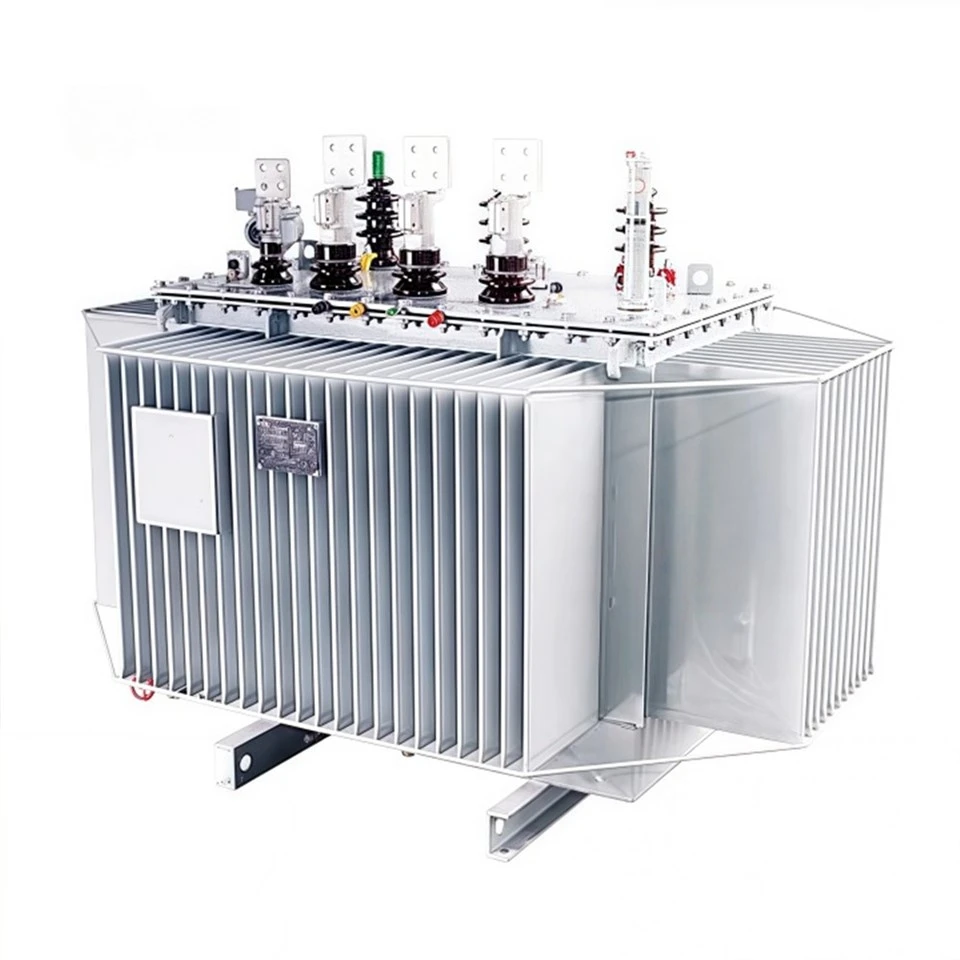

By analyzing the concentration and ratio of these dissolved gases, it is possible to diagnose the type and severity of the fault. If the levels of certain gases exceed the normal operating limits or if there is a sudden increase in gas production, it may indicate a developing problem in the transformer. When DGA shows abnormal gas patterns in combination with other signs of oil degradation, such as poor electrical properties or high acid numbers, it often warrants the replacement of the oil.
Mechanical and Physical Changes
The physical appearance of the oil can sometimes provide clues about its condition. If the oil has become cloudy or discolored, it may be a sign of contamination. Cloudy oil can be caused by the presence of moisture or fine particles in suspension. Dark - colored or blackened oil may indicate severe oxidation or the presence of decomposition products.
In addition, the oil level in the transformer tank should be regularly monitored. A significant drop in the oil level may suggest a leak in the tank, which needs to be repaired immediately. If the oil level is too low, it can expose the windings and other components to air, increasing the risk of oxidation and electrical breakdown.
Effects of Aging and Operating Conditions
The aging of the transformer and its operating conditions also influence the oil replacement criteria. A transformer that has been in service for a long time is more likely to have degraded oil compared to a new one. Similarly, transformers operating in harsh environments, such as high - temperature or high - humidity areas, may experience more rapid oil degradation.
For older transformers, even if the oil meets all the current chemical and electrical standards, it may still be beneficial to replace the oil as a preventive measure. This can help extend the lifespan of the transformer and reduce the risk of unexpected failures.
Why Choose Our Three - Phase Oil Immersed Power Transformers
At our company, we are committed to providing high - quality Three Phase Oil Immersed Power Transformers. Our products are designed to meet the most stringent industry standards and are built using advanced technologies. We understand the importance of proper oil management in the operation of transformers, and we offer comprehensive technical support to our customers.
Whether you are looking for a reliable solution for a new project or need to replace an existing transformer, our 11kv Distribution Transformer is a great option. It is suitable for a wide range of applications and is known for its stability and durability.
Contact Us for Procurement and Consultation
If you are interested in our products or need more information about the oil replacement criteria for three - phase oil immersed power transformers, we encourage you to contact us for procurement and consultation. Our team of experts is ready to assist you in making the right decision for your specific needs.
References
- Electrical Power Transformer Engineering, Third Edition, by Turan Gonen
- Transformer Oil: Properties, Testing and Maintenance, by International Electrotechnical Commission (IEC) standards
- Handbook of Transformer Technology: Design and Application, by George W. T. Arkkio