

As a seasoned provider of Single Phase Pad Mount Transformer, I've witnessed firsthand the critical role ventilation plays in the longevity and efficiency of these essential electrical components. In this blog post, I'll delve into the ventilation requirements for a single-phase pad mount transformer room, sharing insights based on industry standards and best practices.
The Importance of Ventilation
Single-phase pad mount transformers generate heat during normal operation. This heat is a byproduct of the electrical losses that occur within the transformer, including core losses and copper losses. If this heat is not properly dissipated, it can lead to a significant increase in the transformer's temperature, which can have several detrimental effects.
Firstly, high temperatures can accelerate the aging process of the transformer's insulation materials. Insulation is crucial for preventing electrical short circuits and ensuring the safe and reliable operation of the transformer. As the insulation ages, its dielectric strength decreases, increasing the risk of insulation failure and potential electrical hazards.

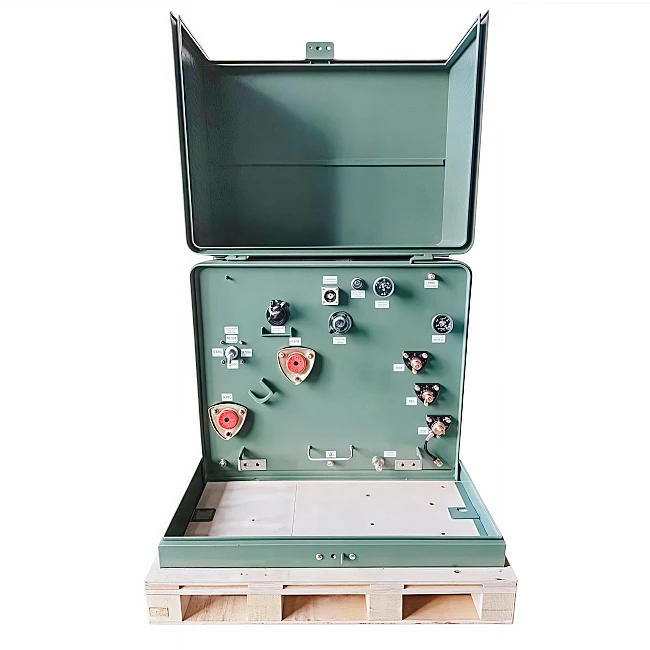
Secondly, excessive heat can reduce the efficiency of the transformer. As the temperature rises, the resistance of the transformer's windings increases, which in turn increases the power losses and reduces the overall efficiency of the transformer. This not only results in higher energy consumption but also increases the operating costs.
Proper ventilation is therefore essential for maintaining the temperature of the transformer within acceptable limits. By removing the heat generated during operation, ventilation helps to extend the lifespan of the transformer, improve its efficiency, and ensure its safe and reliable operation.
Ventilation Requirements
The ventilation requirements for a single-phase pad mount transformer room depend on several factors, including the size and rating of the transformer, the ambient temperature, and the location of the transformer room.
Transformer Size and Rating
The size and rating of the transformer are the primary factors that determine the amount of heat generated during operation. Larger and higher-rated transformers typically generate more heat and therefore require more ventilation.
The heat dissipation capacity of a transformer is usually expressed in kilowatts (kW). To determine the ventilation requirements, it is necessary to calculate the heat load of the transformer room, which is the total amount of heat generated by the transformer and any other equipment in the room.
The heat load can be calculated using the following formula:
Heat Load (kW) = Transformer Losses (kW) + Other Equipment Losses (kW)
Transformer losses include core losses and copper losses, which can be obtained from the transformer manufacturer's datasheet. Other equipment losses include losses from switches, circuit breakers, and other electrical devices in the room.
Once the heat load is determined, the ventilation rate can be calculated using the following formula:
Ventilation Rate (m³/h) = Heat Load (kW) / (Specific Heat Capacity of Air (kJ/kg·K) x Density of Air (kg/m³) x Temperature Rise (K))
The specific heat capacity of air is approximately 1.006 kJ/kg·K, and the density of air is approximately 1.2 kg/m³ at standard conditions. The temperature rise is the difference between the maximum allowable temperature in the transformer room and the ambient temperature.
Ambient Temperature
The ambient temperature is another important factor that affects the ventilation requirements. Higher ambient temperatures make it more difficult to dissipate the heat generated by the transformer, which requires a higher ventilation rate.
In general, the ventilation rate should be increased by approximately 10% for every 5°C increase in the ambient temperature. For example, if the ventilation rate is calculated based on an ambient temperature of 30°C, it should be increased by 20% if the ambient temperature rises to 40°C.
Location of the Transformer Room
The location of the transformer room also affects the ventilation requirements. Transformer rooms located in areas with poor air circulation, such as basements or enclosed spaces, require more ventilation than those located in open areas.
In addition, the orientation of the transformer room can also affect the ventilation. Transformer rooms that face the sun or are exposed to direct sunlight for long periods of time can experience higher temperatures, which require a higher ventilation rate.
Ventilation Design
The ventilation system for a single-phase pad mount transformer room should be designed to provide adequate air circulation and heat dissipation. The following are some key considerations for ventilation design:
Inlet and Outlet Vents
The ventilation system should include both inlet and outlet vents to allow for the intake of fresh air and the exhaust of hot air. The inlet vents should be located at the bottom of the transformer room to allow for the intake of cool air, while the outlet vents should be located at the top of the room to allow for the exhaust of hot air.
The size and number of inlet and outlet vents should be determined based on the ventilation rate calculated earlier. The vents should be sized to ensure that the air flow rate is sufficient to remove the heat generated by the transformer.
Airflow Path
The ventilation system should be designed to create a clear airflow path from the inlet vents to the outlet vents. This can be achieved by using ductwork or by arranging the equipment in the room to allow for unobstructed air flow.
The airflow path should be designed to minimize the resistance to air flow and to ensure that the air is evenly distributed throughout the room. This can help to prevent the formation of hot spots and to ensure that the temperature of the transformer is maintained within acceptable limits.
Ventilation Fans
In some cases, it may be necessary to use ventilation fans to increase the air flow rate and to ensure adequate ventilation. Ventilation fans can be installed in the inlet or outlet vents or in the ductwork to provide additional air movement.
The size and number of ventilation fans should be determined based on the ventilation rate and the resistance to air flow in the ventilation system. The fans should be selected to provide the required air flow rate at the minimum power consumption.
Maintenance and Monitoring
Proper maintenance and monitoring of the ventilation system are essential for ensuring its continued effectiveness. The following are some key maintenance and monitoring tasks:
Regular Inspections
The ventilation system should be inspected regularly to ensure that the vents are clean and unobstructed, the fans are operating properly, and the ductwork is in good condition. Any damage or blockages should be repaired or removed immediately to ensure that the ventilation system is functioning properly.
Filter Replacement
If the ventilation system includes air filters, the filters should be replaced regularly to ensure that they are clean and effective. Dirty filters can reduce the air flow rate and increase the resistance to air flow, which can affect the performance of the ventilation system.
Temperature Monitoring
The temperature of the transformer and the transformer room should be monitored regularly to ensure that they are within acceptable limits. This can be done using temperature sensors or thermometers. If the temperature exceeds the maximum allowable limit, the ventilation system should be checked to ensure that it is functioning properly.
Conclusion
Proper ventilation is essential for the safe and reliable operation of single-phase pad mount transformers. By understanding the ventilation requirements and designing a ventilation system that meets these requirements, you can help to extend the lifespan of the transformer, improve its efficiency, and ensure its safe and reliable operation.
As a leading provider of Single Phase Pad Mounted Power Transformer and Single Phase Pad Mounted Distribution Transformers, we have the expertise and experience to help you design and implement a ventilation system that meets your specific needs. If you have any questions or need further information, please do not hesitate to contact us. We look forward to working with you to ensure the success of your electrical projects.
References
- IEEE Standard for Ventilation of Enclosed Power Transformers, IEEE Std C57.12.20-2010.
- National Electrical Code (NEC), NFPA 70.
- Transformer Handbook, by Ulrich Pohl.