

Introduction
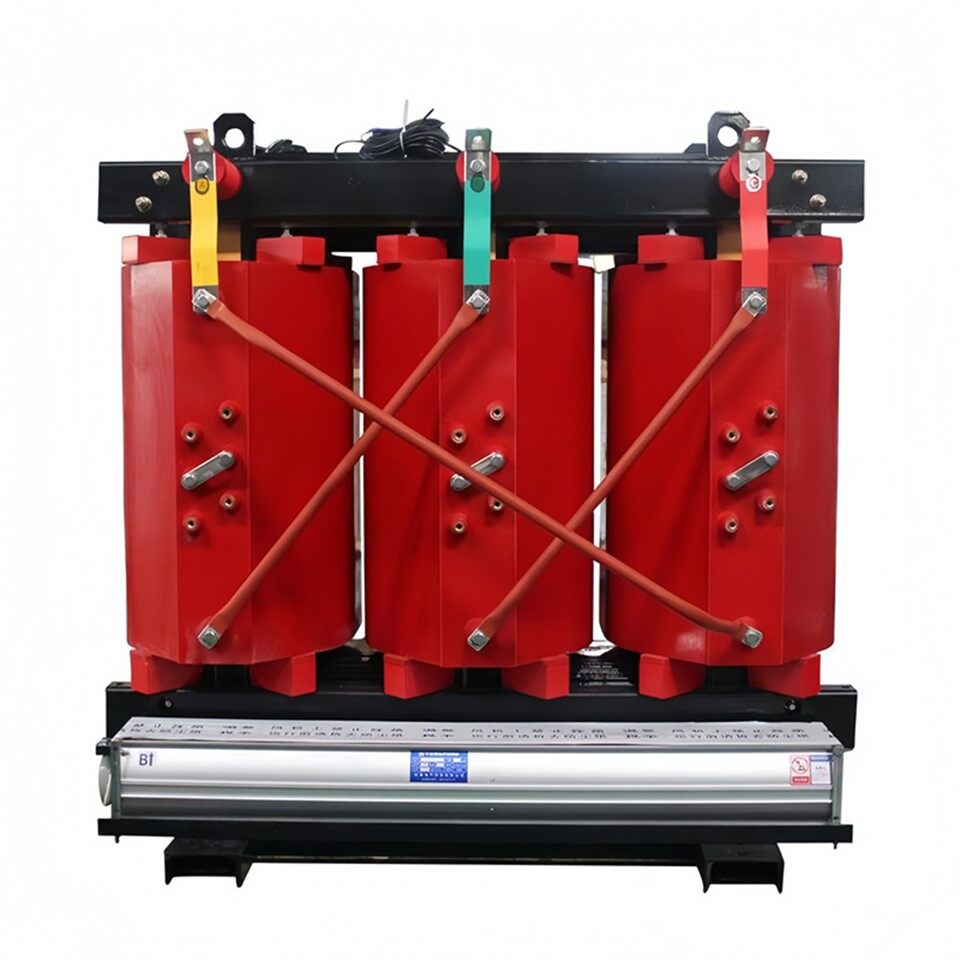
An order of F class insulation dry type power transformer was completed in early July, 2025. We take great pride in manufacturing highly reliable and maintenance-free transformers based on the design requirements. When you choose our transformers, you receive more than just equipment, you get a partnership built on seamless support.
Insulation Classes for Dry Type Transformer
|
Class of Insulation |
Class of Temperature Resistance |
Winding Temperature Rise Limit |
Hotspot Temperature |
Insulation Materials |
|
A |
105℃ |
60K |
105℃ |
Impregnated paper, cotton yarn, magnet wire |
|
E |
120℃ |
75K |
120℃ |
PET film, poxy resin |
|
B |
130℃ |
80K |
130℃ |
Mica, fiberglass (reinforced) |
|
F |
155℃ |
100K |
155℃ |
High-temperature epoxy resin, Nomex® paper |
|
H |
180℃ |
125K |
180℃ |
Silicone rubber, polyimide, mica |
|
C |
>180℃ |
Design-dependent |
>180℃ |
Ceramic, PTFE, advanced composite materials |
Key Components of F Class Insulation Dry Type Power Transformer
The core, serving as the magnetic path in the transformer, is constructed by laminating silicon steel sheets with superior magnetic conductivity. An excellent core design significantly reduces magnetic reluctance, improves efficiency and minimizes no-load losses. In addition, insulation between the silicon steel layers further mitigates eddy current losses.
Windings are responsible for transmitting electrical energy in the transformer, wound using highly conductive copper wires. The number of turns and wire diameter are determined based on the voltage ratio and capacity requirements. High-voltage and low-voltage windings handle different voltage levels respectively while ensuring proper inter-winding insulation and heat dissipation.

Insulating materials not only ensure electrical isolation between windings and the core, but also prevent short circuits and electric leakage. The materials used such as insulation paper and varnish must possess excellent electrical insulation properties and thermal stability.
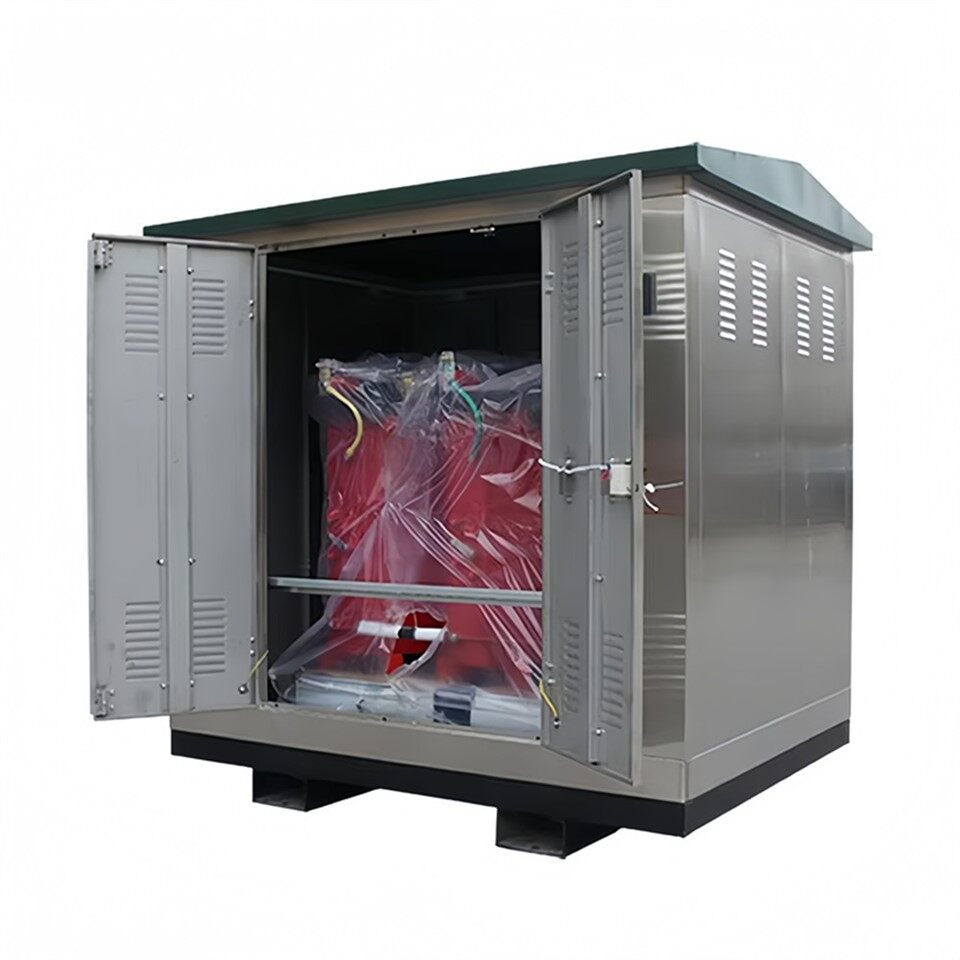
The enclosure protects the internal structure of the transformer from external contaminants like dust and moisture. It is typically made of metal or composite materials and provides sufficient mechanical strength and corrosion resistance. Moreover, the enclosure facilitates efficient heat dissipation to prevent overheating during operation.

Application Scenarios of F Class Insulation Dry Type Power Transformer
New Energy Power Generation Systems - Wind Power/Photovoltaic Inverters
Frequent load fluctuations and high-temperature environments require high heat resistance of transformers. F-class insulation can withstand the heat generated by inverters, thereby extending transformers' service life.
Industrial Variable Frequency Drive Equipment - Steel Rolling Mills, Mining Machinery
High starting currents and continuous overload conditions easily cause temperature rise. F-class insulation allows short-term over-temperature up to 155°C, avoiding insulation brittleness.
Rail Transit Traction - Subway/High-speed Rail Power Supply Systems
Enclosed compartments face challenges in heat dissipation. F-class insulation, combined with forced air cooling, allows for reduced size and meets lightweight requirements.
Ships & Offshore Platforms - Salt Spray Corrosion Environment
F-class insulating materials, e.g. epoxy resin, possess both moisture-proof and salt spray resistance properties, making transformers suitable for marine climates.
Our dry type transformers are designed to provide reliable power continuity for most indoor and outdoor applications, regardless of specific requirements or location. Get in touch today for your power solution!


