

Introduction
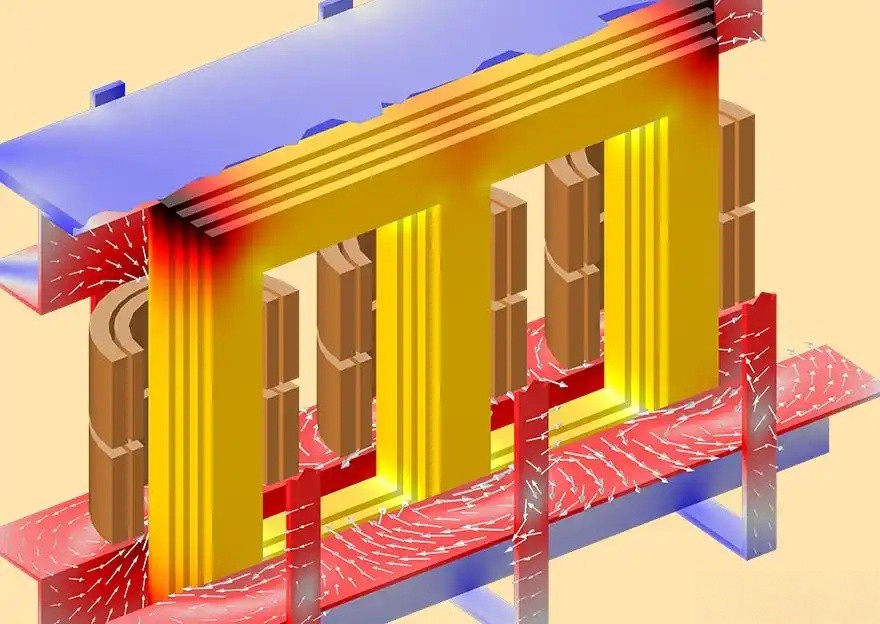
Temperature or temperature rise is the most critical parameter for indicating the transformer's operating status - whether it is in normal operation, experiencing faults, or undergoing abnormal conditions.
During operation, transformers generate copper and iron losses, both of which are converted into heat. This heat causes the core and windings to warm up, raising the overall temperature of the transformer. Additionally, the windings themselves heat up due to current flow. When the heat dissipated to the environment reaches equilibrium with the internally generated heat, the temperatures of all transformer components stabilize at a steady value.
If any part of the transformer operates above its permitted temperature range for an extended period, the transformer's insulation is susceptible to damage and can easily be broken down by high voltage. Therefore, under normal operating conditions, the transformer temperature should always remain below the allowable limit of its insulation materials.
Temperature Rise Limits
The temperature rise limits are based on the thermal class of the insulation material, assuming an ambient temperature of 40℃. The main limits are as follows:
| Insulation Class | Limit Temperature | Temperature Rise Limit (K) | Applicable Transformer Type |
| A | 105°C | 65 | Oil-immersed (Winding) |
| A | 105°C | 55 | Oil-immersed (Oil) |
| A | 105°C | ≤ 45 | Oil-immersed (Top Oil) |
| A | 105°C | 60 | Dry-type |
| B | 130°C | 80 | Dry-type |
| F | 155°C | 100 | Dry-type |
| H | 180°C | 125 | Dry-type |
Causes of Excessive Temperature Rise
An excessive temperature rise in a transformer indicates an internal fault, such as poor contact in the tap changer, inter-turn short circuits in the windings, or short circuits between the iron core laminations. When short circuits occur between laminations, core losses increase, raising the oil temperature and accelerating the aging of the oil. Oil analysis in such cases may reveal significant sludge deposition, darkening of the oil color, and a lower flash point.
Response to Excessive Temperature Rise
1.Compare the oil temperature of the transformer under the same load and cooling conditions.
2.Verify the accuracy of the temperature gauge readings.

3.Inspect the transformer's cooling system.
For a total cooling failure that cannot be repaired while operating - Immediately take the transformer out of service for repair.
For a partial failure (e.g., some fans or coolers) - Adjust the load per site procedures and repair the faulty components.
If the cooling system is confirmed normal but temperature remains high - This indicates an internal fault. If the protective devices do not operate, an immediate shutdown for internal inspection and repair is required.
Conclusion
Managing transformer temperature is a practical task. We hope this guide is helpful. At VKE Transformer, we build every unit with safety and reliability as our top priority. We aim to be your dependable partner in keeping the power system running smoothly.