

Profile
When procuring transformers, the most frequently overlooked aspect-often more critical than capacity, voltage ratio, or loss values-is the actual scope and validity of a given certificate. A transformer that performs exceptionally well in a laboratory setting may fail to secure installation permits at its destination if it adheres to the wrong set of standards. International certification is not merely an optional feature; it is a prerequisite for the legal connection of a product to a local power grid.

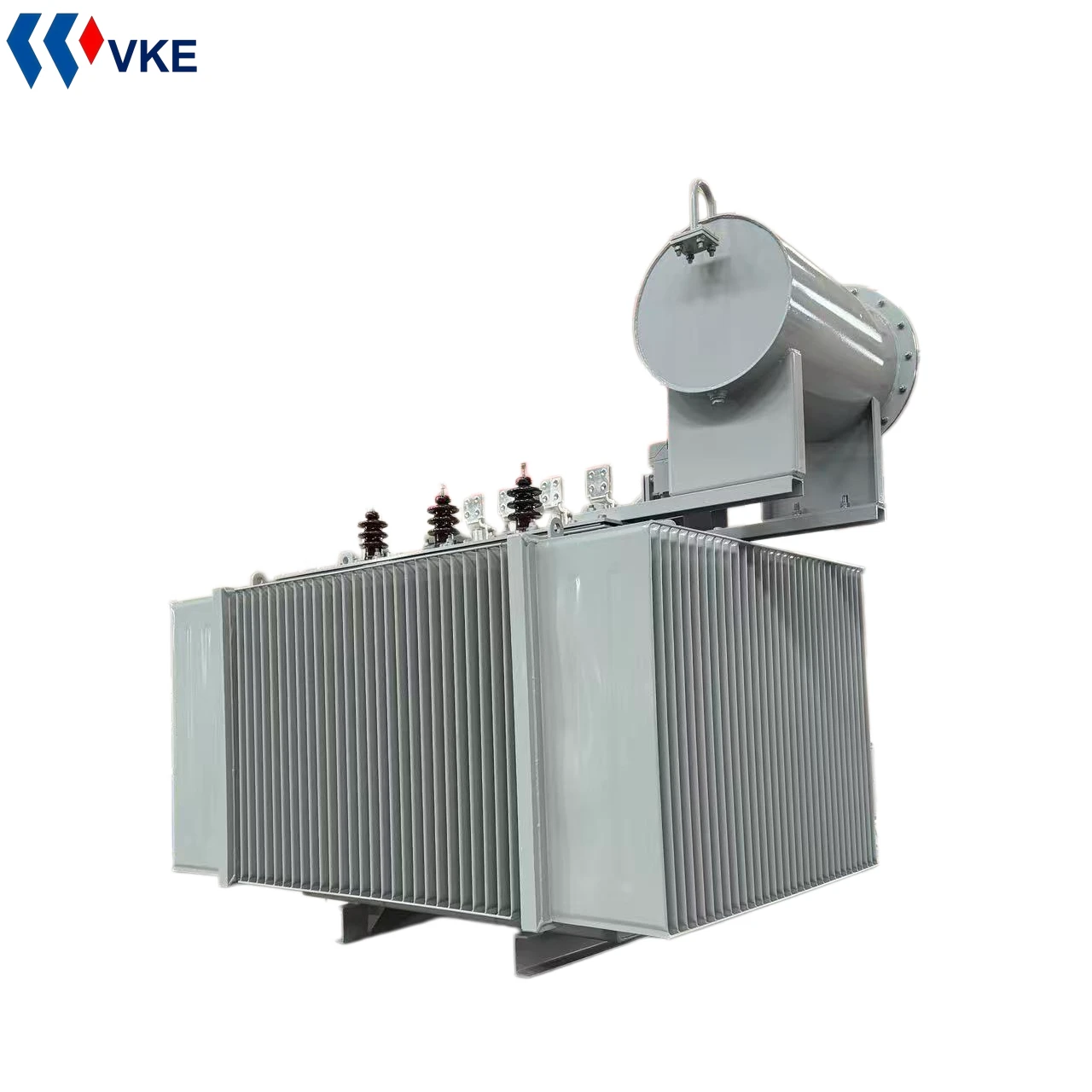
Certification Scope
During the inquiry phase, many projects focus immediately on details like silicon steel grades, winding materials, and no-load losses. While these are certainly important, choosing the wrong certification path early on makes subsequent technical optimization difficult to rectify. For instance, the requirements for a distribution transformer destined for the European market differ significantly from those for the North American market-in terms of the underlying standards, testing protocols, and the safety certification bodies involved. You must first determine the target market and the applicable regulatory framework before discussing technical solutions; the order cannot be reversed.
IEC&IEEE
Global transformer standards generally fall into two categories. On one side is the IEC 60076 series, which covers most markets in Europe, the Middle East, Africa, and Asia. Based on a 50 Hz frequency, these standards emphasize type testing and insulation coordination. On the other side is the North American IEEE C57 series, supported by the ANSI/IEEE framework and primarily based on a 60 Hz frequency. General requirements for distribution transformers are outlined in IEEE C57.12.00, while dry-type transformers are covered by IEEE C57.12.01; testing procedures are standardized under IEEE C57.12.90.
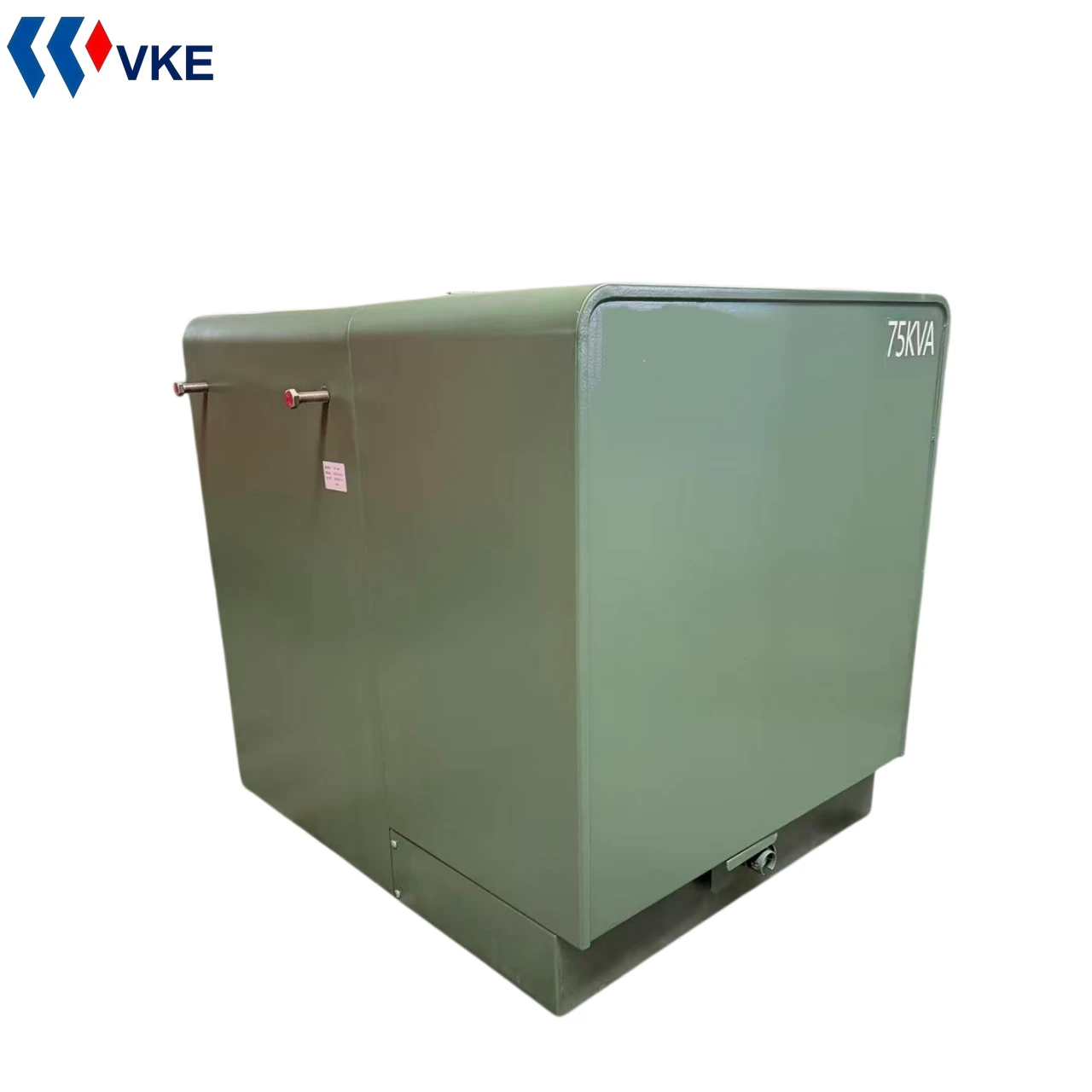
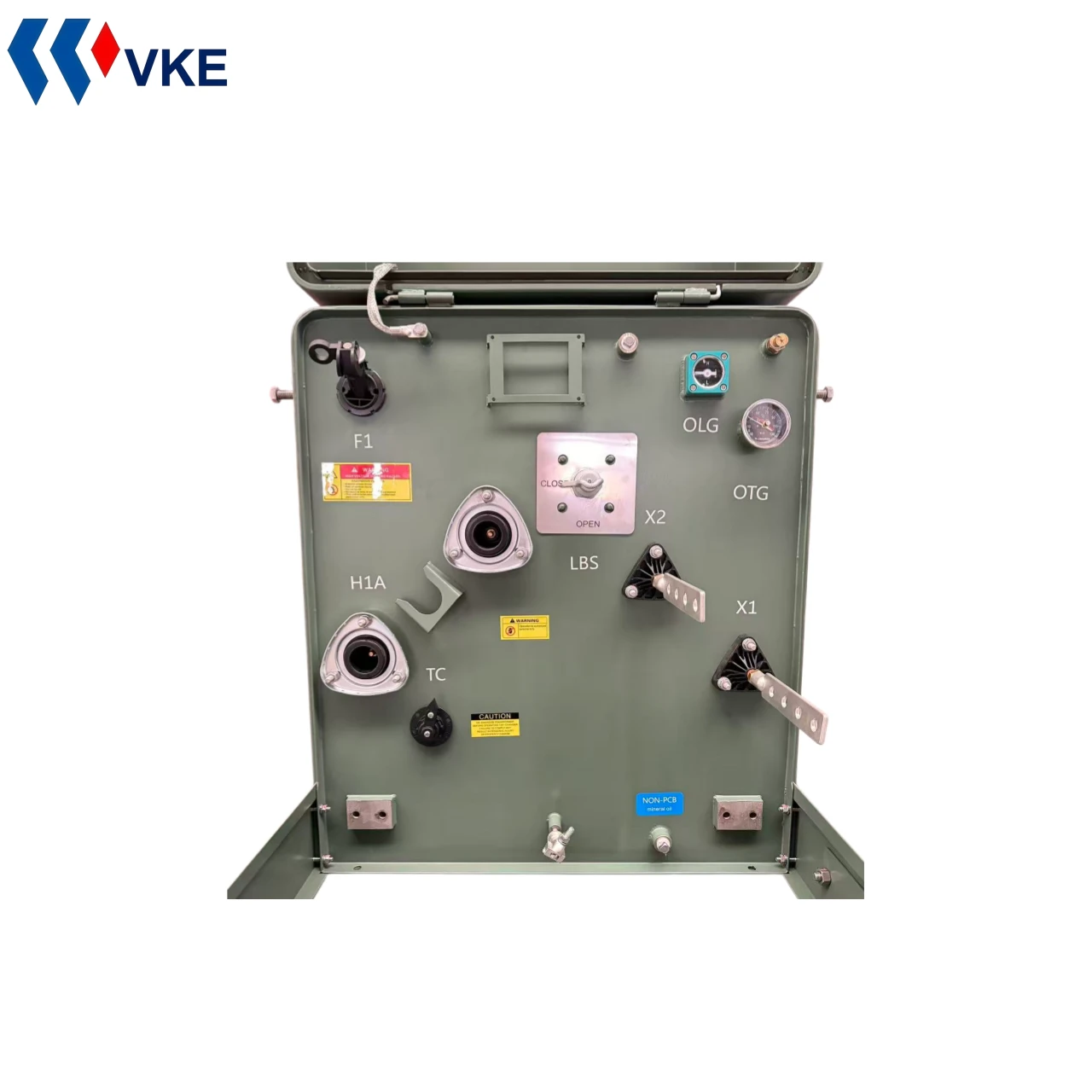
These two systems differ notably in areas such as temperature rise limits and efficiency calculation methods. For example, IEC efficiency is typically calculated based on input power, whereas IEEE efficiency is based on output power; therefore, identical load-loss figures cannot be directly equated across the two systems. This is why a prototype designed to meet IEC standards cannot simply be "translated" into a product that complies with UL requirements. These differences are not merely a matter of semantics-they represent concrete hurdles that directly impact test reports and grid-connection approvals.
UL and Energy Efficiency

The role of UL warrants separate discussion. UL is not a standards-setting body, but rather a safety certification organization for the North American market. Liquid-immersed distribution transformers fall under **UL 1561**, while dry-type transformers fall under **UL 1562**; these standards cover safety-related requirements such as insulation, temperature rise, and short-circuit withstand capability. In the Canadian market, the CSA system serves a parallel function, with CSA C22.2 No. 47 being a common standard for dry-type transformers. In practice, products entering the North American market often need to comply with both UL and CSA requirements.
Energy efficiency represents a separate, independent threshold. The U.S. Department of Energy (DOE) established mandatory minimum efficiency standards for distribution transformers in 2016, while the European Union employs a tiered approach (Tier 1 and Tier 2) under its Ecodesign Directive (EU 548/2014 and subsequent amendments). It is important to note that the CE mark does not in itself signify compliance with energy efficiency standards; these must be verified separately. Confusing safety certification with energy efficiency compliance is a common knowledge gap in overseas projects.
Product Type Determines the Set of Applicable Standards
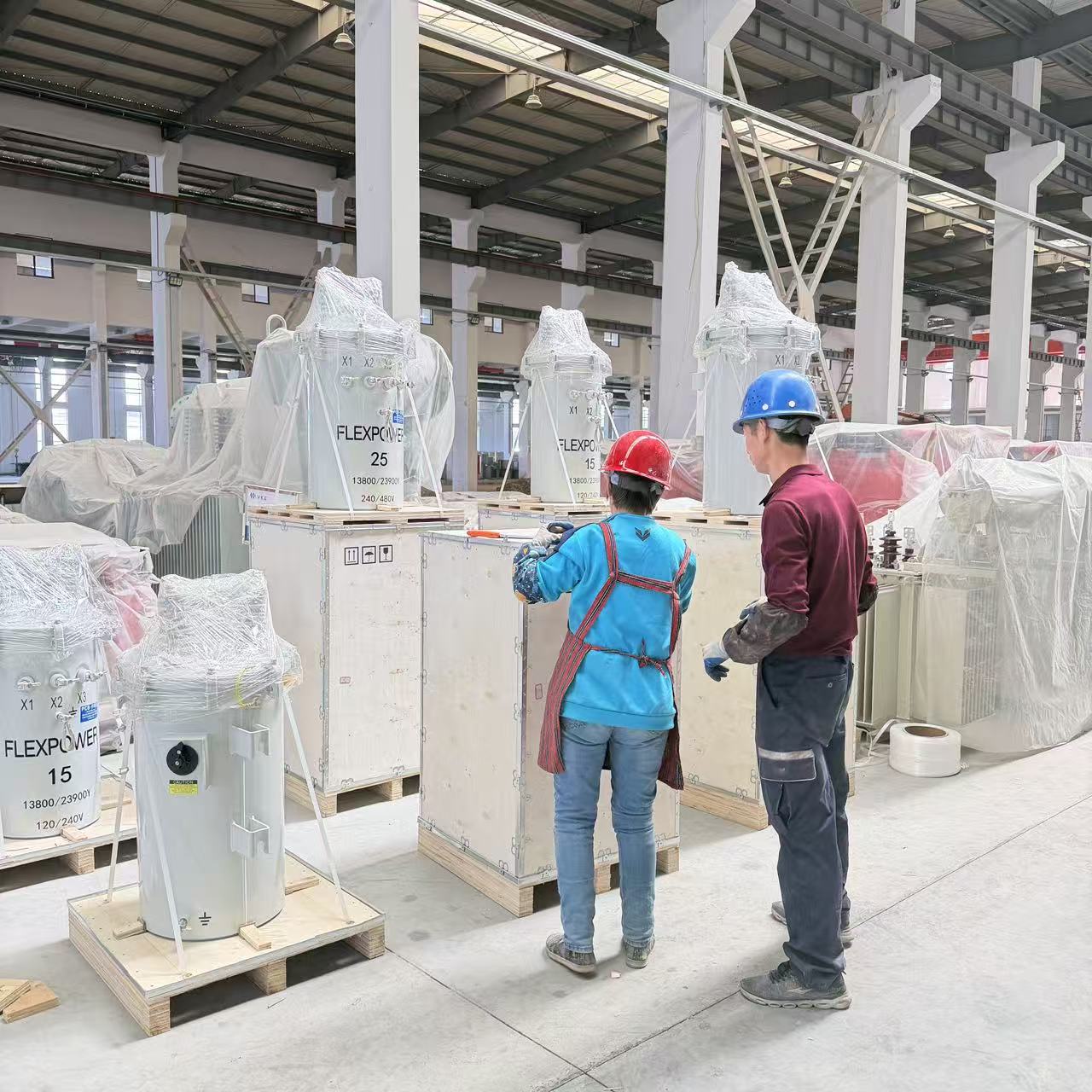
For dry-type transformers, the relevant IEC standard is IEC 60076-11; in North America, the safety certification is UL 1562, and in Canada, it is CSA C22.2 No. 47.

For oil-immersed transformers, the core standards are IEC 60076-1 (general requirements) and its associated parts, such as IEC 60076-2, 60076-3, and 60076-5. In the North American system, the equivalents are IEEE C57.12.00 and C57.12.90, while UL certification follows the UL 1561 pathway.
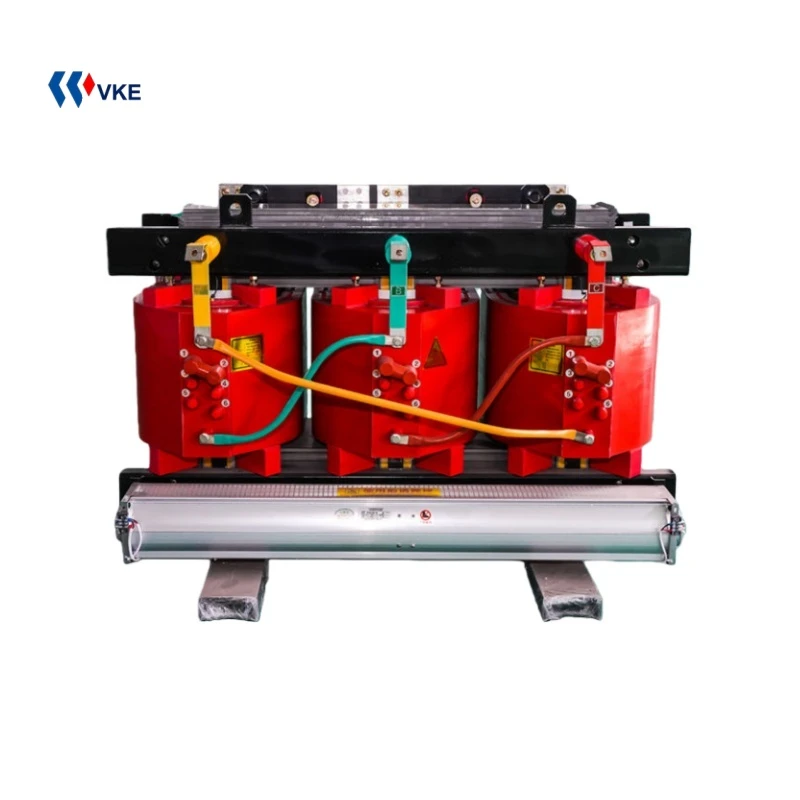
The testing priorities for these two types differ: oil-immersed transformers focus on the sealing and heat dissipation of the oil-paper insulation system, while dry-type transformers emphasize the heat resistance class and flame-retardant properties of their solid insulation. Only when the correct set of standards is selected can subsequent type testing be truly meaningful.
Incorporating Certification Costs into the Specification Phase
cost
The initial review process for a manufacturing facility by UL typically takes six to eight weeks. These costs are not one-time expenses; they also encompass ongoing annual follow-ups and label management. While a CB Test Certificate (under the IEC system) can reduce the need for redundant testing when obtaining certifications in multiple countries, it does not eliminate the requirement for supplementary testing to address the specific national deviations of the target markets.
Approach
A more pragmatic approach is to define the "target market, product type, and energy efficiency rating" during the technical specification phase. By working backward from these parameters, one can determine the necessary certifications-rather than attempting to retrofit a project to match existing certificates. Integrating the certification plan into the specification phase as early as possible provides greater flexibility to manage future design changes or additional testing requirements.
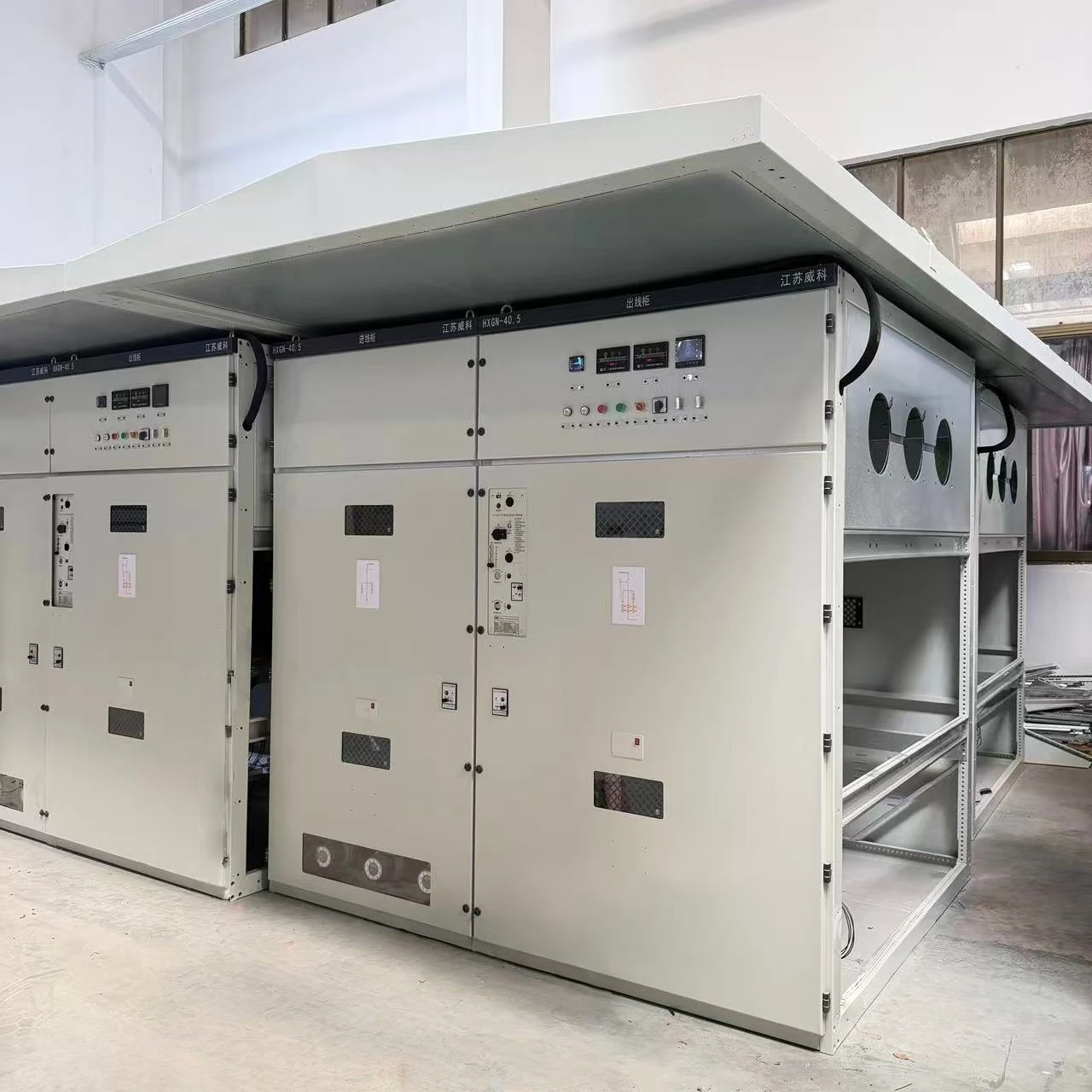
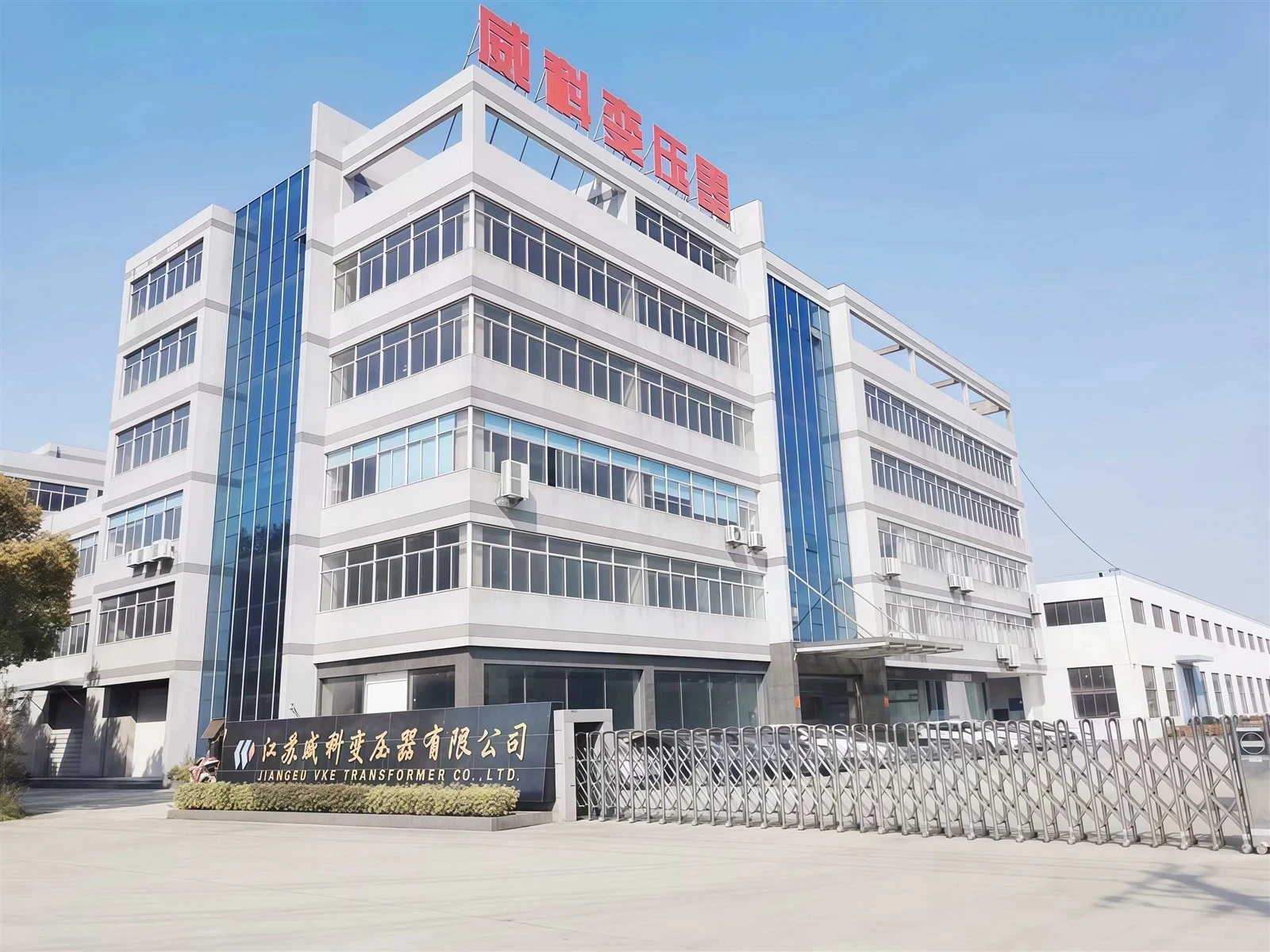
Standards exist as text on paper; the ability to consistently meet these requirements depends on whether the manufacturer has integrated testing directly into their production processes. For projects involving delivery to multiple international markets, the number of certificates held is less significant than whether design inputs are verified against the relevant clauses of IEC, IEEE, or UL standards, and whether factory acceptance tests provide a traceable data chain. Jiangsu VKE Transformer Co., Ltd. has specialized in transformer manufacturing since 2003. Its product portfolio encompasses both transformers and complete electrical equipment assemblies. The company operates two production bases in Jiangsu Province, with an annual capacity of approximately 6,000 MVA.

One-stop Transformer Manufacturing Factory in China
Only when certification requirements are broken down into specific technical parameters-such as insulation classes for windings, temperature rise limits, and short-circuit withstand duration-does manufacturing expertise truly translate into compliance capability. When the right standards are selected and supported by robust manufacturing, certificates become more than just mere sheets of paper in a bid document.