

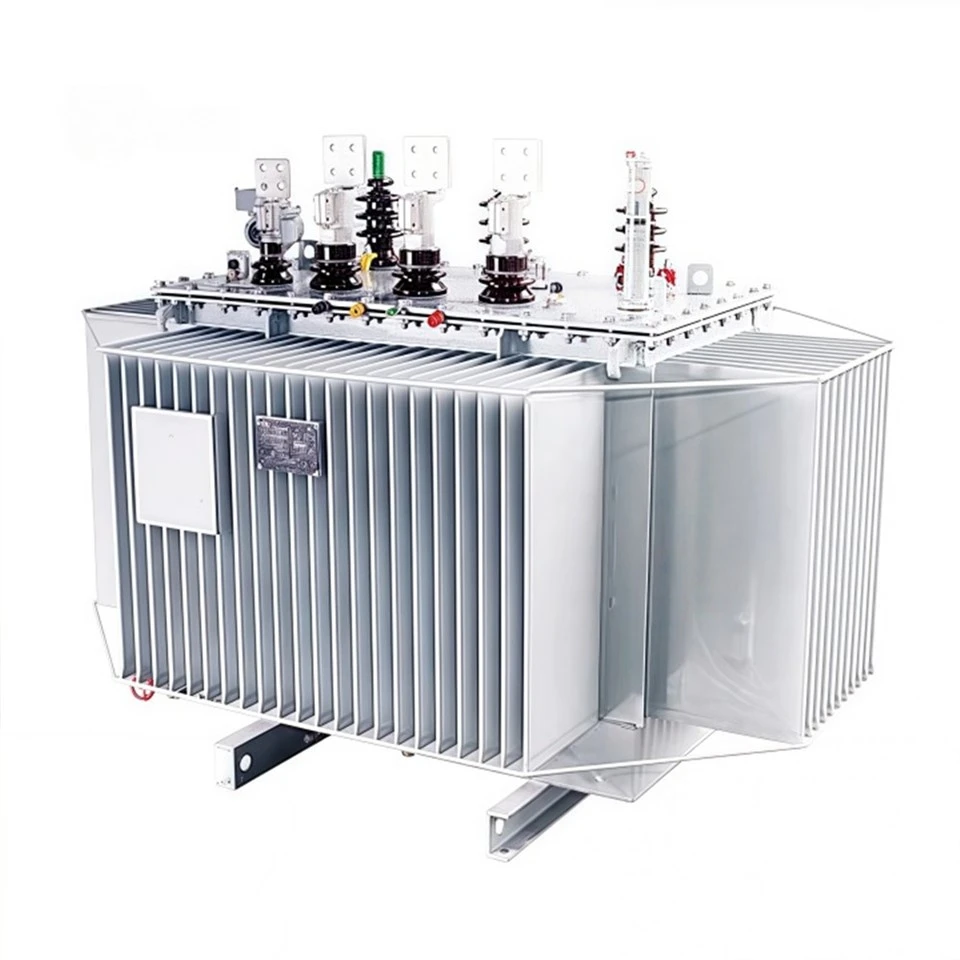
Hey there! As a supplier of Three Phase Oil Immersed Power Transformers, I've seen my fair share of oil leakage issues. It's a real headache, not just for us suppliers but also for our customers. Oil leakage can lead to all sorts of problems, from environmental hazards to reduced transformer performance and even safety risks. So, in this blog, I'm gonna share some tips on how to prevent oil leakage in a three-phase oil-immersed power transformer.
Understanding the Causes of Oil Leakage
Before we dive into the prevention methods, it's important to understand what causes oil leakage in the first place. There are several factors that can contribute to this problem:
- Seal Degradation: Over time, the seals in the transformer can wear out or become damaged. This can be due to factors like temperature fluctuations, chemical exposure, or simply the natural aging process. When the seals are compromised, oil can leak out.
- Vibration and Mechanical Stress: Transformers are often subjected to vibration and mechanical stress during operation. This can cause the joints and connections in the transformer to loosen, leading to oil leakage.
- Overfilling or Underfilling: If the transformer is overfilled with oil, it can cause excessive pressure inside the tank, leading to leakage. On the other hand, if the transformer is underfilled, it can cause the oil level to drop below the minimum level, exposing the windings and increasing the risk of overheating and damage.
- Corrosion: Corrosion can occur on the surface of the transformer tank or other components. This can weaken the structure of the transformer and cause oil to leak through the corroded areas.
Prevention Methods
Regular Maintenance and Inspection
One of the most important things you can do to prevent oil leakage is to perform regular maintenance and inspection of the transformer. This includes:
- Checking the Seals: Inspect the seals around the transformer tank, valves, and other components regularly. Look for signs of wear, damage, or deterioration. If you notice any issues, replace the seals immediately.
- Tightening the Joints and Connections: Check the joints and connections in the transformer regularly to make sure they are tight. Use a torque wrench to ensure that the bolts are tightened to the correct specifications.
- Monitoring the Oil Level: Keep an eye on the oil level in the transformer. Make sure it is within the recommended range. If the oil level is low, add oil to the transformer. If the oil level is high, drain some oil from the transformer.
- Inspecting for Corrosion: Look for signs of corrosion on the surface of the transformer tank and other components. If you notice any corrosion, clean the affected area and apply a protective coating to prevent further corrosion.
Proper Installation
Proper installation of the transformer is also crucial for preventing oil leakage. Here are some tips to keep in mind:
- Follow the Manufacturer's Instructions: Make sure you follow the manufacturer's instructions carefully when installing the transformer. This includes the correct placement, leveling, and grounding of the transformer.
- Use High-Quality Seals and Gaskets: When installing the transformer, use high-quality seals and gaskets. This will help to ensure a tight seal and prevent oil leakage.
- Avoid Over-tightening the Bolts: When tightening the bolts on the transformer, make sure you don't over-tighten them. This can damage the seals and gaskets and cause oil leakage.
Temperature and Pressure Control
Controlling the temperature and pressure inside the transformer is also important for preventing oil leakage. Here are some ways to do this:
- Install a Temperature and Pressure Monitoring System: Install a temperature and pressure monitoring system on the transformer. This will allow you to monitor the temperature and pressure inside the transformer in real-time and take appropriate action if necessary.
- Use a Cooling System: Use a cooling system to keep the temperature of the transformer within the recommended range. This can help to prevent overheating and reduce the risk of oil leakage.
- Avoid Overloading the Transformer: Make sure you don't overload the transformer. Overloading can cause the temperature and pressure inside the transformer to increase, leading to oil leakage.
Training and Education
Finally, it's important to provide training and education to your employees on how to prevent oil leakage in the transformer. This includes:

- Proper Maintenance and Inspection Procedures: Train your employees on the proper maintenance and inspection procedures for the transformer. This will help them to identify and address any potential issues before they become serious.
- Safety Procedures: Train your employees on the safety procedures for working with transformers. This includes wearing appropriate personal protective equipment and following the correct procedures for handling and disposing of oil.
Conclusion
Preventing oil leakage in a three-phase oil-immersed power transformer is essential for ensuring the safety and reliability of the transformer. By following the tips outlined in this blog, you can reduce the risk of oil leakage and extend the lifespan of your transformer.
If you're in the market for a Three Phase Oil Immersed Power Transformer, Fully Sealed Oil Immersed Distribution Transformer, or High Performance Oil Sealed Transformer, we're here to help. We offer a wide range of high-quality transformers that are designed to meet your specific needs. Contact us today to learn more about our products and services and to discuss your requirements.
References
- Electrical Power Transformer Engineering, Third Edition by Turan Gönen
- Transformer Engineering: Design, Technology, and Diagnostics by G. K. Dubey