

As a supplier of single phase pole mounted transformers, I understand the critical importance of protecting these vital electrical components from over - current situations. Over - current can lead to various problems, including damage to the transformer, power outages, and even pose safety risks. In this blog, I will share some effective strategies on how to protect a single phase pole mounted transformer from over - current.
Understanding Over - Current in Single Phase Pole Mounted Transformers
Before delving into protection methods, it is essential to understand what over - current is and what causes it. Over - current occurs when the current flowing through the transformer exceeds its rated capacity. This can be due to several reasons, such as short circuits in the electrical system, overloads caused by excessive power demand, or faults in the connected equipment.
Short circuits are one of the most common causes of over - current. When a short circuit occurs, the resistance in the circuit drops significantly, allowing a large amount of current to flow through the transformer. Overloads, on the other hand, happen when the connected load draws more current than the transformer is designed to handle. This can occur during peak demand periods or when additional equipment is connected to the system without considering the transformer's capacity.
Fuses as a Primary Protection Device
Fuses are one of the most widely used devices for protecting single phase pole mounted transformers from over - current. A fuse is a simple device that consists of a metal wire or strip that melts when the current flowing through it exceeds a certain value. When the fuse melts, it breaks the circuit, preventing further current flow and protecting the transformer from damage.
There are different types of fuses available for single phase pole mounted transformers, such as current - limiting fuses and expulsion fuses. Current - limiting fuses are designed to interrupt the current quickly and limit the amount of energy released during a fault. They are typically used in high - voltage applications where rapid fault clearing is required. Expulsion fuses, on the other hand, use an arc - quenching mechanism to interrupt the current. They are more commonly used in low - to medium - voltage applications.
When selecting a fuse for a single phase pole mounted transformer, it is important to consider the transformer's rated current, the type of load it is serving, and the fault current levels in the system. The fuse should be sized appropriately to ensure that it will blow during an over - current condition but not under normal operating conditions.
Circuit Breakers for Over - Current Protection
Circuit breakers are another important device for protecting single phase pole mounted transformers from over - current. Unlike fuses, circuit breakers can be reset after they trip, making them more convenient for repeated use. Circuit breakers work by detecting an over - current condition and automatically opening the circuit to interrupt the current flow.
There are two main types of circuit breakers: thermal - magnetic circuit breakers and electronic circuit breakers. Thermal - magnetic circuit breakers use a combination of a bimetallic strip and an electromagnet to detect over - current. The bimetallic strip heats up and bends when the current exceeds a certain value, while the electromagnet is activated by a large surge of current. Electronic circuit breakers, on the other hand, use electronic sensors to detect over - current and can provide more precise protection.
When using circuit breakers for single phase pole mounted transformer protection, it is important to select a breaker with the appropriate rating and tripping characteristics. The breaker should be able to handle the normal operating current of the transformer and trip quickly in the event of an over - current condition.
Monitoring and Control Systems
In addition to using fuses and circuit breakers, implementing monitoring and control systems can also help protect single phase pole mounted transformers from over - current. These systems can continuously monitor the current flowing through the transformer and provide early warnings of potential over - current situations.
One type of monitoring system is a current transformer (CT) and a relay. The current transformer is used to measure the current flowing through the primary circuit of the transformer, and the relay is used to compare the measured current with a pre - set threshold. If the current exceeds the threshold, the relay can send a signal to trip the circuit breaker or activate an alarm.
Another option is to use a smart grid monitoring system. These systems can collect and analyze data from multiple sensors installed on the transformer and the connected electrical network. They can provide real - time information about the transformer's operating conditions, including current, voltage, and temperature. By analyzing this data, operators can detect potential over - current issues and take proactive measures to prevent damage to the transformer.
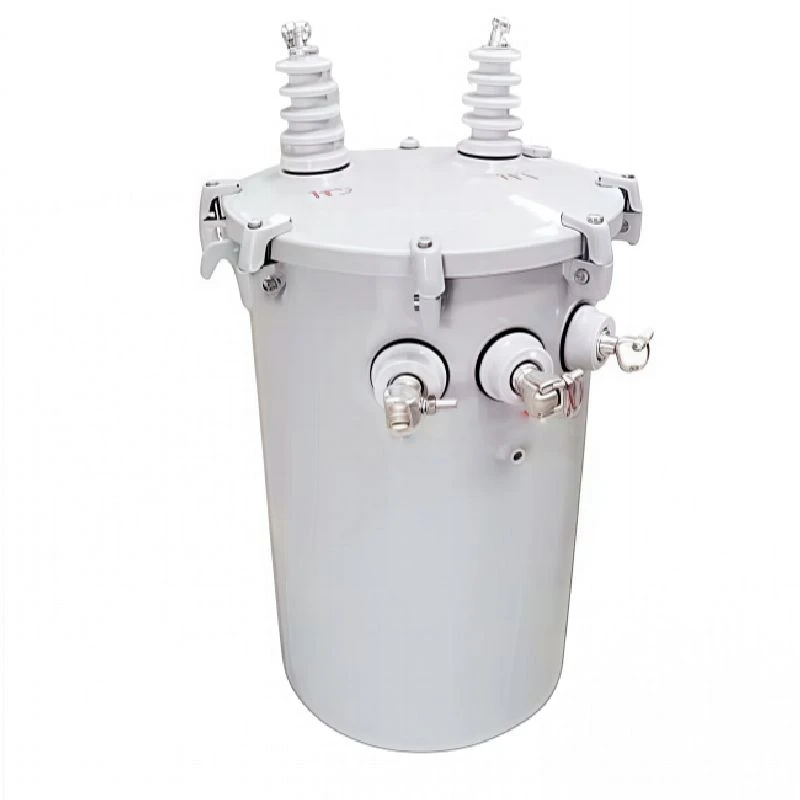

Proper Sizing and Loading of the Transformer
Proper sizing and loading of the single phase pole mounted transformer is also crucial for protecting it from over - current. When selecting a transformer, it is important to consider the expected load requirements and choose a transformer with a sufficient capacity. Overloading the transformer can lead to over - current conditions and reduce its lifespan.
It is also important to monitor the load on the transformer regularly and ensure that it does not exceed the rated capacity. This can be done by using load monitoring devices or by analyzing historical load data. If the load is approaching the transformer's capacity, measures can be taken to reduce the load, such as adding additional transformers or upgrading the electrical system.
Regular Maintenance and Inspection
Regular maintenance and inspection of single phase pole mounted transformers are essential for ensuring their proper operation and protecting them from over - current. During maintenance, the transformer should be inspected for signs of damage, such as worn insulation, loose connections, or overheating. Any issues should be addressed promptly to prevent further damage.
The fuses and circuit breakers should also be tested regularly to ensure that they are functioning properly. This can include checking the continuity of the fuses and testing the tripping characteristics of the circuit breakers. Additionally, the monitoring and control systems should be calibrated and updated to ensure accurate operation.
Conclusion
Protecting a single phase pole mounted transformer from over - current is crucial for ensuring its reliable operation and preventing damage. By using a combination of fuses, circuit breakers, monitoring and control systems, proper sizing and loading, and regular maintenance, we can effectively protect these transformers from the harmful effects of over - current.
If you are in the market for high - quality single phase pole mounted transformers, we offer a wide range of products, including 11kv Pole Mounted Transformer, 12470y 7200 120 240v Pole Mounted Transformer, and 167 Kva Single Phase Pole Mounted Transformer. Our transformers are designed to meet the highest standards of safety and performance. If you have any questions or are interested in purchasing our products, please feel free to contact us for a detailed discussion and procurement negotiation.
References
- "Electrical Power Systems: Design and Analysis" by Turan Gonen
- "Transformer Engineering: Design, Technology, and Diagnostics" by George J. Anders