

As a seasoned supplier of pole mounted transformers, I understand the critical importance of insulation testing in ensuring the safety, reliability, and longevity of these essential electrical assets. In this blog post, I'll share comprehensive insights into how to test the insulation of a pole mounted transformer, drawing on my years of experience in the industry.
Understanding the Basics of Pole Mounted Transformers
Before delving into the insulation testing process, it's essential to have a clear understanding of pole mounted transformers. These transformers are typically used in distribution networks to step down high-voltage electricity from transmission lines to a lower voltage suitable for residential and commercial use. They are mounted on utility poles, making them a common sight in both urban and rural areas.
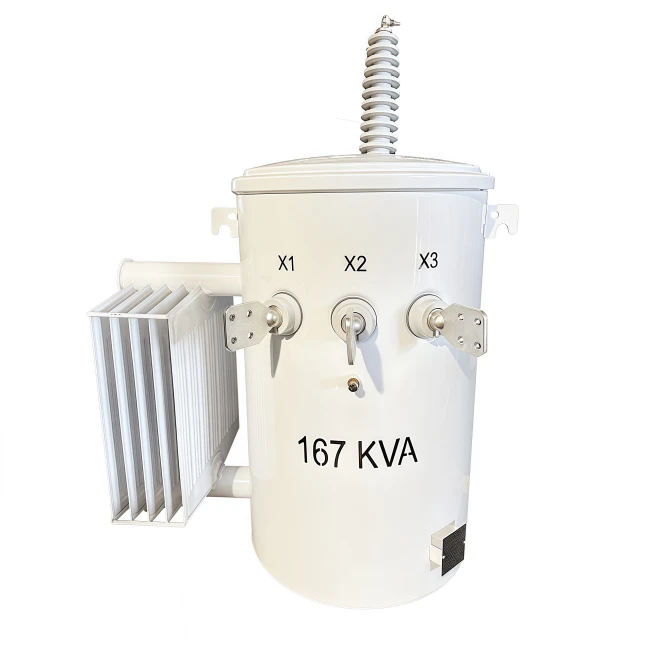
There are various types of pole mounted transformers available, including Single Phase Pole Mounted Transformer and Pole Mounted Distribution Transformer. For instance, the 167 Kva Single Phase Pole Mounted Transformer is designed to meet specific power requirements in different applications.
Why Insulation Testing is Crucial
The insulation in a pole mounted transformer serves as a barrier between the electrical conductors and the surrounding environment. Over time, this insulation can degrade due to factors such as moisture, heat, electrical stress, and mechanical vibrations. A compromised insulation system can lead to electrical faults, short circuits, and even transformer failure, which can result in power outages, equipment damage, and safety hazards.
Regular insulation testing helps to detect early signs of insulation degradation, allowing for timely maintenance and repairs. By identifying and addressing insulation issues proactively, you can prevent costly downtime, extend the lifespan of the transformer, and ensure the safety of the electrical system.
Preparing for Insulation Testing
Before conducting insulation testing on a pole mounted transformer, it's important to take the necessary safety precautions. Ensure that the transformer is de-energized and properly grounded before starting any testing procedures. Use appropriate personal protective equipment (PPE), such as insulated gloves and safety glasses, to protect yourself from electrical hazards.

Gather the required testing equipment, including an insulation resistance tester (megger), a temperature and humidity meter, and a grounding rod. Make sure the testing equipment is in good working condition and calibrated according to the manufacturer's specifications.
Insulation Resistance Testing
Insulation resistance testing is one of the most common methods used to assess the condition of the insulation in a pole mounted transformer. This test measures the resistance of the insulation to the flow of electrical current. A high insulation resistance value indicates good insulation, while a low value may indicate insulation degradation or moisture ingress.
To perform insulation resistance testing, follow these steps:
- Disconnect all external connections: Remove all cables and wires connected to the transformer terminals to isolate the transformer from the electrical system.
- Set up the insulation resistance tester: Select the appropriate test voltage on the megger based on the rated voltage of the transformer. For most pole mounted transformers, a test voltage of 1000 V or 2500 V is commonly used.
- Connect the test leads: Connect the test leads of the megger to the transformer terminals. The red lead is typically connected to the high-voltage terminal, and the black lead is connected to the low-voltage terminal or the ground.
- Perform the test: Turn on the megger and allow it to stabilize for a few seconds. Read the insulation resistance value displayed on the megger. Record the value along with the temperature and humidity at the time of testing.
- Repeat the test: Repeat the insulation resistance test on all phases of the transformer and between the windings and the ground. Compare the test results with the manufacturer's specifications or previous test records to determine if there are any significant changes in the insulation resistance.
Polarization Index Testing
Polarization index (PI) testing is a more advanced method of insulation testing that provides additional information about the condition of the insulation. This test measures the ratio of the insulation resistance measured after 10 minutes to the insulation resistance measured after 1 minute. A high PI value indicates good insulation, while a low value may indicate insulation degradation or moisture ingress.
To perform polarization index testing, follow these steps:
- Perform insulation resistance testing: Conduct insulation resistance testing as described above, measuring the insulation resistance after 1 minute and 10 minutes.
- Calculate the polarization index: Divide the insulation resistance measured after 10 minutes by the insulation resistance measured after 1 minute. The resulting value is the polarization index.
- Interpret the results: Compare the calculated polarization index with the manufacturer's specifications or industry standards. A PI value of 2 or higher is generally considered acceptable, while a value below 1.5 may indicate insulation problems.
Dielectric Dissipation Factor Testing
Dielectric dissipation factor (DDF) testing, also known as power factor testing, is another important method of insulation testing. This test measures the amount of electrical energy dissipated as heat in the insulation when an alternating current is applied. A high DDF value indicates poor insulation, while a low value indicates good insulation.
To perform dielectric dissipation factor testing, follow these steps:
- Set up the testing equipment: Connect the DDF tester to the transformer terminals according to the manufacturer's instructions. Make sure the testing equipment is properly grounded.
- Apply the test voltage: Apply a sinusoidal test voltage to the transformer at a frequency of 50 Hz or 60 Hz. The test voltage should be within the specified range for the transformer.
- Measure the DDF: Measure the dielectric dissipation factor using the DDF tester. Record the value along with the temperature and humidity at the time of testing.
- Interpret the results: Compare the measured DDF value with the manufacturer's specifications or industry standards. A DDF value within the acceptable range indicates good insulation, while a value above the specified limit may indicate insulation degradation.
Analyzing and Interpreting Test Results
Once you have completed the insulation testing, it's important to analyze and interpret the test results to determine the condition of the insulation in the pole mounted transformer. Compare the test results with the manufacturer's specifications, industry standards, and previous test records to identify any trends or changes in the insulation performance.
If the test results indicate insulation degradation or other problems, further investigation may be required to determine the root cause of the issue. This may involve additional testing, such as oil analysis or visual inspection of the transformer. Based on the findings, appropriate maintenance or repair actions can be taken to address the insulation problems and ensure the continued safe and reliable operation of the transformer.
Conclusion
Insulation testing is a critical part of the maintenance and operation of pole mounted transformers. By regularly testing the insulation, you can detect early signs of degradation, prevent costly downtime, and ensure the safety of the electrical system. As a trusted supplier of pole mounted transformers, I recommend following the recommended testing procedures and industry best practices to maintain the integrity of the insulation in your transformers.
If you have any questions about insulation testing or are interested in purchasing high-quality pole mounted transformers, please feel free to contact us. Our team of experts is ready to assist you with your needs and provide you with the best solutions for your electrical applications.
References
- Electrical Power Systems Quality, by Roger C. Dugan, Mark F. McGranaghan, Surya Santoso, and H. Wayne Beaty
- Transformer Engineering: Design, Technology, and Diagnostics, by J. R. Lucas and G. C. Stone