

As a supplier of three-phase pad-mounted transformers, I understand the critical importance of proper maintenance to ensure the longevity, reliability, and safety of these essential electrical assets. In this blog post, I will delve into the common maintenance procedures for three-phase pad-mounted transformers, sharing insights based on my experience in the industry.
Visual Inspections
Visual inspections are the first line of defense in transformer maintenance. Regularly scheduled visual checks can help identify potential issues before they escalate into major problems. During a visual inspection, the following aspects should be carefully examined:
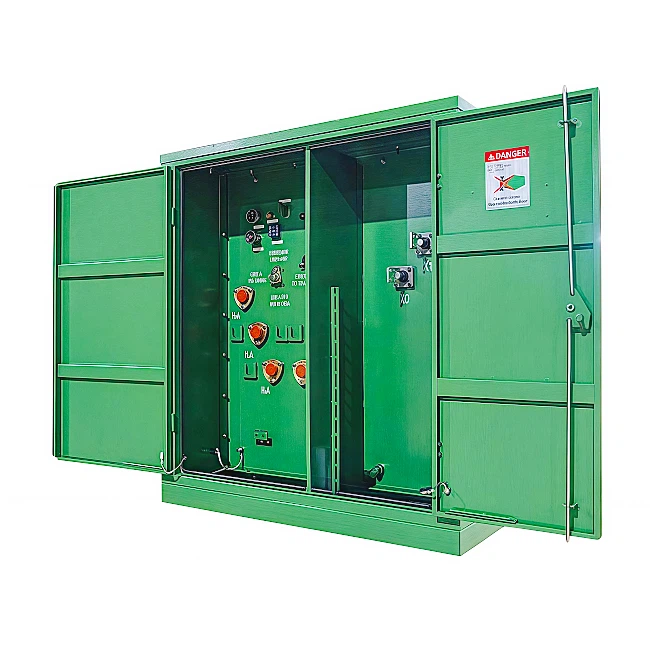
- Exterior Condition: Inspect the transformer's enclosure for any signs of damage, such as cracks, dents, or corrosion. Pay special attention to the seals around the doors and hatches to ensure they are intact and providing a proper barrier against moisture and contaminants.
- Oil Level and Leaks: Check the oil level in the transformer's conservator tank. A low oil level may indicate a leak, which should be addressed immediately to prevent further damage. Look for any signs of oil leakage around the gaskets, valves, or connections.
- Bushing Condition: Inspect the bushings for any signs of cracking, tracking, or discoloration. Damaged bushings can lead to electrical failures and should be replaced as soon as possible.
- Terminal Connections: Examine the terminal connections for tightness and signs of overheating. Loose connections can cause arcing and overheating, which can damage the transformer and pose a safety hazard.
Electrical Testing
Electrical testing is an essential part of transformer maintenance, as it helps to assess the electrical performance and integrity of the transformer. The following electrical tests are commonly performed on three-phase pad-mounted transformers:

- Insulation Resistance Testing: Insulation resistance testing measures the resistance of the transformer's insulation to electrical current. A low insulation resistance value may indicate moisture ingress or insulation degradation, which can lead to electrical failures.
- Winding Resistance Testing: Winding resistance testing measures the resistance of the transformer's windings. A significant difference in winding resistance between phases may indicate a short circuit or an open circuit in the winding.
- Ratio Testing: Ratio testing measures the turns ratio of the transformer's windings. A deviation from the specified turns ratio may indicate a problem with the winding or the core.
- Dielectric Dissipation Factor Testing: Dielectric dissipation factor testing measures the amount of energy dissipated in the transformer's insulation. A high dielectric dissipation factor value may indicate insulation degradation or moisture ingress.
Oil Analysis
Oil analysis is a crucial part of transformer maintenance, as it provides valuable information about the condition of the transformer's insulation and the presence of any contaminants or degradation products. The following oil analysis tests are commonly performed on three-phase pad-mounted transformers:
- Dissolved Gas Analysis (DGA): DGA measures the concentration of dissolved gases in the transformer oil. The presence of certain gases, such as hydrogen, methane, ethane, ethylene, and acetylene, can indicate the presence of thermal or electrical faults in the transformer.
- Furan Analysis: Furan analysis measures the concentration of furanic compounds in the transformer oil. Furanic compounds are produced when the transformer's cellulose insulation is subjected to high temperatures. A high concentration of furanic compounds may indicate insulation degradation.
- Oil Quality Testing: Oil quality testing measures the physical and chemical properties of the transformer oil, such as viscosity, acidity, and water content. A change in the oil's properties may indicate contamination or degradation.
Cooling System Maintenance
The cooling system is an important part of a three-phase pad-mounted transformer, as it helps to dissipate the heat generated by the transformer's operation. Proper maintenance of the cooling system is essential to ensure the transformer operates within its specified temperature range. The following cooling system maintenance procedures are commonly performed:
- Radiator Cleaning: Clean the radiators regularly to remove any dirt, debris, or vegetation that may block the airflow. A blocked radiator can reduce the cooling efficiency of the transformer and lead to overheating.
- Fan and Pump Inspection: Inspect the fans and pumps for proper operation. Check the fan blades for damage or imbalance, and ensure the pumps are circulating the coolant properly.
- Coolant Level Check: Check the coolant level in the radiator and the expansion tank regularly. A low coolant level may indicate a leak in the cooling system, which should be addressed immediately.
Lubrication and Greasing
Lubrication and greasing are important maintenance procedures for the moving parts of a three-phase pad-mounted transformer, such as the switches, relays, and bearings. Proper lubrication and greasing help to reduce friction, wear, and corrosion, and ensure the smooth operation of the transformer. The following lubrication and greasing procedures are commonly performed:
- Switch and Relay Lubrication: Lubricate the contacts and moving parts of the switches and relays regularly to prevent arcing and corrosion. Use a high-quality electrical contact lubricant that is compatible with the materials used in the switches and relays.
- Bearing Greasing: Grease the bearings of the fans, pumps, and other rotating equipment regularly to reduce friction and wear. Use a high-quality bearing grease that is suitable for the operating conditions of the equipment.
Safety Checks
Safety checks are an important part of transformer maintenance, as they help to ensure the safety of the personnel working on or around the transformer. The following safety checks are commonly performed:
- Grounding System Inspection: Inspect the grounding system of the transformer to ensure it is properly connected and provides a low-resistance path to the ground. A faulty grounding system can pose a safety hazard to the personnel working on or around the transformer.
- Safety Devices Inspection: Inspect the safety devices, such as the pressure relief valves, temperature sensors, and overcurrent protection devices, to ensure they are functioning properly. Faulty safety devices can lead to electrical failures and pose a safety hazard.
- Lockout/Tagout Procedures: Follow proper lockout/tagout procedures when working on the transformer to prevent accidental energization. Lockout/tagout procedures involve isolating the transformer from the power source and applying locks and tags to prevent unauthorized access.
Conclusion
Proper maintenance of three-phase pad-mounted transformers is essential to ensure their longevity, reliability, and safety. By following the common maintenance procedures outlined in this blog post, you can help to prevent costly breakdowns, extend the life of your transformers, and ensure the safety of your personnel.
If you are in the market for a high-quality three-phase pad-mounted transformer, I invite you to explore our range of products, including the Fully Sealed Three Phase Pad Mounted Transformer, Dead Front Pad Mounted Transformer, and H Class Insulation Three Phase Pad Transformer. Our transformers are designed and manufactured to meet the highest standards of quality and reliability, and we offer a comprehensive range of maintenance and support services to ensure your transformers operate at peak performance.
Contact us today to learn more about our products and services and to discuss your specific requirements. We look forward to working with you to meet your electrical needs.
References
- IEEE C57.12.28-2012, Standard for Pad-Mounted, Compartmental-Type, Self-Cooled, Three-Phase Distribution Transformers, 500 kVA and Smaller; High-Voltage, 34 500 GrdY/19 920 Volts and Below; Low-Voltage, 600 Volts and Below
- ANSI/IEEE C57.104-2008, Guide for the Interpretation of Gases Generated in Oil-Immersed Transformers
- ASTM D3612-12, Standard Test Methods for Analysis of Gases Dissolved in Electrical Insulating Oil by Gas Chromatography