

Hey there! As a supplier of Pad Mounted Distribution Transformers, I've had my fair share of experiences dealing with different types of these transformers. One of the most common questions I get from customers is about the differences between oil - immersed and dry - type Pad Mounted Distribution Transformers. So, let's dive right in and break it down.
Construction and Design
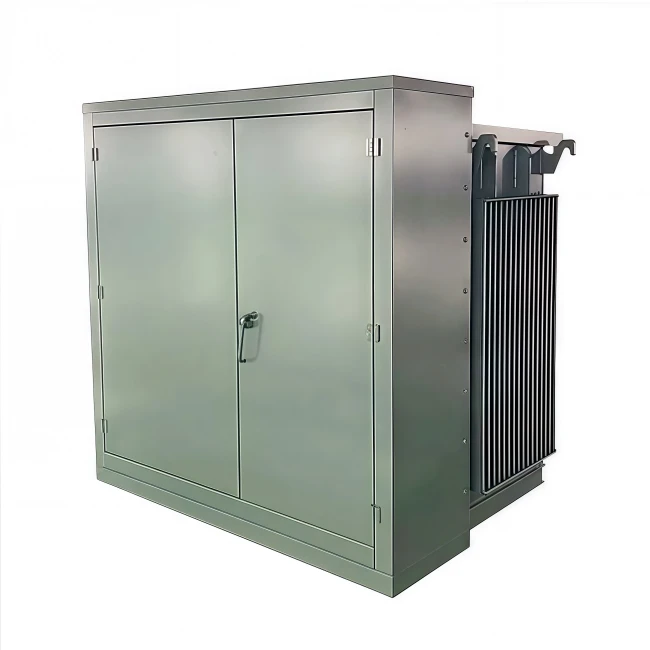
First off, let's talk about the construction. Oil - immersed Pad Mounted Distribution Transformers are, well, filled with oil. This oil serves multiple purposes. It acts as an insulator, preventing electrical currents from leaking out and causing safety hazards. It also helps in cooling the transformer. The oil absorbs the heat generated during the operation of the transformer and transfers it to the outside environment through the transformer's cooling fins or radiators.
On the other hand, dry - type Pad Mounted Distribution Transformers don't use oil at all. Instead, they rely on air or other non - flammable gases for insulation and cooling. The windings in a dry - type transformer are usually encapsulated in a solid insulating material like epoxy resin. This design makes them more compact and easier to install in areas where space is limited.
Safety
Safety is a big deal when it comes to transformers. Oil - immersed transformers have a bit of a mixed bag when it comes to safety. The oil they use is flammable, which means there's a risk of fire if there's a leak or a short - circuit. However, modern oil - immersed transformers are designed with safety features like pressure relief devices and oil containment systems to minimize these risks.
Dry - type transformers, on the other hand, are generally considered safer. Since they don't use flammable oil, the risk of fire is significantly reduced. This makes them a great choice for indoor installations or areas where fire safety is a major concern, like hospitals, schools, and commercial buildings.
Environmental Impact
The environmental impact of these transformers is also an important factor. Oil - immersed transformers can be a bit of an environmental headache. If the oil leaks, it can contaminate the soil and water sources. And disposing of the used oil properly is a complex and expensive process.
Dry - type transformers are much more environmentally friendly. They don't use any hazardous substances, so there's no risk of soil or water contamination. Plus, they're easier to recycle at the end of their lifespan.

Performance
When it comes to performance, both types of transformers have their pros and cons. Oil - immersed transformers are known for their high efficiency and ability to handle large loads. The oil provides excellent insulation, which reduces energy losses and allows the transformer to operate at a higher temperature without overheating.
Dry - type transformers, while not as efficient as oil - immersed ones in some cases, are still quite reliable. They have a lower inrush current, which means they cause less stress on the electrical system when they're first turned on. They're also less affected by humidity and moisture, making them a good choice for outdoor installations in wet climates.
Cost
Cost is always a factor in any purchasing decision. Oil - immersed transformers are generally cheaper to manufacture. The materials used, like the oil and the steel tank, are relatively inexpensive. However, the installation and maintenance costs can be higher. You need to have proper oil containment systems in place, and regular oil testing and replacement are required.
Dry - type transformers are more expensive to buy upfront. The cost of the epoxy resin and other insulating materials is higher. But the long - term costs can be lower. They require less maintenance, and there's no need for expensive oil disposal or containment systems.
Applications
The choice between oil - immersed and dry - type Pad Mounted Distribution Transformers often depends on the application. Oil - immersed transformers are commonly used in industrial settings where large amounts of power are required. They're also suitable for outdoor installations in areas where space is not a major concern.
Dry - type transformers are a popular choice for commercial and residential applications. They're often used in shopping malls, apartment buildings, and office complexes. Their compact size and safety features make them ideal for these types of environments.
If you're looking for specific types of Pad Mounted Distribution Transformers, we offer a range of products. Check out our Loop Feed 3 Phase Pad Mount Transformer, 3 Phase Pad Mounted Transformer, and Three - phase Pad - mounted Transformers.
In conclusion, both oil - immersed and dry - type Pad Mounted Distribution Transformers have their own unique features and benefits. The right choice for you depends on your specific needs, budget, and the environment where the transformer will be installed. If you're still not sure which type of transformer is best for your project, don't hesitate to reach out. We're here to help you make an informed decision and find the perfect transformer for your requirements. Whether you're a small business owner or part of a large industrial project, we can provide you with high - quality transformers and excellent customer service. So, let's start a conversation and see how we can work together to meet your power distribution needs.
References
- "Transformers: Theory, Design, and Application" by John J. Cathey
- "Electrical Power Distribution System Engineering" by Turan Gonen