

Hey there! As a supplier of Three - phase Pad - mounted Transformers, I've been getting a bunch of questions about dielectric loss lately. So, I thought I'd sit down and write this blog to explain what dielectric loss in three - phase pad - mounted transformers is all about.
First off, let's understand what these transformers are. Three - phase pad - mounted transformers are those big, boxy units you often see sitting on a concrete pad near residential areas, commercial buildings, or industrial sites. They play a crucial role in distributing electrical power from the high - voltage transmission lines to the lower - voltage systems that we use every day. You can check out more about them on our Three - phase Pad - mounted Transformers page.
Now, let's dive into dielectric loss. In simple terms, dielectric loss is the energy that gets lost in the dielectric material of a transformer when it's exposed to an alternating electric field. The dielectric material is like an insulator that separates the conductive parts of the transformer, such as the windings. It's usually made of things like oil, paper, or a combination of both.
When an alternating current (AC) flows through the transformer, the electric field in the dielectric material keeps changing direction. This causes the molecules in the dielectric to constantly re - orient themselves. And every time these molecules re - orient, they generate a little bit of heat. This heat is the result of the dielectric loss.
There are a couple of factors that can affect the dielectric loss in three - phase pad - mounted transformers. One of the main factors is the frequency of the AC. Higher frequencies mean that the electric field changes direction more often, which leads to more molecular re - orientation and, therefore, more dielectric loss.
Another factor is the quality of the dielectric material. If the dielectric material has impurities or if it's been damaged over time, it can increase the dielectric loss. For example, if the oil in the transformer gets contaminated with water or other substances, it can reduce the insulating properties of the dielectric and cause more energy to be lost as heat.
The temperature also plays a role. As the temperature of the dielectric material increases, the molecules move more freely. This makes it easier for them to re - orient in the changing electric field, which can increase the dielectric loss. That's why it's important to keep the transformer at a proper operating temperature.
So, why does dielectric loss matter? Well, for starters, it's a waste of energy. The more dielectric loss there is, the less efficient the transformer is. And in the world of electricity, efficiency is key. A less efficient transformer means that more energy is being used to generate heat instead of being transferred to the load. This not only costs more money in terms of electricity bills but also has an environmental impact.
Dielectric loss can also lead to other problems. The heat generated by the dielectric loss can cause the temperature of the transformer to rise. If the temperature gets too high, it can damage the dielectric material and other components of the transformer. This can lead to breakdowns and failures, which can be very costly to repair and can cause disruptions in the power supply.
As a supplier, we take dielectric loss very seriously. We use high - quality dielectric materials in our transformers to minimize the loss. For example, our Fully Sealed Three Phase Pad Mounted Transformer is designed with a sealed system that helps protect the dielectric material from contaminants and moisture. This helps to maintain the insulating properties of the dielectric and reduces the dielectric loss.

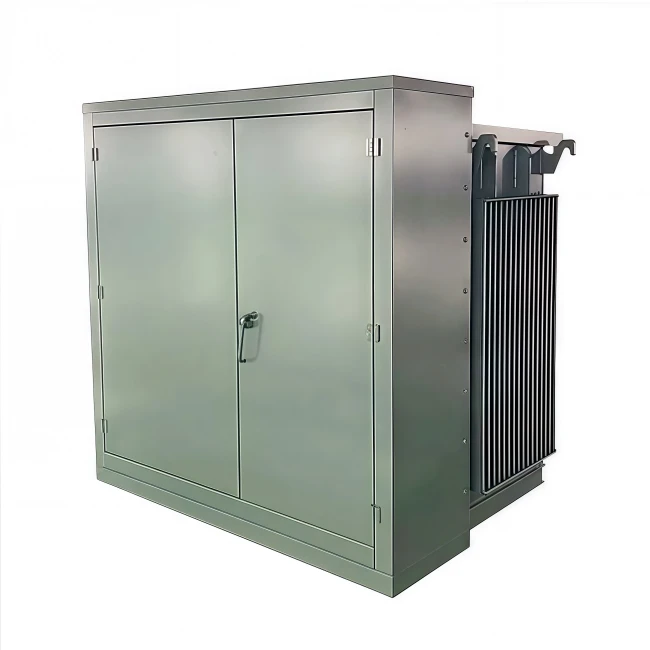
Our Ring Main Three Phase Pad Mounted Transformer also undergoes strict quality control measures to ensure that the dielectric loss is within acceptable limits. We test each transformer to make sure that it meets the industry standards for efficiency and performance.
If you're in the market for a three - phase pad - mounted transformer, it's important to consider the dielectric loss. You want to choose a transformer that is efficient and reliable. Look for a supplier who uses high - quality materials and has a good reputation for testing and quality control.
We're here to help you make the right choice. Whether you need a transformer for a small residential project or a large industrial application, we have the expertise and the products to meet your needs. If you have any questions about dielectric loss or about our three - phase pad - mounted transformers, don't hesitate to reach out. We're always happy to have a chat and discuss your requirements.
In conclusion, dielectric loss is an important aspect of three - phase pad - mounted transformers. It affects the efficiency, reliability, and lifespan of the transformer. By understanding what dielectric loss is and how it can be minimized, you can make a more informed decision when it comes to purchasing a transformer. So, if you're thinking about buying a three - phase pad - mounted transformer, give us a call or drop us an email. We'll be glad to assist you in finding the perfect transformer for your needs.
References:
- Electrical Power Systems textbooks
- Industry standards and guidelines on transformer efficiency and performance