

As a supplier of Oil Immersed Self Cooled Transformers, understanding the gas content in the oil of these transformers is crucial. Oil Immersed Self Cooled Transformers are widely used in power distribution systems due to their efficiency and reliability. The oil in these transformers serves multiple purposes, including insulation and cooling. However, the presence of certain gases in the oil can indicate potential issues within the transformer.
Types of Gases in Transformer Oil
The gases commonly found in the oil of an Oil Immersed Self Cooled Transformer include hydrogen (H₂), methane (CH₄), ethane (C₂H₆), ethylene (C₂H₄), acetylene (C₂H₂), carbon monoxide (CO), and carbon dioxide (CO₂). Each of these gases can be generated under different conditions within the transformer.
Hydrogen is often the first gas to be produced under abnormal conditions. It can be generated due to partial discharges, overheating, or the decomposition of oil and cellulose insulation. Methane, ethane, ethylene, and acetylene are hydrocarbon gases that are typically formed when the oil is subjected to high temperatures. For example, methane is produced at relatively low temperatures, while acetylene is formed at very high temperatures, often indicating severe arcing within the transformer.
Carbon monoxide and carbon dioxide are produced from the decomposition of cellulose insulation. An increase in the levels of these gases can suggest overheating of the insulation, which can lead to insulation degradation and eventually transformer failure.
Significance of Gas Analysis
Gas analysis of the transformer oil is an important diagnostic tool for assessing the condition of the transformer. By monitoring the gas content in the oil over time, we can detect early signs of potential problems and take preventive measures to avoid costly breakdowns.
The ratio of different gases can also provide valuable information about the nature of the fault. For example, the ratio of methane to ethane can indicate the temperature at which the hydrocarbon gases are being produced. A high ratio of methane to ethane suggests a relatively low-temperature fault, while a low ratio may indicate a high-temperature fault.
Monitoring and Detection Methods
There are several methods for monitoring the gas content in the oil of an Oil Immersed Self Cooled Transformer. One common method is dissolved gas analysis (DGA). In DGA, a sample of the transformer oil is taken and analyzed to determine the concentration of different gases. This method can detect very low levels of gases and is considered to be one of the most reliable ways to assess the condition of the transformer.
Another method is online gas monitoring. Online gas monitoring systems continuously measure the gas content in the oil and provide real-time data. This allows for immediate detection of any changes in the gas levels and enables quick response to potential problems.
Impact of Gas Content on Transformer Performance
Excessive gas content in the oil can have a significant impact on the performance of the transformer. High levels of gases can reduce the dielectric strength of the oil, which can lead to electrical breakdown and short circuits. In addition, the presence of certain gases can cause corrosion and damage to the internal components of the transformer.
For example, acetylene is a highly reactive gas that can cause damage to the insulation and other components of the transformer. If the acetylene levels in the oil are too high, it may indicate a serious problem that requires immediate attention.
Our Products and Gas Content Management
As a supplier of Oil Immersed Self Cooled Transformers, we are committed to providing high-quality products that are designed to minimize the gas content in the oil. Our 10kv Oil Immersed Transformer is engineered with advanced insulation materials and cooling systems to ensure optimal performance and reliability. We also conduct regular gas analysis on our transformers to ensure that the gas content is within acceptable limits.
In addition, our High Performance Oil Sealed Transformer is designed with a hermetically sealed tank to prevent the ingress of moisture and oxygen, which can contribute to the formation of gases in the oil. This helps to maintain the integrity of the insulation and reduce the risk of gas-related problems.
Our Fully Sealed Oil Immersed Distribution Transformer is another product that is designed to minimize the gas content in the oil. The fully sealed design prevents the oil from coming into contact with the atmosphere, which reduces the risk of oxidation and the formation of gases.
Conclusion
Understanding the gas content in the oil of an Oil Immersed Self Cooled Transformer is essential for ensuring the reliable operation of the transformer. By monitoring the gas levels and taking appropriate preventive measures, we can detect and address potential problems before they cause significant damage.

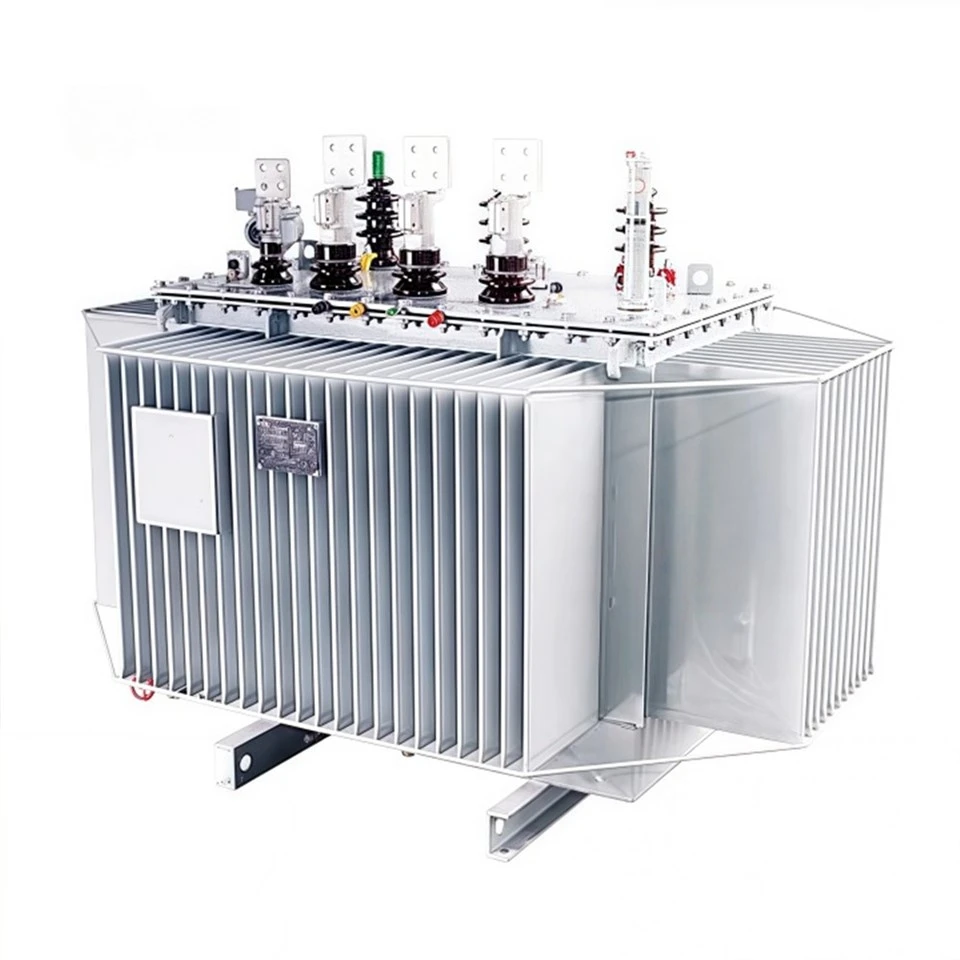
As a leading supplier of Oil Immersed Self Cooled Transformers, we have the expertise and experience to provide high-quality products that are designed to minimize the gas content in the oil. If you are interested in learning more about our products or have any questions about gas content management in transformers, please feel free to contact us for a detailed discussion and potential procurement.
References
- IEEE Guide for the Interpretation of Gases Generated in Oil-Immersed Transformers (IEEE C57.104)
- IEC 60599: Mineral oil-impregnated electrical equipment in service - Guide to the interpretation of dissolved and free gases analysis