

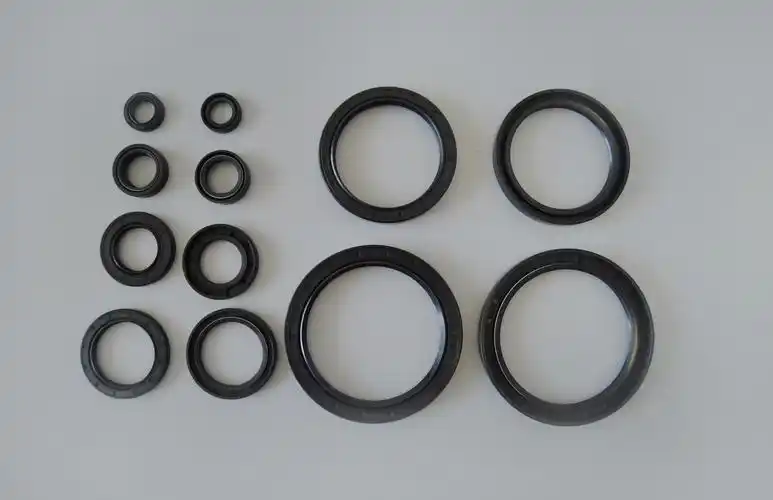
A single transformer can contain anywhere from dozens to over a hundred rubber seals. While their cost is negligible relative to the total price of the unit, they serve as the critical guardians at every flange and bushing interface of an oil-immersed transformer. If a seal fails, the consequences can range from oil leakage-which contaminates the site-to the ingress of moisture, which compromises insulation, potentially triggering partial discharge, electrical breakdown, and unplanned outages. In many cases, on-site oil leaks are not merely the result of poor-quality seals; rather, they often stem from improper material selection, rough installation practices, or components remaining in service well beyond their intended lifespan. Let's take a closer look at this issue.
It's Not About the Price; It's About the Right Fit
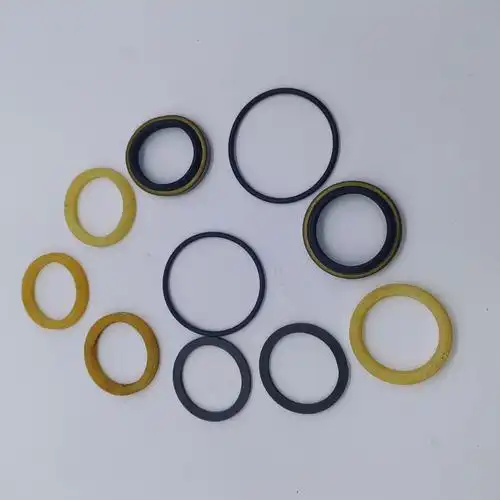
Nitrile Butadiene Rubber
Most oil-immersed transformers use mineral insulating oil, for which nitrile rubber (NBR)-typically with a Shore A hardness of 70–80-is the standard choice, offering a balance between elasticity and resistance to deformation. However, NBR has a drawback: its elasticity tends to degrade over time. After several years of operation, it often hardens and suffers from significant permanent compression set-a common cause of leaks in aging transformers.
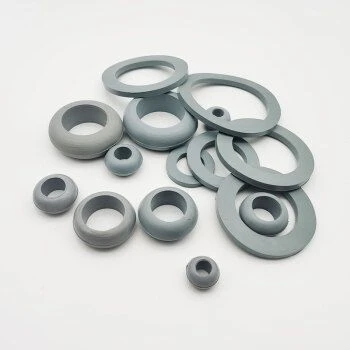
Acrylate Rubber
In environments characterized by high operating temperatures or significant load fluctuations, upgrading to acrylate rubber (ACM) is advisable, as it retains its elasticity in hot oil far better than NBR. For hermetically sealed (fully enclosed) oil-immersed transformers, there is no margin for "topping up" the oil should a seal fail; therefore, the permanent compression set rate must be a strict, non-negotiable criterion during the selection process.
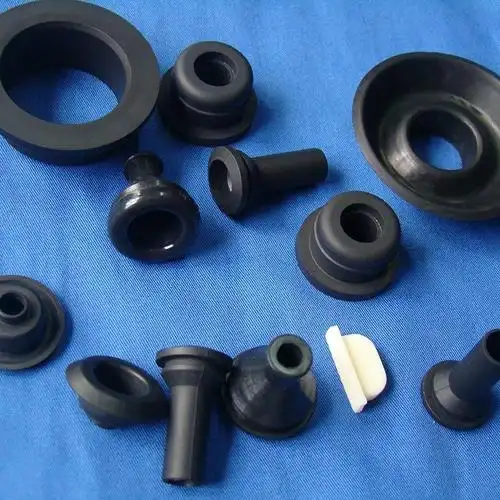
Special Notice
Natural esters differ in chemical composition from mineral oils. Chloroprene rubber (neoprene) is strictly unsuitable for use with them; instead, fluorosilicone rubber (FVMQ) or hydrogenated nitrile butadiene rubber (HNBR) should be prioritized. Relying on conventional material selection practices-originally established for mineral oil-when specifying seals for hermetically sealed, oil-immersed distribution transformers can easily create hidden risks.
"Brute Force" During Installation Can Be More Damaging Than Poor-Quality Gaskets
Bolts tightened too aggressively
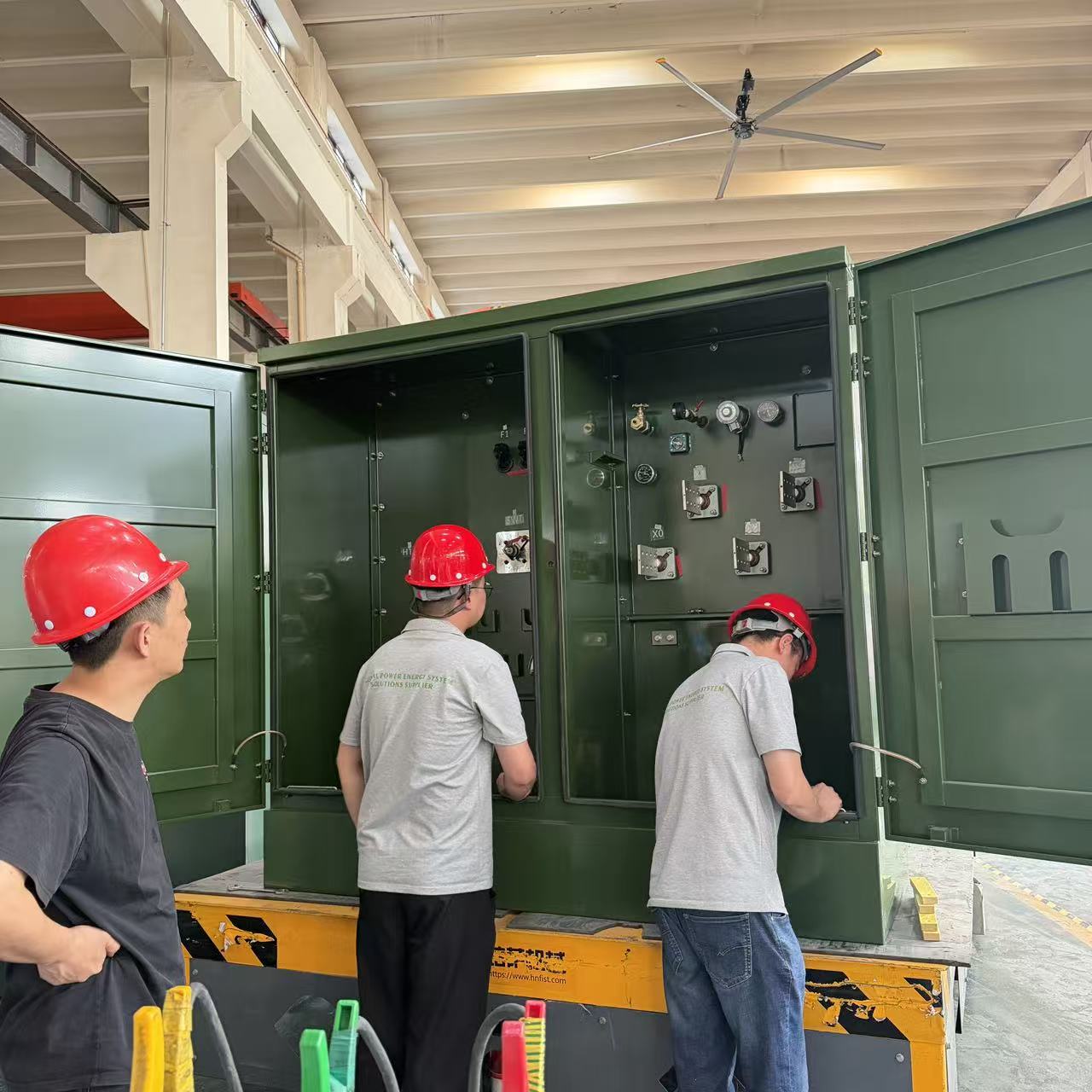
Ideally, a gasket should be compressed to about one-third of its original thickness. Over-compression accelerates stress relaxation in the rubber; while it might not leak immediately after installation, seepage often begins after a few months of operation. The correct approach is to tighten bolts gradually and evenly, following a diagonal pattern-never tighten a single bolt all the way down at once.
Flange surfaces not properly cleaned
Residual bits of old gaskets, flakes of paint, rust, or even a tiny grain of sand trapped on the sealing surface can create a microscopic gap through which oil will eventually seep. Taking two minutes to wipe the flange surfaces clean with a cloth and checking for scratches can save a great deal of trouble later on.
Avoid excessive inventory-rubber has a "shelf life."
Inventory Cycle
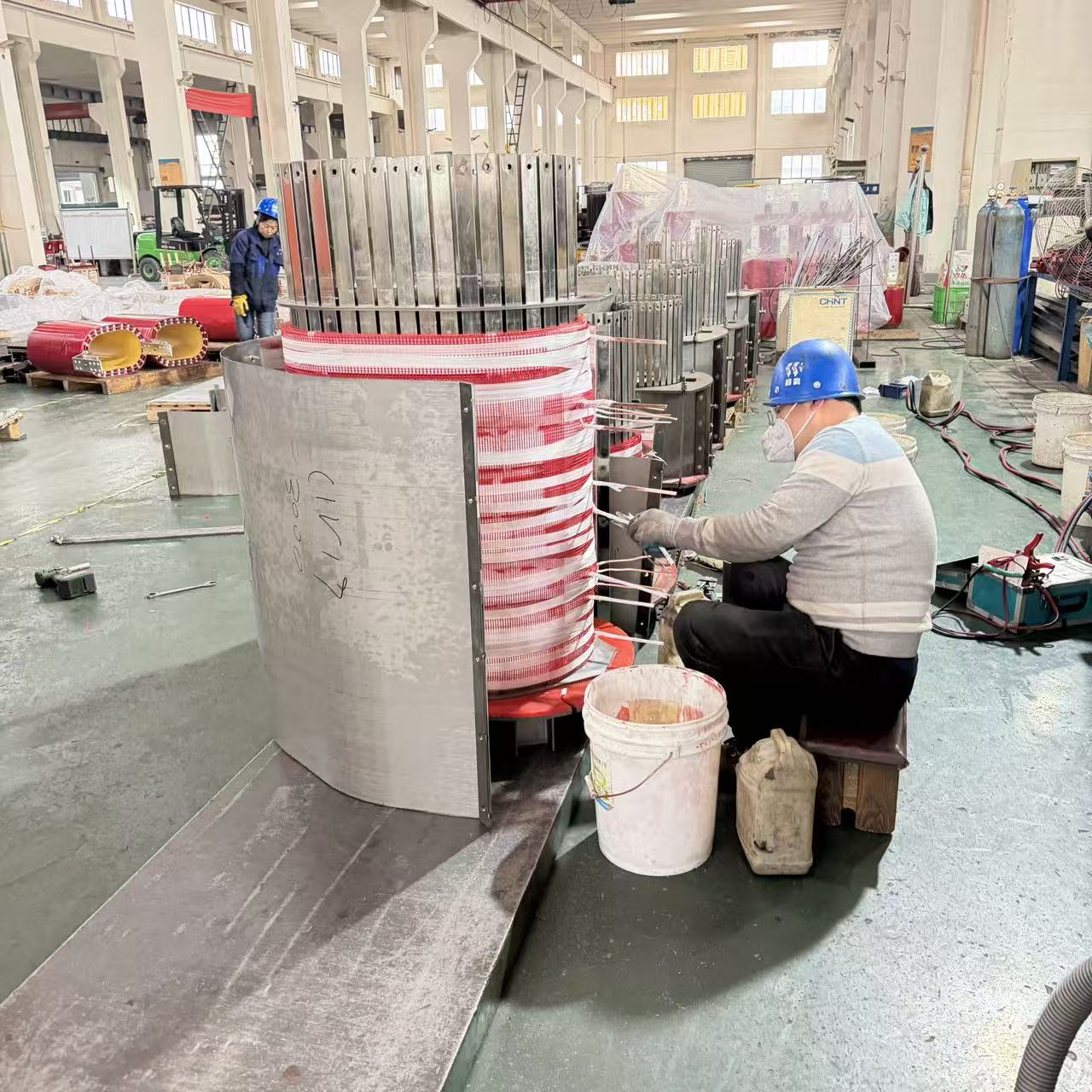
For nitrile rubber seals, it is recommended that the storage period-under conditions of constant temperature and protection from light-does not exceed two years. If rubber rings are left near a window and exposed to sunlight, you can actually see the edges crack.

Don't Reuse
Never reuse old, removed seals. Once rubber has been compressed and taken a permanent "set," it loses its elasticity. It might appear to form a seal upon reinstallation, but as soon as the operating temperature rises, leaks are inevitable.

One-stop Transformer Manufacturing in China
The reliability of a transformer isn't determined solely by its windings and core-every single detail matters.
VKE has grown to an annual production capacity of 6,000 MVA. Our product range includes oil-immersed / dry-type transformers and prefabricated substations. We export to markets across the United States, the Middle East, and Africa.