

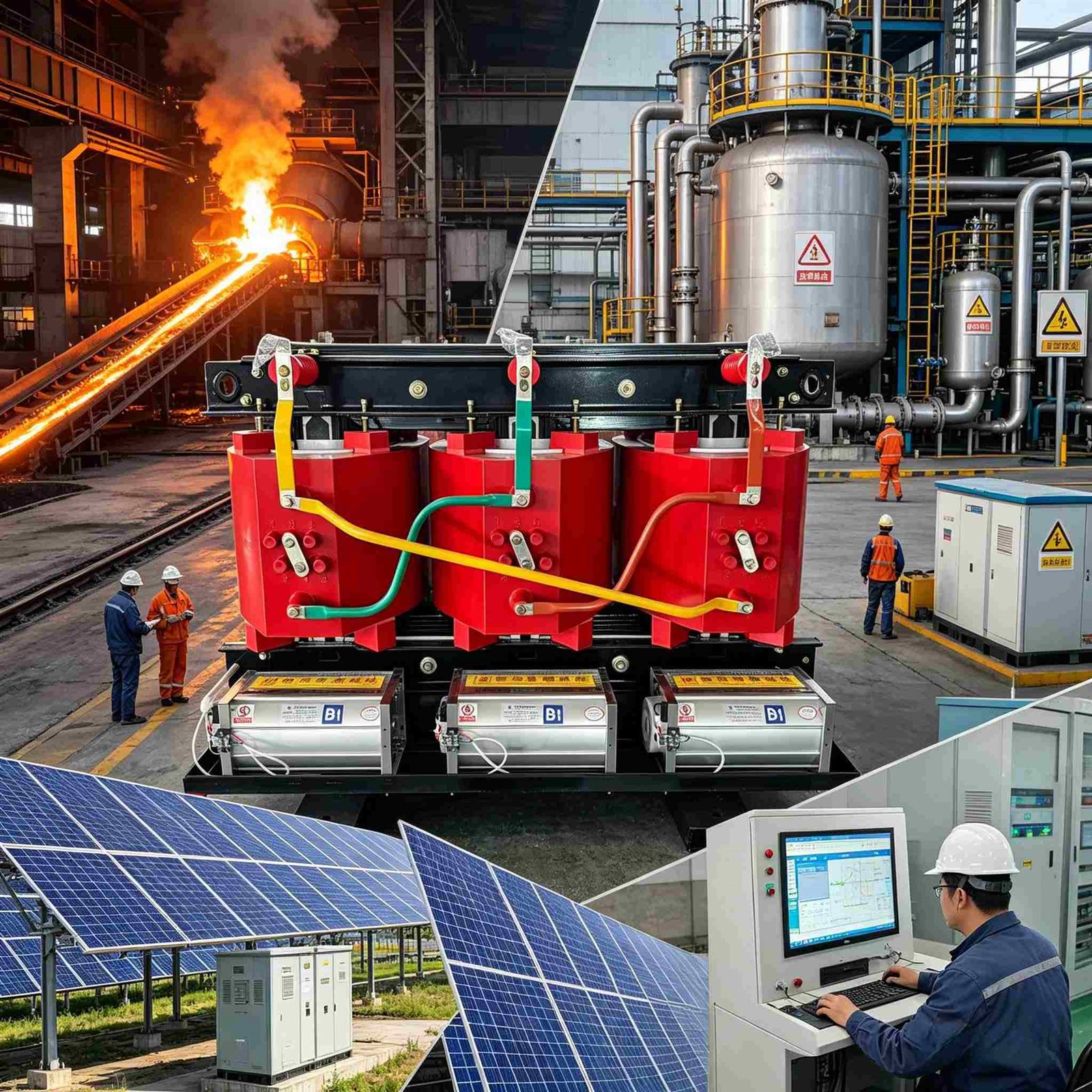
As core pivotal equipment in the power transmission and distribution system, transformers play a decisive role in ensuring stable power supply, safe equipment operation and economical power consumption. The rational selection of transformer capacity is the key foundation to standardize power system operation and reduce potential operational risks. Professional power technicians have sorted out standardized technical methods for judging and selecting transformer capacity to guide scientific equipment configuration and daily operation and maintenance.
The determination of reasonable transformer capacity adopts a comprehensive verification mechanism combining on-site conditions and equipment parameters. The whole selection process starts with a thorough field investigation, covering the power supply voltage parameters, users' actual power load and on-site environmental conditions. Subsequently, technicians need to check all technical data marked on the transformer nameplate item by item. The selection and verification work is mainly carried out from four core dimensions: transformer capacity, working voltage, operating current and environmental adaptability.
Among all indicators, capacity selection serves as the core link of transformer configuration. The specific capacity shall be comprehensively determined based on the total capacity of users' electrical equipment, the characteristics of power load and the actual load duration. This targeted selection method effectively avoids configuration problems such as mismatched, excessive or insufficient transformer capacity, and realizes precise matching between equipment performance and actual power demand.
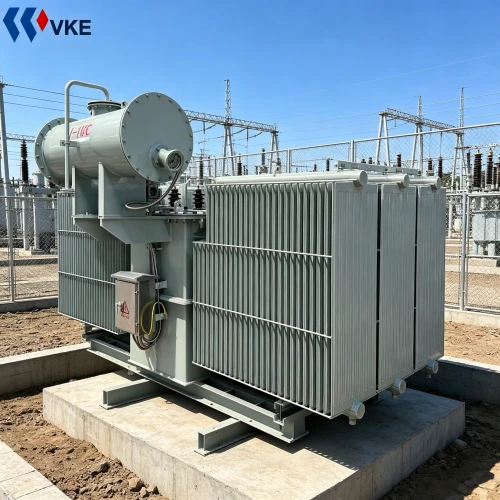
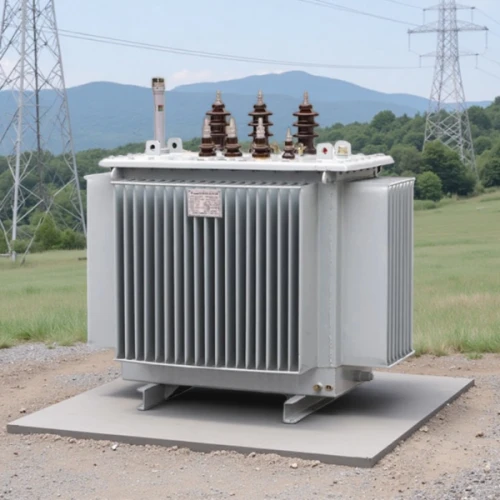
The industry has formulated clear load operation standards and equipment replacement specifications for transformers. Under normal operating conditions, the optimal power load of a transformer is controlled within 75% to 90% of its rated capacity, which enables the equipment to maintain high operating efficiency and extend service life with optimal economic benefits. In terms of abnormal operation judgment, if the actual long-term operating load of the transformer is lower than 50% of the rated capacity, the equipment is in an idle and low-efficiency state, resulting in waste of power resources and increased operation and maintenance costs, and shall be replaced with a smaller-capacity transformer in a timely manner. In contrast, once the actual power load exceeds the transformer's rated capacity, the equipment will operate under overload conditions for a long time, which may easily cause equipment overheating, insulation aging, tripping failures and even safety accidents. In this case, the transformer must be immediately replaced with a larger-capacity model to eliminate potential safety hazards.
In addition to capacity matching, the scientific selection of voltage and current parameters is also essential for stable transformer operation. For voltage configuration, the primary coil voltage of the transformer shall match the grid power supply standard, while the secondary coil voltage shall strictly conform to the rated voltage of the user's electrical equipment. Low-voltage three-phase four-wire power supply is the preferred configuration in the industry, which can simultaneously meet the power demand of industrial power equipment and daily lighting, featuring strong adaptability and wide application range.


Special attention shall be paid to the motor starting load demand in current parameter selection. It is a key technical fact that the starting current of a motor is 4 to 7 times its normal operating current, forming a typical impact load. Therefore, sufficient margin must be reserved in the selection of transformer current parameters to withstand the instantaneous high current generated during motor starting. This configuration standard can effectively prevent motor starting failure and transformer overload tripping faults, ensuring the stable and coordinated operation of the entire electromechanical power system.
Power industry experts emphasized that scientific selection of transformer capacity and electrical parameters is the prerequisite for safe, efficient and economical operation of the power system. Abiding by relevant selection specifications and optimizing mismatched transformer equipment can effectively reduce power consumption and operation costs, and eliminate power safety risks from the source. In the future, the power operation and maintenance industry will further refine equipment selection standards to promote refined and standardized development of power equipment configuration.
