

Hey there! As a supplier of Oil Immersed Self Cooled Transformers, I've seen firsthand how crucial it is to understand the indicators for judging the oil quality of these transformers. In this blog, I'll share some key points that can help you assess the oil in your transformers.
Why Oil Quality Matters
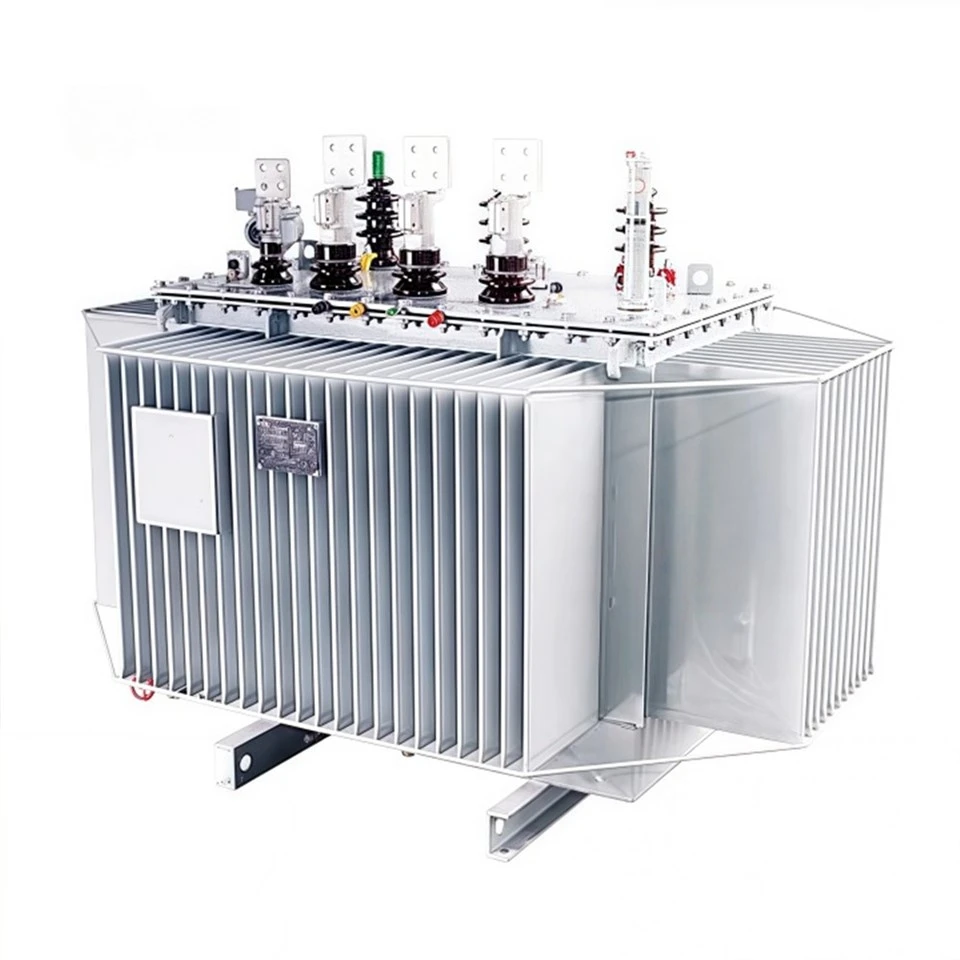
The oil in an Oil Immersed Self Cooled Transformer serves multiple important functions. It acts as an insulator, preventing electrical breakdown between the transformer's components. It also helps in cooling the transformer by dissipating heat generated during its operation. Poor - quality oil can lead to reduced insulation performance, overheating, and ultimately, transformer failure. So, keeping an eye on the oil quality is essential for the reliable and long - term operation of your transformer.
Visual Inspection
One of the simplest ways to start assessing the oil quality is through a visual inspection. You can take a sample of the oil and look at it in a clear container.
- Color: Fresh transformer oil is usually clear and pale yellow. If the oil has turned dark brown or black, it could be a sign of oxidation or the presence of contaminants. Oxidation occurs when the oil reacts with oxygen in the air, and contaminants can come from various sources like dust, moisture, or degradation products.
- Clarity: The oil should be clear. If you notice any cloudiness, sediment, or floating particles, it indicates that there are impurities in the oil. Sediment can accumulate over time and block the cooling channels in the transformer, affecting its cooling efficiency.
Moisture Content
Moisture is one of the biggest enemies of transformer oil. Even a small amount of moisture can significantly reduce the dielectric strength of the oil, which is its ability to withstand electrical stress without breaking down.
- Measurement: There are several methods to measure the moisture content in transformer oil. One common way is to use a moisture meter. The acceptable moisture level in transformer oil is typically very low, usually less than 20 parts per million (ppm) for new oil. As the moisture content increases, the risk of electrical breakdown also goes up.
- Sources of Moisture: Moisture can enter the transformer through leaks in the tank, during maintenance operations, or from the atmosphere if the transformer's sealing is not proper. For example, if there is a small crack in the transformer tank, water vapor from the air can seep in and contaminate the oil.
Dielectric Strength
The dielectric strength of the oil is a measure of its ability to resist electrical breakdown. It is determined by applying a high - voltage test to a sample of the oil.
- Testing: A dielectric strength tester is used to apply a gradually increasing voltage across two electrodes immersed in the oil sample. The voltage at which the oil breaks down and allows an electrical current to flow is recorded as the dielectric strength. For new transformer oil, the dielectric strength should be around 30 - 40 kilovolts (kV). If the measured dielectric strength is significantly lower than this value, it indicates that the oil's insulating properties have been compromised.
- Factors Affecting Dielectric Strength: As mentioned earlier, moisture and contaminants can reduce the dielectric strength. Additionally, high temperatures and aging of the oil can also have a negative impact. Over time, the chemical structure of the oil changes, and its ability to withstand electrical stress decreases.
Dissolved Gas Analysis (DGA)
Dissolved Gas Analysis is a very powerful tool for assessing the condition of transformer oil. When there are abnormal conditions inside the transformer, such as overheating or partial discharges, certain gases are produced and dissolve in the oil.
- Gas Types and Their Significance:
- Methane (CH₄): An increase in methane levels can indicate overheating of the oil or the presence of an over - excited core.
- Ethane (C₂H₆): Higher levels of ethane are often associated with thermal decomposition of the oil at relatively low temperatures.
- Ethylene (C₂H₄): Ethylene is a sign of high - temperature overheating, usually above 300°C.
- Acetylene (C₂H₂): The presence of acetylene is a serious indication of arcing or sparking inside the transformer, which can lead to rapid deterioration of the oil and other components.
- Analysis Process: A sample of the oil is taken, and the gases dissolved in it are extracted and analyzed using gas chromatography. By comparing the concentrations of different gases and their ratios, experts can diagnose the type and severity of the problem inside the transformer.
Interfacial Tension
Interfacial tension is a measure of the force at the interface between the transformer oil and water. It reflects the oil's ability to separate from water and other polar contaminants.
- Measurement: A tensiometer is used to measure the interfacial tension. For new transformer oil, the interfacial tension is typically around 40 - 50 dynes/cm. As the oil ages or becomes contaminated, the interfacial tension decreases.
- Importance: A low interfacial tension means that the oil has a reduced ability to separate from water and other contaminants. This can lead to the formation of emulsions, which are mixtures of oil and water that are difficult to separate. Emulsions can cause problems with the cooling and insulating properties of the oil.
Acid Value
The acid value of the oil indicates the amount of acidic substances present in it. Acidic substances can be formed during the oxidation process of the oil.

- Measurement: The acid value is determined by titrating a sample of the oil with a standard alkaline solution. The result is expressed in milligrams of potassium hydroxide (KOH) required to neutralize the acids in one gram of the oil. For new oil, the acid value should be very low, usually less than 0.03 mg KOH/g.
- Effect on Transformer: High acid values can cause corrosion of the transformer's metal components, such as the tank and the windings. Corrosion can weaken the structural integrity of the transformer and also affect its electrical performance.
Our Product Range
We offer a wide range of Oil Immersed Self Cooled Transformers, including the 1000 Kva Oil Filled Transformer, High Performance Oil Sealed Transformer, and Hermetically Sealed Oil Filled Transformer. Our transformers are designed with high - quality oil and advanced technology to ensure reliable operation.
Contact for Procurement
If you're in the market for a new Oil Immersed Self Cooled Transformer or need more information about oil quality assessment, don't hesitate to reach out. We're here to help you make the right choice for your electrical needs. Whether you're a small business or a large industrial facility, we have the expertise and products to meet your requirements.
References
- Electrical Power Transformer Engineering: Design and Practice by Turan Gönen
- Transformer Maintenance Guide by the Institute of Electrical and Electronics Engineers (IEEE)