

Hey there! As a supplier of Long Life Sealed Distribution Transformers, I've seen firsthand how temperature can have a huge impact on these bad boys. Let's dive right in and explore what's going on when it comes to temperature and the performance of our transformers.
How Temperature Affects the Insulation
First off, let's talk about insulation. The insulation in our Long Life Sealed Distribution Transformers is super important. It keeps the electrical currents where they're supposed to be and prevents any short - circuits or other electrical mishaps. But temperature can really mess with it.
When the temperature goes up, the insulation material starts to break down faster. You see, high temperatures cause the molecules in the insulation to vibrate more vigorously. Over time, this constant vibration weakens the chemical bonds in the insulation. It's like a rubber band that's been stretched too many times. Eventually, it loses its elasticity and starts to fall apart.
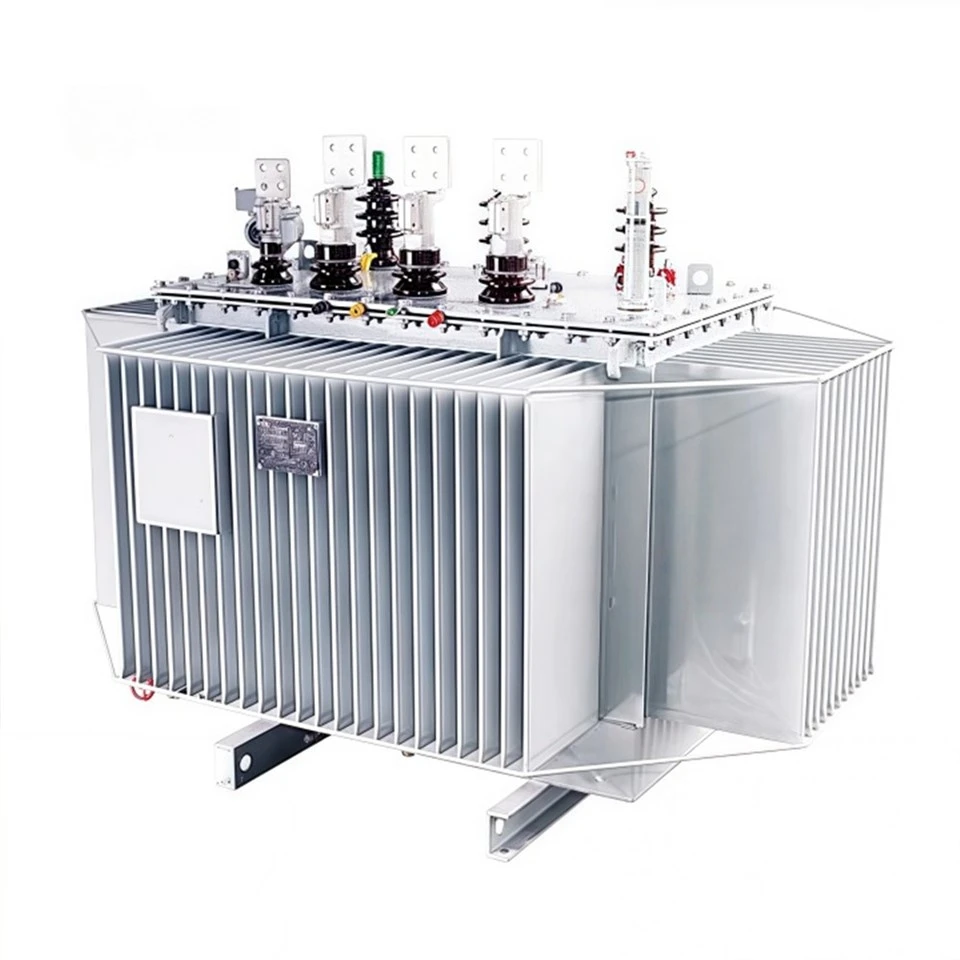

In a transformer, as the insulation breaks down, its dielectric strength decreases. That means it's less able to withstand high voltages without breaking down itself. This can lead to partial discharges within the transformer. These partial discharges are like little electrical sparks that can further damage the insulation, creating a vicious cycle.
On the other hand, low temperatures can also be a problem. At extremely low temperatures, the insulation material can become brittle. It's like trying to bend a piece of cold plastic. It might crack easily. Cracks in the insulation can expose the electrical conductors, increasing the risk of short - circuits and other electrical failures.
Impact on the Windings
The windings in our transformers are another area where temperature plays a crucial role. The windings are made of copper or aluminum conductors. When the temperature rises, the resistance of these conductors increases.
According to Ohm's law (V = IR), if the resistance (R) goes up and the voltage (V) remains constant, the current (I) will decrease. But in a transformer, we usually want a stable current flow. So, to maintain the same current, more power is required. This means that the transformer has to work harder, which in turn generates more heat. It's a self - perpetuating problem.
The increased heat can cause the windings to expand. If this expansion is not properly accounted for, it can lead to mechanical stress on the windings. Over time, this mechanical stress can cause the windings to loosen or even break. Broken windings are a major issue as they can disrupt the electrical circuit in the transformer and render it useless.
At low temperatures, the conductors contract. Similar to the insulation, this contraction can cause mechanical stress. If the contraction is too severe, it can cause the connections between the windings to become loose. Loose connections can lead to arcing, which is a dangerous electrical phenomenon that can damage the transformer and pose a safety risk.
Influence on the Cooling System
Our Long Life Sealed Distribution Transformers are equipped with cooling systems to keep the temperature in check. But temperature can also affect the performance of these cooling systems.
In high - temperature environments, the cooling system has to work overtime. For example, if the transformer uses an oil - cooling system, the oil has to absorb more heat. As the oil gets hotter, its viscosity decreases. This can affect the flow of the oil through the cooling channels. If the oil doesn't flow properly, it won't be able to carry the heat away from the transformer as effectively.
The cooling fans in the transformer also have a harder time in high - temperature conditions. The air around the transformer is already hot, so it's less effective at absorbing the heat from the fans. This means that the fans have to run at higher speeds for longer periods, which can increase their wear and tear.
In cold temperatures, the oil in the cooling system can become more viscous. This can make it difficult for the oil to flow through the cooling channels. If the oil can't flow, it can't transfer the heat, and the transformer can overheat. The cooling fans may also have trouble starting up in very cold conditions, which can further compromise the cooling system.
Impact on the Sealing
The sealing of our Long Life Sealed Distribution Transformers is designed to keep out moisture, dust, and other contaminants. But temperature can have an impact on the sealing as well.
High temperatures can cause the sealing materials to expand. If the expansion is not uniform, it can create gaps in the sealing. These gaps can allow moisture and dust to enter the transformer. Moisture is particularly bad as it can reduce the dielectric strength of the insulation and cause corrosion of the internal components.
Low temperatures can cause the sealing materials to contract. Similar to the windings and insulation, this contraction can create stress on the sealing. If the stress is too great, the sealing can crack, again allowing contaminants to enter the transformer.
What Can We Do About It?
As a supplier, we take these temperature - related issues very seriously. We design our High Performance Oil Sealed Transformer with high - quality insulation materials that can withstand a wide range of temperatures. We also use advanced cooling systems that are designed to work efficiently in different temperature conditions.
For example, our 11kv Distribution Transformer is built with special windings that are designed to handle temperature - induced expansion and contraction. We also conduct rigorous testing on our transformers at different temperatures to ensure their reliability.
Our Fully Sealed Oil Immersed Distribution Transformer uses high - quality sealing materials that are resistant to temperature - related stress. We constantly research and develop new materials and technologies to improve the performance of our transformers in different temperature environments.
Conclusion
Temperature has a significant impact on the performance of Long Life Sealed Distribution Transformers. From the insulation and windings to the cooling system and sealing, every aspect of the transformer can be affected by temperature changes. But as a supplier, we're committed to providing high - quality transformers that can withstand these challenges.
If you're in the market for a reliable Long Life Sealed Distribution Transformer, we'd love to talk to you. Whether you're dealing with high - temperature industrial environments or cold outdoor settings, we have the expertise and products to meet your needs. Reach out to us for a consultation and let's discuss how we can help you with your power distribution requirements.
References
- Grover, P. K. (2014). Transformer Engineering: Design, Technology, and Diagnostics. CRC Press.
- Westinghouse Electric Corporation. (1964). Electrical Transmission and Distribution Reference Book. Westinghouse Electric Corporation.