

Power factor, a crucial concept in electrical engineering, measures how effectively electrical power is converted into useful work output. In the context of distribution transformers, power factor improvement can significantly enhance energy efficiency, reduce costs, and extend the lifespan of electrical equipment. As a leading supplier of Long Life Sealed Distribution Transformers, we understand the importance of power factor improvement and how our products can contribute to this goal.
Understanding Power Factor
Before delving into the power factor improvement effect of Long Life Sealed Distribution Transformers, it's essential to understand what power factor is. In an AC electrical system, power can be divided into three types: real power (P), reactive power (Q), and apparent power (S). Real power is the power that actually performs useful work, such as lighting a bulb or running a motor. Reactive power, on the other hand, is the power that oscillates between the source and the load without doing any useful work. It is required to establish and maintain the electromagnetic fields in inductive and capacitive loads. Apparent power is the combination of real power and reactive power.
The power factor (PF) is defined as the ratio of real power to apparent power:
PF = P / S
The power factor ranges from 0 to 1. A power factor of 1 indicates that all the electrical power is being used effectively, while a power factor less than 1 means that some of the power is being wasted as reactive power. Low power factor can lead to several problems, including increased energy consumption, higher electricity bills, and overloading of electrical equipment.
Power Factor Improvement with Long Life Sealed Distribution Transformers
Our Long Life Sealed Distribution Transformers are designed to address the issue of low power factor and improve the overall efficiency of electrical systems. Here are some of the ways in which our transformers can achieve this:
1. Low Losses
Long Life Sealed Distribution Transformers are known for their low losses, both in terms of no - load losses (core losses) and load losses (copper losses). Core losses occur due to the magnetization and demagnetization of the transformer core, while copper losses are caused by the resistance of the transformer windings. By reducing these losses, our transformers can convert more of the input power into useful output power, thereby improving the power factor.
2. High Efficiency Design
The design of our transformers is optimized for high efficiency. We use high - quality materials for the core and windings, such as grain - oriented electrical steel for the core and high - conductivity copper or aluminum for the windings. This ensures that the transformer operates with minimal loss of energy, resulting in a higher power factor.
3. Reactive Power Compensation
Some of our Long Life Sealed Distribution Transformers are equipped with reactive power compensation devices, such as capacitors. Capacitors can supply reactive power to the electrical system, offsetting the reactive power drawn by inductive loads. This helps to reduce the overall reactive power in the system and improve the power factor. For example, in an industrial setting where there are many motors (inductive loads), the addition of capacitors in the transformer can significantly boost the power factor.
4. Sealed Construction
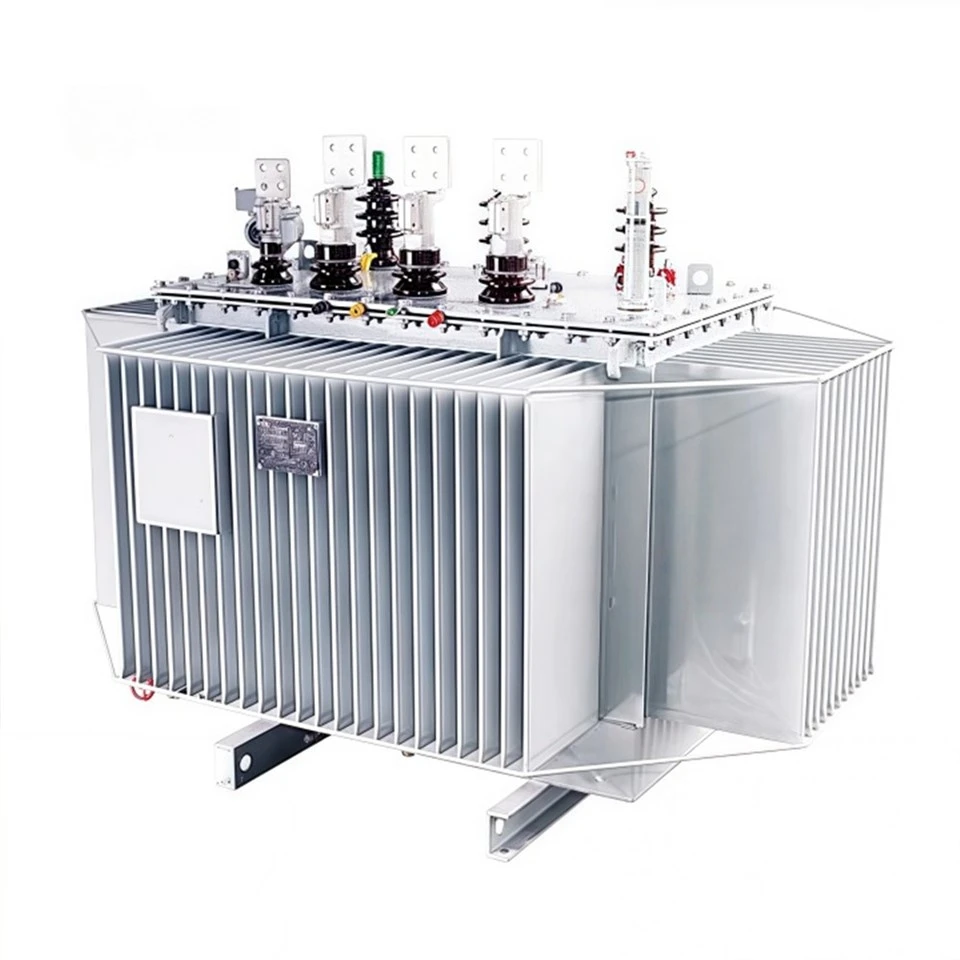
The sealed construction of our distribution transformers provides several benefits for power factor improvement. The sealed design protects the internal components of the transformer from moisture, dust, and other environmental factors, which can degrade the performance of the transformer over time. By maintaining the integrity of the transformer, the sealed construction ensures that it operates at its optimal efficiency, thus contributing to a better power factor.
Benefits of Power Factor Improvement
Improving the power factor with Long Life Sealed Distribution Transformers offers a wide range of benefits for both residential and industrial users:

Reduced Energy Costs
Utilities often charge industrial customers based on their power factor. A low power factor can result in additional charges, as the utility has to supply more apparent power to meet the customer's real power needs. By improving the power factor, customers can reduce these additional charges and lower their overall electricity bills.
Increased Equipment Lifespan
Low power factor can cause overheating in electrical equipment due to the additional current required to supply the reactive power. Overheating can reduce the lifespan of equipment and increase the risk of breakdowns. By improving the power factor, our transformers can help to reduce the current flow in the electrical system, thereby extending the lifespan of connected equipment.
Enhanced System Capacity
A higher power factor means that more real power can be delivered to the load for a given amount of apparent power. This effectively increases the capacity of the electrical system, allowing for the addition of more loads without overloading the system. This is particularly beneficial for industries that are planning to expand their operations.
Comparison with Other Transformer Types
When compared to other types of transformers, such as Oil Immersed Self Cooled Transformer and High Performance Oil Sealed Transformer, our Long Life Sealed Distribution Transformers have some distinct advantages in terms of power factor improvement.
Oil - immersed self - cooled transformers rely on oil for cooling and insulation. While they are commonly used in many applications, they may have higher losses compared to our sealed transformers, which can negatively impact the power factor. High - performance oil - sealed transformers are designed for specific high - demand applications, but their power factor improvement capabilities may not be as optimized as our Long Life Sealed Distribution Transformers, which are specifically engineered for power factor enhancement.
The Fully Sealed Oil Immersed Distribution Transformer shares some similarities with our product in terms of the sealed design. However, our Long Life Sealed Distribution Transformers focus on a more comprehensive approach to power factor improvement, combining low losses, high - efficiency design, and reactive power compensation.
Case Studies
Let's look at some real - world case studies to illustrate the power factor improvement effect of our Long Life Sealed Distribution Transformers.
Case Study 1: A manufacturing plant was experiencing a low power factor of around 0.7, resulting in high electricity bills and equipment overheating. After installing our Long Life Sealed Distribution Transformers with reactive power compensation capacitors, the power factor was improved to 0.95. This led to a significant reduction in electricity costs and a decrease in equipment failures.
Case Study 2: A commercial building had an old transformer that was causing power factor issues. By replacing it with our Long Life Sealed Distribution Transformer, the power factor increased from 0.8 to 0.92. The building's management reported improved energy efficiency and better performance of electrical equipment.
Conclusion
In conclusion, the power factor improvement effect of our Long Life Sealed Distribution Transformers is significant. These transformers can effectively reduce losses, compensate for reactive power, and improve the overall efficiency of electrical systems. The benefits of power factor improvement include reduced energy costs, increased equipment lifespan, and enhanced system capacity.
If you are looking for a reliable solution to improve the power factor of your electrical system, our Long Life Sealed Distribution Transformers are the ideal choice. We invite you to contact us for more information and to discuss your specific requirements. Let's work together to optimize your electrical system and achieve greater energy efficiency.
References
IEEE Std 112-2004, “IEEE Standard Test Procedure for Polyphase Induction Motors and Generators.”
Joint Utility Industry Task Force on Power Quality, “Power Quality Issues in Utility distribution Systems.”