

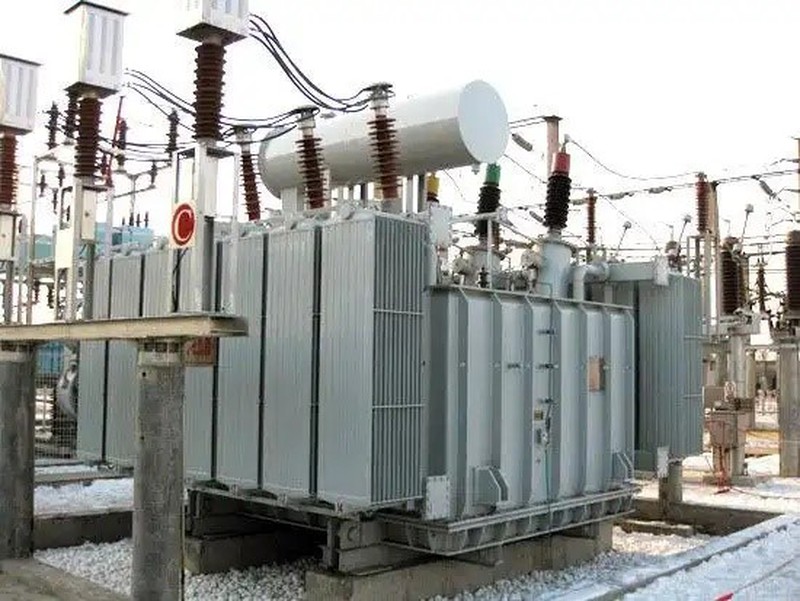
In daily life, you might notice a layer of pebbles at the base of transformers. These stones are usually neatly arranged and cover the area around the transformer foundation. This design is common in substations, on streets, and in residential areas, and has become a standard part of transformer infrastructure. This article will explain the purpose of the stones under a transformer.
Function
Safety
The pebbles themselves possess excellent insulation properties, which prevent leakage currents or moisture from spreading to the ground. This creates the first line of defense for operators and enhances the overall safety of the substation.
Drainage
The loose and porous structure of the pebble layer forms natural drainage channels to allow rainwater to quickly permeate and dissipate. This layer keeps the transformer and its base dry. Fundamentally it prevents metal components from corroding due to long-term dampness, or insulating materials from degrading due to moisture.

Heat Dissipation
The gaps between the pebbles promote natural air convection, which increases the heat dissipation area. These gaps help to carry away some of the heat and prevent excessively high temperatures that could affect the transformer's output efficiency and service life.
Fire Prevention
The pebbles are non-combustible inorganic materials. In the event of transformer oil leakage and ignition, this pebble layer effectively isolates flames, prevents the spread of flammable oil, and localizes the fire.

Maintenance
Installing a layer of pebbles is a long-term maintenance strategy. It physically suppresses weed growth and eliminate the need for frequent trimming or clearing of dead vegetation. More importantly, it prevents the much higher repair costs associated with root damage to underground infrastructure or electrical faults triggered by overgrown plants.
Structure
The placement of pebbles, permeable layers, waterproof layers, and other structures beneath transformers is designed to address multiple operational needs - including safety, drainage, fire prevention, moisture protection, and heat dissipation - all aimed at ensuring the safe and reliable operation of transformers and the entire substation.