

Introduction
A compact substation is a complete distribution system assembled from components such as a transformer, high-voltage (HV) equipment, low-voltage (LV) equipment, bus ducts, and capacitors. It is designed as an easy-to-install, compact, and low-maintenance solution, and is widely used in industrial, commercial, and residential buildings.
01 Structure
In European-style compact substations, the HV compartment is usually composed of HV load switches, HV fuses, and surge arresters. This configuration allows power switching operations and provides overload and short-circuit protection. The LV compartment contains LV air circuit breakers, current transformers, ammeters, voltmeters, and other related devices.
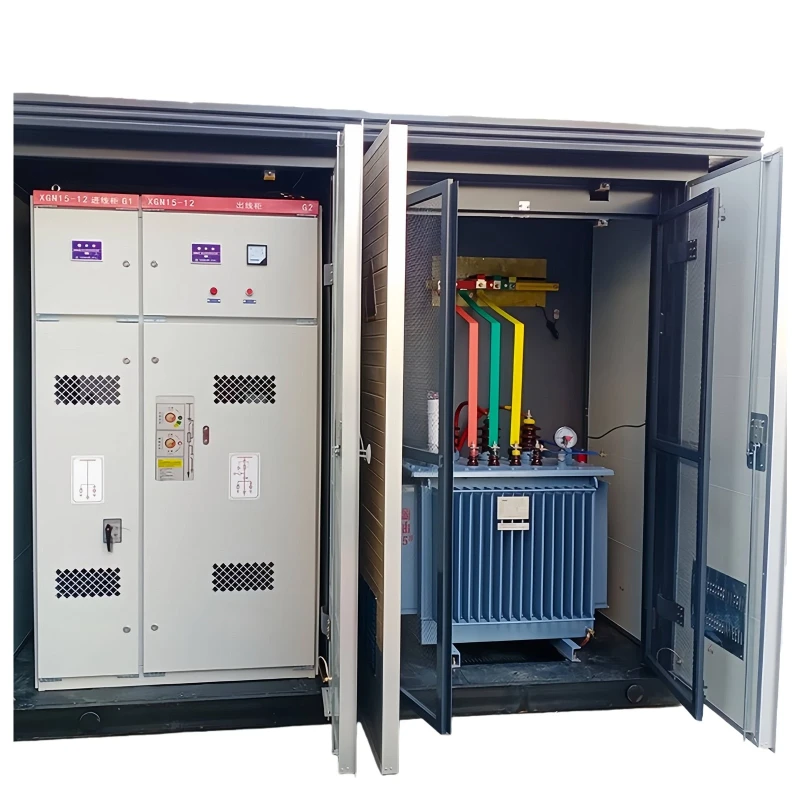

American-style compact combinations feature a two-section structure. The front section is a wiring cabinet, which contains HV and LV terminals, a HV load switch, plug-in fuses, the operating handle for the HV tap changer, an oil level gauge, an oil temperature indicator, and other components. The rear section comprises the oil tank with cooling fins, housing the transformer windings, core, HV load switch, and plug-in fuses. The entire enclosure is designed with a fully sealed structure.
02 Operation and Maintenance
I. Basic Requirements for Compact Substation Operation
The foundation shall be placed on elevated ground, not in low-lying areas to prevent rainwater from entering the enclosure. When pouring the concrete platform, adequate openings shall be reserved to facilitate the laying of incoming and outgoing cables
No unauthorized materials shall be stored around the compact substation, ensuring adequate ventilation and operational access for the electrical equipment. The compact substation primarily relies on natural air circulation for cooling, and the transformer chamber door shall not be obstructed.

The enclosure must be reliably connected to the grounding grid at two points. The grounding and neutral connection may share a common grounding grid. The grounding grid is typically constructed by driving grounding rods at the four corners of the foundation and interconnecting them.
Equipment within the HV switchgear, such as ring main units, transformers, and surge arresters, shall be inspected and maintained regularly. Any defects discovered shall be repaired promptly. Regular insulation preventive tests shall be conducted. When operating, correctly disengage the mechanical interlock and use an insulated operating rod.
Ⅱ. General inspection items
Check whether the foundation is solid, whether openings are properly sealed, and whether there is moisture inside the cabinet;
Verify that the grounding device is complete, connections are secure, and the grounding resistance meets requirements;
Assess outdoor environmental changes and ensure there is no impact on traffic and pedestrian safety;
Inspect the load conditions of each feeder line, checking whether the three-phase load is balanced or if there is overload. Verify the switch position (open/close), accuracy of meter readings, and normal operation of control devices;
Perform internal dust removal once a year. The surfaces of HV and LV compartment cabinets, as well as gas compartments, may be wiped with a damp cloth. Dust inside the transformer chamber should be removed using compressed air blowing or a vacuum cleaner;
Check the operation of the fans. If a fan is not running, adjust the temperature and humidity controller to a setting below the current ambient temperature to manually start the fan for testing;
Maintenance and inspection of HV and LV switch operating mechanisms:
a.Check the pressure gauge;
b.Lubricate mechanical components;
c.Routine tests for cables and surge arresters;

Routine tests for temperature and humidity controllers, smoke alarm devices; tightening and inspection of terminal blocks, standard components;
Due to thermal expansion and contraction, terminal blocks may become loose. During the annual inspection, all terminals in the terminal compartment should be re-tightened;
Note: Before re-tightening, ensure that both the primary AC circuit and the secondary control circuit are de-energized to avoid electric shock!
03 Construction of the Grounding System for Compact Substations
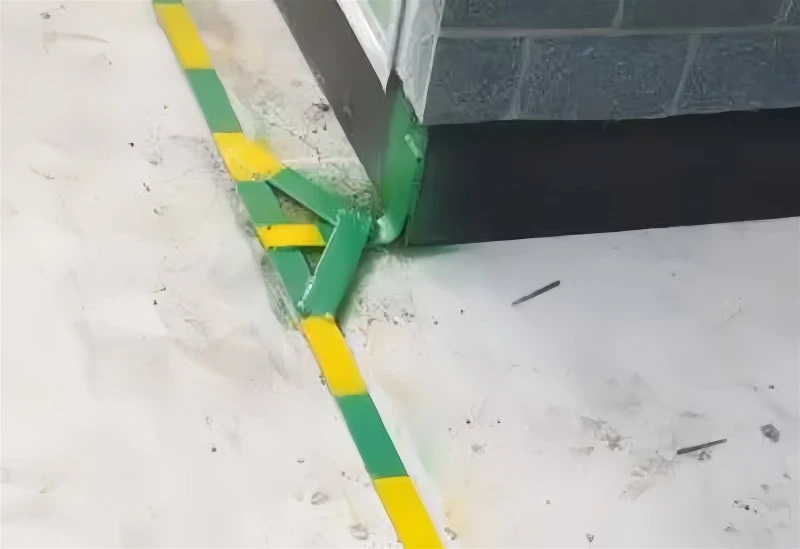
A grounding grid shall be installed around the compact substation and connected to the grounding system of the surrounding structures;
The burial depth and the welding quality of the grounding electrodes shall comply with design specifications and relevant standards;
After installation of the grounding system, grounding resistance testing shall be conducted under clear weather conditions, when soil moisture content meets the specified requirements. If any measured grounding resistance value does not comply with the specified limits, additional grounding electrodes and grounding conductors shall be added as required until the grounding resistance meets the design criteria;
Connections between the grounding system and equipment shall be reliable and neatly executed.
04 Installation and Construction of Outdoor Compact Substations
Wiring Planning
Conduct a site survey to determine a suitable entry point for the power supply line and develop a corresponding power reception construction plan.
Pre-embedding
Carry out foundation construction for the compact substation, and embed the necessary structural components and cable protection steel pipes.
Installation
Once the foundation has reached over 70% of its design strength, inspect the delivered compact substation equipment. Installation may proceed only after confirming that all accessories are complete, the equipment is in good condition, and there is no rust or mechanical damage. During this process, continue to maintain and cure the foundation as required.
Inspection
After completing the installation, the construction unit shall perform self-checks and self-tests to ensure compliance. Then, the project owner authorizes a testing department with qualification to carry out on-site testing of the compact substation.

About VKE Transformer
We hope this introduction provides practical reference for you. At VKE Transformer, we specialize in the design, manufacturing, and application of compact substations, supported by years of hands-on project experience.
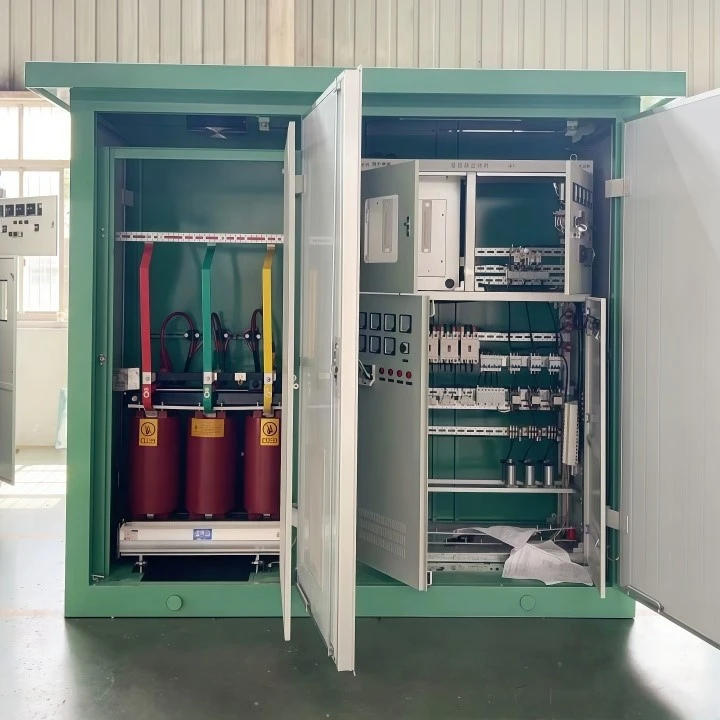
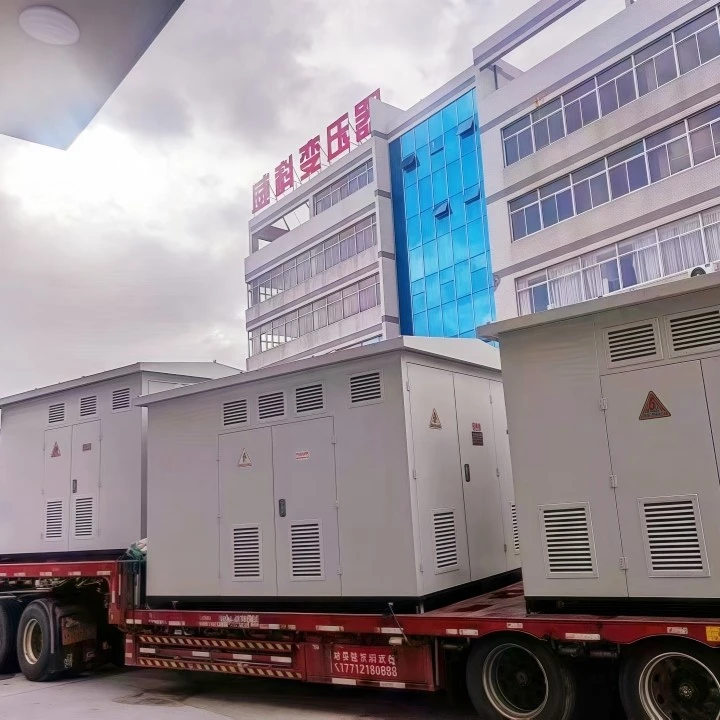
Need a compact substation? We can help. Tell us about your project, and we'll work with you to find the right solution.