

Introduction
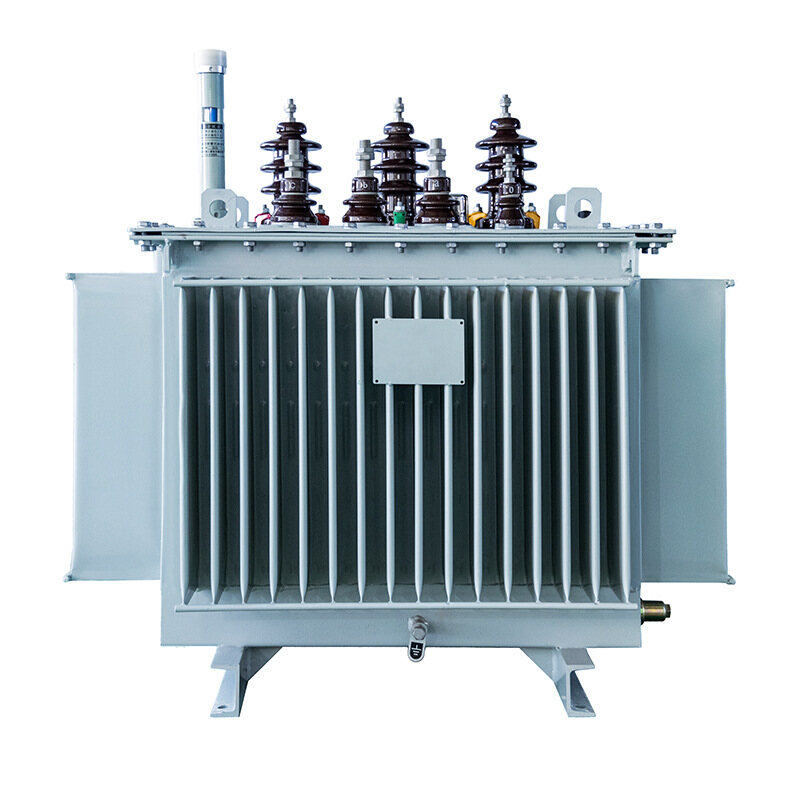
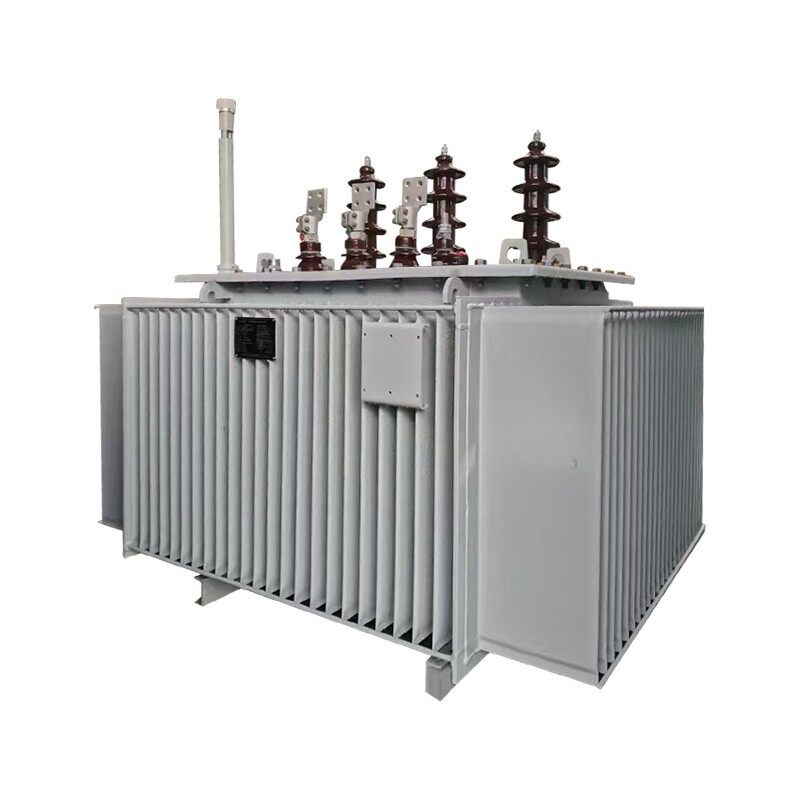
VKE 20kV oil immersed distribution transformer, characterized by improved efficiency and safety, is manufactured with a high-permeability silicon steel core and insulating oil with a high ignition point.
Structural Features
Core is the magnetic circuit part of the transformer. It is constructed by laminated silicon steel sheets to reduce eddy current losses.
Windings are the electrical circuit of the transformer. They are made of insulated copper wires to ensure optimal electrical performance.
Insulating oil plays the role of insulation, heat dissipation and arc suppression. Frequently-used insulating oil includes mineral oil and synthetic oil.
Oil tank houses the insulating oil and the transformer's active part - core and windings. It is made of welded steel plates, providing excellent sealing and mechanical strength.
Tap changers are used to adjust the output voltage of the transformer to accommodate different load requirements.


Production Process
Material Preparation - Prepare raw materials including silicon steel, copper wires, insulating materials, insulating oil, etc. according to design specifications.
Core Construction - Cut, punch and stack the silicon steel sheets to form the transformer's core.
Winding - Wind the copper conductors into the coils (primary/secondary windings) and perform insulation treatment.
Assembly - Assemble the core, windings, oil tank and other components to construct a complete transformer.
Oil Filling - Inject specified quantity of insulating oil into the oil tank and conduct vacuum treatment to remove gases and moisture.
Testing - Carry out tests including electrical performance tests, temperature rise tests, insulation withstand tests, etc. to verify quality compliance.
Packing & Dispatch - Package the qualified transformer, affix certification labels and then hand over to the logistics partner for shipment.
Maintenance
1.Regularly monitor parameters including oil level, oil temperature, oil quality, etc. to ensure proper oil circulation and heat dissipation performance
2.Conduct routine surface cleaning to maintain cleanliness; Clear ventilation openings and cooling fins from obstructions; Remove accumulated dust on bushings and radiators
3.Inspect and tighten all fasteners like bolts, terminals, etc.; Verify bushing connections and grounding integrity
4.Establish operation records and maintenance archives; Track historical data for trend analysis; Implement predictive maintenance based on analysis results


