

Introduction
Transformers are the core of power systems, and their safe operation directly affects the stability and reliability of the entire system. Ensuring their safety is not a complex challenge; the key lies in establishing a systematic and multi-level protection system.
This article will break down the essentials of transformer safety into four core aspects: daily operation monitoring serves as the stethoscope for sensing equipment health; external inspection acts as the amplifier for detecting potential hazards; environmental conditions provide the fundamental basis for stable performance; and periodic checks and maintenance is the guardian for extending their lifespan.
Daily Operation Monitoring
Voltage & Load Monitoring
Operating Voltage: Voltage fluctuation should not exceed the rated value by ±5%.
Load Current: The operating load of the transformer should be controlled within its rated capacity range to avoid long-term overload operation.
Three-phase Balance: Monitor whether the three-phase currents are balanced. The three-phase imbalance rate should generally not exceed 5%, otherwise it may damage the transformer.
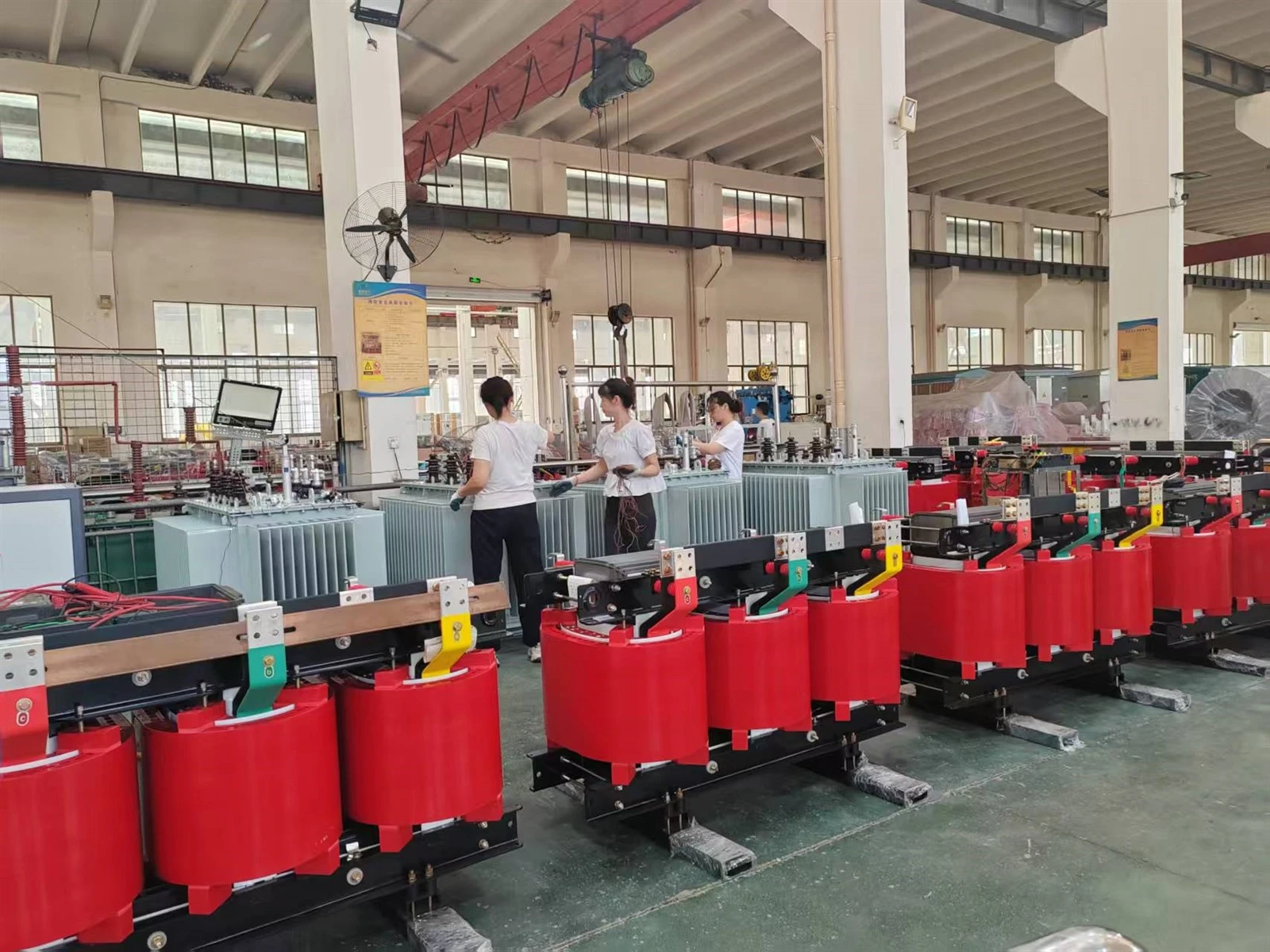
Dry-Type and Oil-Immersed Transformers Undergoing Routine Tests.
Temperature Monitoring
Oil Immersed Transformers
Check the oil temperature: The maximum oil temperature should generally not exceed 85°C.
Verify that the cooling systems (such as oil pumps and fans) are operating normally.
Dry Type Transformers
The winding temperature should generally not exceed 155°C.
If an abnormal temperature rise occurs, immediately inspect for potential faults in the load or the cooling system.
External Inspection
Appearance & Connections
Check the transformer body for any signs of oil seepage or leakage (for oil immersed transformers).
Inspect the terminal connections for overheating, poor contact, or looseness.
Examine the bushings for cracks, damage, or contamination.
Ready-to-ship Oil-immersed Transformers.

Cooling Equipment
Check that the coolers and radiator fins are operating normally.
For oil immersed transformers, verify that the oil level is within the normal range and check for oil degradation or contamination (e.g., discoloration or presence of impurities).
Grounding
Inspect the transformer casing to ensure it is properly grounded.
Verify that the neutral point grounding system is functioning correctly.
Environmental Conditions
Ventilation & Heat Dissipation
Maintain adequate ventilation around the transformer (especially for dry types).
Environmental Cleanliness
Prevent the accumulation of dust and debris. Regularly clean the transformer's surface and surrounding areas.
Grounding
Verify that the transformer casing is properly grounded.
Periodic Checks & Maintenance
Oil Quality Testing (Oil Immersed Transformers)
Regularly take samples to test the breakdown voltage, acidity, moisture content and gas content of the transformer oil.
If oil degradation is detected, replace or filter it promptly.
Insulation Testing
Periodically measure the winding insulation resistance to ensure it meets required performance standards.
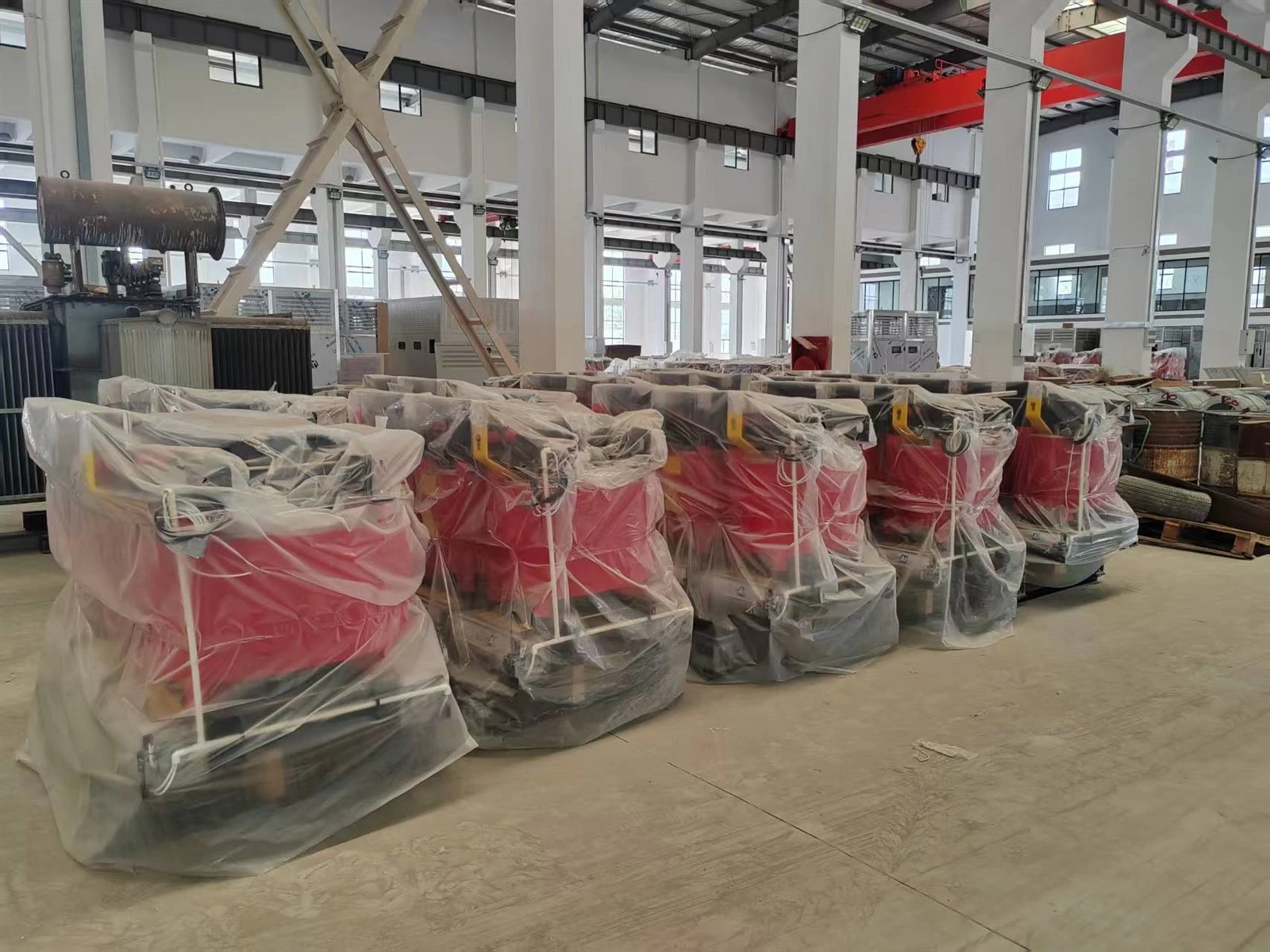
Ready-to-ship Dry-type Transformers.
Grounding Resistance Testing
Check that the grounding resistance of the earthing system complies with specified requirements.
Protection Device Inspection
Routinely inspect protective relays, temperature controllers, and gas relays.
Conclusion
Transformer safety begins with systematic management and is perfected by adherence to detail. No matter which stage you are at in building your system, VKE Transformer is ready to be your most professional support with its profound technical expertise and reliable product solutions.