

Transformers generate a large amount of heat during operation. The core mission of the cooling system is to control the temperatures of key components within safe limits. This is fundamental to ensuring transformers' stable operation and normal service life.
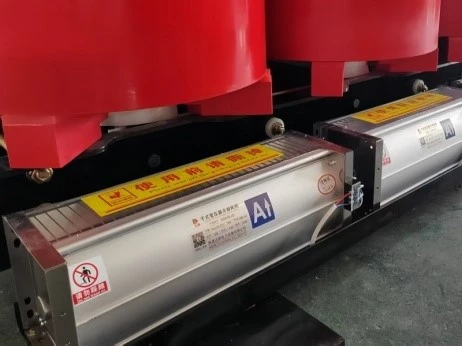
Thermal Management
This primarily depends on the transformer's capacity and loss. For small or low-loss transformers, the relatively minimal heat generated can be dissipated through natural thermal exchange between the tank walls and the surrounding air.
However, as the capacity and voltage level increase, the internal loss and heat generation will sharply rise. At this point, relying solely on natural radiation from the tank surface is no longer sufficient. It becomes necessary to equip the transformer with various cooling units. By combining oil pumps, fans, heat exchangers, and even water-cooling systems, these devices actively and efficiently expel internal heat to the external environment.
Three Major Cooling Methods
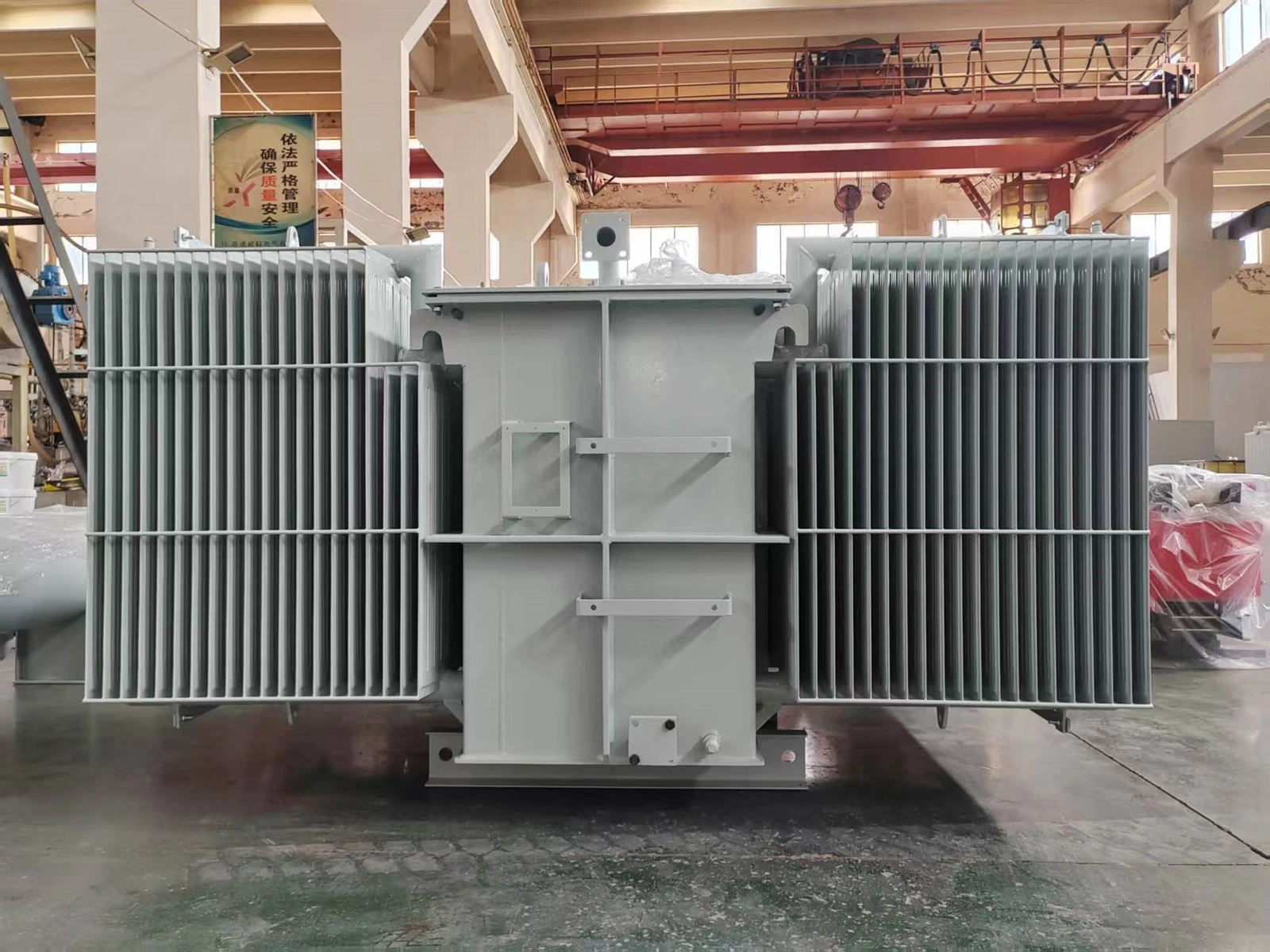
Fin-type Radiator
Fin-type radiators are made of two sheet-shaped thin steel plates that are pressed and welded together, resembling metal scales attached to the outer wall of the oil tank. They enhance the cooling efficiency by significantly increasing the effective heat dissipation area.
Based on installation, they are categorized as:
Fixed type: permanently welded to the oil tank. The connection is stable but lacks flexibility.
Detachable type: connected to the oil tank via flanges. This allows easy replacement and maintenance with greater flexibility.
Forced-Oil Air Coolers
This system uses an oil pump to force transformer oil into circulation while fans generate a powerful airflow across the radiator surfaces to efficiently carry away heat from the oil. It is particularly suitable for high-temperature or high-load environments, and is renowned for its quick response and excellent cooling effect.
Forced-Oil Water Coolers
As a highly efficient specialist, the forced-oil water cooler uses chilled water to absorb heat from the hot transformer oil. Hot oil flows outside the tubes while cooling water circulates inside the tubes in the opposite direction. Through the tube walls, oil and water engage in an efficient heat exchange, and ultimately transfers heat to the water flow to be carried away.
Water Coolers
Working Principle
Hot oil is pumped out of the transformer and sent into the cooler. Inside the cooler, the hot oil flows through a complex path of channels, where it undergoes efficient heat exchange across tubes with the cooling water flowing inside the pipes. After the cooling water absorbs the heat, the cooled oil returns to the transformer for continuous circulation.

Core Design
Double-tube isolation: The cooler adopts a unique tube-in-tube structure, where cooling water flows in the inner tube and transformer oil circulates in the outer passage.
Multiple safety protections: Even if a leak occurs, the built-in diversion structure directs the leaked liquid to an independent collection device.
Sensitive leakage alarm: The system is equipped with a highly accurate magnetic float switch. A tiny amount of liquid is sufficient to trigger the alarm.
Conclusion
The cooling system of a transformer is a sophisticated mechanism. From the basic fin-type radiators, to the highly efficient air-cooling and water-cooling devices, they work tirelessly to safeguard the electrical equipment. Every drop of oil, every breath of air, and every flow of water serves one simple mission: to keep the transformer cool and functioning properly.